Yes, you can carry or send ashes to the UK without permission. If the death occurred overseas, bring the death certificate and certificate of cremation. If you’re flying, tell the airline in advance and follow its rules for cremated remains. Transporting ashes within the UK also involves practical choices, from carrying them yourself to arranging a specialist courier.
It’s understandable to want clear answers before making arrangements, especially when documents, travel rules and costs all need consideration. This article explains what paperwork may be needed, how personal travel compares with courier transport, and what affects standard or urgent delivery costs. You’ll also learn how a specialist service can manage the practical details when you’d rather not transport the ashes yourself.
Key Takeaways
- Compare carrying ashes yourself with arranging a specialist courier, based on the journey and the support you need.
- Understand how secure packaging and careful handling help prepare cremated remains for transport.
- See why standard and urgent delivery costs can differ, and which journey details affect a quote.
- Find out when a domestic delivery service can take care of the transport for you.
Can I take or send cremated remains (ashes) to the UK?
You don’t need permission to bring or send ashes into the UK. The practical steps depend on whether you’re travelling with them or arranging shipment, as well as the airline’s or carrier’s conditions.
Permission to Carry or Send Ashes
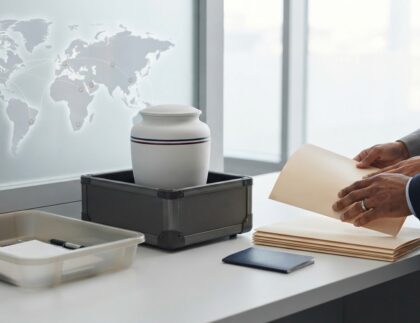
You don’t need permission to carry or send cremated remains to the UK. If you’re bringing ashes after a death overseas, carry the death certificate and certificate of cremation. Check the customs requirements for your route before travelling. Keep these documents accessible during the journey, rather than packing them separately from the urn.
For travel between England, Scotland, Wales and Northern Ireland, the key consideration is the carrier’s policy. The entry documents described here apply when bringing ashes into the UK from abroad.
Airline Policies for Carrying Ashes
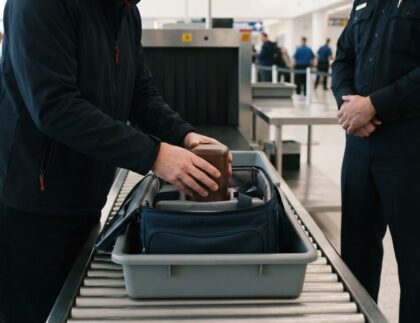
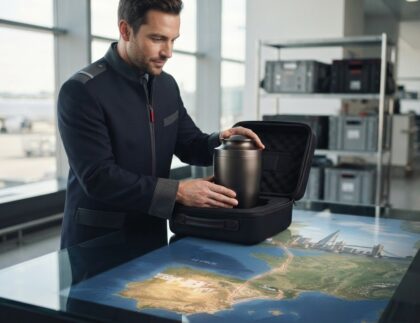
Ashes can usually travel by plane in hand luggage or hold luggage, but each airline sets its own conditions. Tell the airline in advance and read its rules for cremated remains before travelling. Some airlines allow securely packaged ashes in addition to your hand-luggage allowance, but don’t assume this applies to every route or booking.
Choose a container and outer packaging that meet the airline’s requirements. If you plan to take an urn on board, confirm how it must be packed and presented for screening. If the airline refuses the container or its packaging, it may not accept the ashes for that flight.
Transport Risks and Carrier Refusals
The main practical risk is arriving at check-in or the port with packaging or documents that don’t meet the carrier’s conditions. A refusal can disrupt your journey, so confirm the airline’s requirements before departure and keep the certificates with you. If ashes are being sent separately, confirm that the carrier accepts them and follow its packaging instructions.
If your journey involves a connection or onward travel, allow time to resolve carrier requirements before setting off. Clear documents, secure packaging and advance communication can help reduce avoidable delays.
Specialist courier services for cremated remains
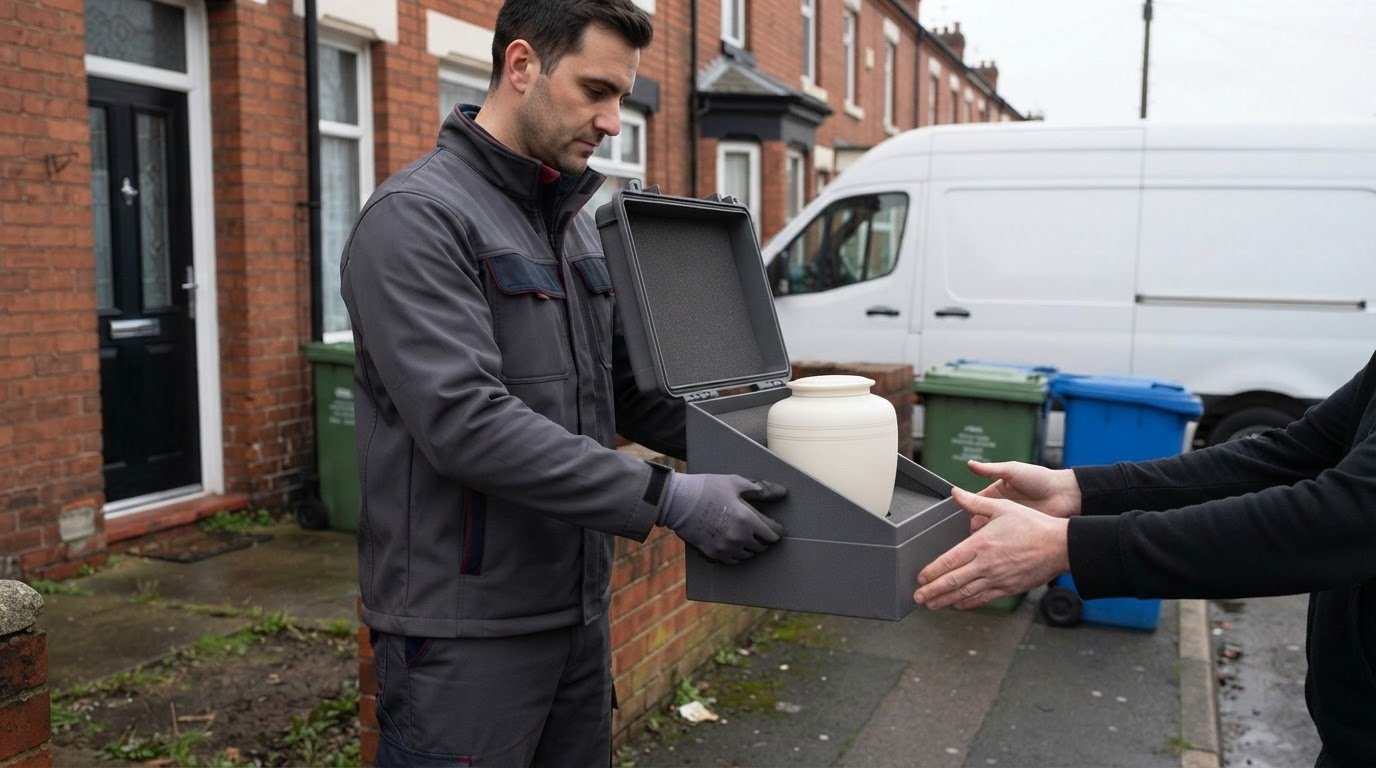
A specialist courier can coordinate the collection and delivery of cremated remains, planning handling and paperwork around the journey. The collection point, destination and packaging all shape the arrangements.
Collection and Delivery Coverage
For a UK journey, collection and delivery arrangements depend on the addresses and access at each end. Provide the collection point, destination, preferred timing and details of the urn or container. This helps establish a clear handover plan, whether the remains are moving between homes, funeral directors or another agreed address.
Keep the cremation certificate available and state whether it needs to travel with the urn. A certificate confirms the cremation, while a death certificate records the death; they are separate documents. For international journeys, document requirements depend on the destination country.
Packaging for Mailing Ashes
Postal options for cremated remains can depend on the service and destination, so check whether the chosen route accepts them. A specialist transport arrangement is different from posting a parcel. The urn or container should hold only the deceased’s remains and be securely sealed.
Use a non-metallic or otherwise approved container if screening requirements call for one. Secure outer packaging helps protect the container during handling. A professional packaging service can prepare the consignment for transport, including suitable containment and document placement.
Transport by Car, Train, Bus or Ferry
You can carry ashes by car, train, bus or ferry, but each operator sets its own conditions for luggage and passenger-carried items. For car travel, secure the closed container so it cannot move or be damaged. For public transport, review the relevant operator’s conditions before travelling.
Keep the certificate and any travel documents together, but separate from the urn to avoid misplacing them during a handover. If carrying the remains yourself is impractical, a domestic courier arrangement can help coordinate collection and delivery.
Standard and urgent transport pricing
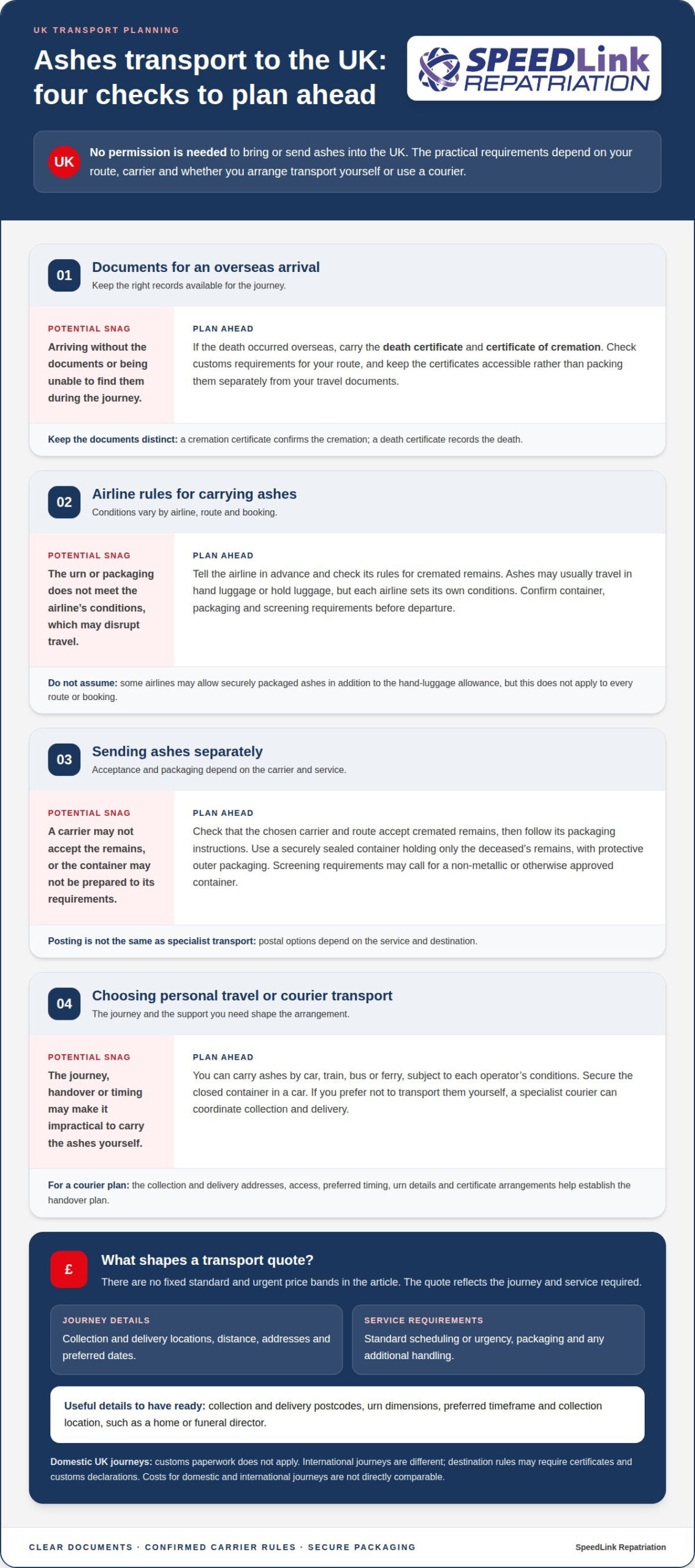
The cost of transporting ashes depends on the journey and service required. You’ll receive a price after requesting a quote, based on factors such as collection and delivery locations, distance, urgency, packaging and any additional handling. Providing accurate addresses and preferred dates helps define the arrangements.
Standard transport suits journeys where timing can follow the available schedule. For urgent transport, the route, collection timing and delivery requirements shape the quote. A remote collection point or a destination requiring extra coordination can also affect the work involved. The choice is not simply between two fixed price bands.
Before requesting a quote, gather the collection and delivery postcodes, the urn’s dimensions and your preferred timeframe. Note whether collection is from a home, funeral director or another location. These details help define the transport plan and identify any packaging or handling needs.
For domestic journeys within the UK, customs paperwork does not apply. International transport is different: destination rules may require documents such as a death certificate and cremation certificate, alongside customs declarations. The route and destination determine the paperwork, so domestic and international journey costs should not be treated as directly comparable.
Ask for a quote that reflects the service level and journey details you need. If plans change, revised dates or addresses can affect the arrangements and cost. A clear request helps distinguish standard scheduling from an urgent service and gives you a more useful basis for deciding.
SpeedLink Repatriation: International Ashes Repatriation
SpeedLink Repatriation arranges international ashes repatriation and UK domestic ashes delivery for families who need help moving cremated remains. For a UK journey, its domestic service can coordinate collection and delivery. For travel across borders, its international service supports the transport arrangements.
Support can also include bereavement logistics, such as coordinating practical details around the movement of ashes. If a family needs the remains divided, an ashes splitting service is available. These services can help when travelling personally is difficult or when managing packaging, documents and handover would add pressure during an already demanding time.
Share the collection and destination details, along with your preferred timing, to discuss the next steps. Contact SpeedLink Repatriation to talk through the arrangements.
Take the next step at your own pace
Choosing how the ashes will travel is a personal decision, not simply a transport arrangement. If transporting ashes within the UK yourself feels right, you can plan around the people involved and how you wish to manage the handover. If you’d rather have help with the practical arrangements, consider what support would make the process easier for your family.
A useful next step is to agree who will receive the ashes and what a respectful handover means to everyone involved. A clear shared decision can help prevent confusion later and give family members space to focus on remembering the person who has died. You don’t need to settle every detail at once; begin with the arrangements that matter most to you.
Take the process one step at a time. A considered plan can make the journey ahead feel more manageable.
Frequently Asked Questions
Why engage a specialist courier?
A specialist courier can coordinate the journey when relatives are unable to manage the arrangements themselves. This can help when several family members are involved or the recipient cannot meet the carrier directly. Agreeing who will hand over and receive the remains gives everyone a clear role and helps avoid confusion on the day.
What are the airline rules for carrying ashes on domestic flights within the UK?
The airline operating your flight sets the conditions for carrying ashes, so there isn’t one rule that applies to every domestic service. If your booking includes connecting flights, make sure you understand the requirements for each leg. Keep any instructions from the airline accessible alongside your travel details.
Do you need documents or a certificate to transport ashes within the UK?
For a journey entirely within the UK, you don’t need permission to transport ashes. Keep any cremation paperwork with the person responsible for the journey, so it can be shown if a transport operator asks about the consignment. You can also agree in advance who will retain the documents after the handover.
What type of urn or container is permitted when travelling with ashes in the UK?
The suitable container depends on the transport method and the carrier’s conditions. Before choosing one for air travel, consider whether its construction could affect security screening. For road or rail, prioritise a container that can be carried steadily and placed securely, rather than choosing one based on appearance alone.
How should ashes be packed and protected for transport within the UK?
Plan the packing around the full journey, including transfers between vehicles or people. Avoid leaving the container loose among other belongings, and make sure the recipient knows when and where to expect the handover. For a courier journey, packaging can be arranged as part of the transport service, according to the route and handling needs.

Article by
David McMillen
I started my career in logistics over 30 years ago which has spanned 2 continents and several different types of courier and logistics operations. I lost my dear Mum back in 2016 and it was in the aftermath of her passing that SpeedLink Repatriation was born. We have endeavoured to bring the same care and attention to all of our clients as my mum received and to date we have helped repatriate hundreds of individuals across the globe.
Disclaimer
International requirements for cremated remains vary by origin, destination, carrier and method of transport and may change without notice.
Content is provided as general guidance and should not be treated as legal advice.
Where necessary, current requirements should be confirmed with the relevant government authority, customs authority, embassy, consulate, postal operator, airline or carrier.
SpeedLink can advise on the requirements applicable to a specific shipment.