A standard parcel service is designed for objects, but the remains of a loved one represent a life legacy that deserves far more than a simple shipping label. When you are faced with the task of moving cremated remains, the logistical hurdles can feel like an emotional burden you aren’t prepared to carry. You likely worry about the security of the journey and wonder if there is a way to ensure the process remains as respectful as the life it honours.
We understand that this is a deeply personal responsibility. You want a clear path forward that guarantees safety and compliance with global regulations. This guide provides a definitive framework on how to courier ashes in 2026, offering clarity on everything from the mandatory USPS “BOX-CRE” kits to the intricate documentation needed for international repatriation. We will walk you through the essential legal protocols, professional packaging standards, and the secure tracking methods that provide peace of mind during this difficult time. By following these professional protocols, you can move from a place of uncertainty to a position of control, ensuring your loved one reaches their final resting place with the dignity they deserve.
A standard postal box is no place for a loved one’s legacy. You likely want the absolute assurance that their remains will be treated with the highest level of care throughout their final journey. This guide provides a clear, step-by-step plan for how to courier ashes in 2026, ensuring you have the professional protocols and legal clarity needed to navigate this process with confidence.
We’ll explore the legal framework for transporting cremated remains and explain why specialist oversight is vital for security. You’ll find a checklist of mandatory documentation, including Death Certificates and “Out of Country” permits, alongside a methodical approach to organising a courier. This includes navigating the latest requirements, such as mandatory USPS “BOX-CRE” kits for international transit and specific route planning for destinations like Ireland or Italy. Finally, we detail why specialist bereavement logistics are a more dignified choice than standard post, protecting remains from mechanical sorting systems whilst ensuring they’re never left unattended.
Understanding the Regulations: Can You Courier Cremated Remains?
Transporting a loved one’s remains is entirely legal in 2026, yet the process is governed by a complex web of regulations that can feel overwhelming. Many families initially turn to familiar names like DHL or FedEx, only to find that these commercial giants often refuse human remains within their standard networks. This isn’t due to a lack of empathy. Their systems are built for high-speed, mechanical sorting of inanimate goods, which is fundamentally incompatible with the care required for such a sensitive task. To ensure the highest level of care, you must understand how to courier ashes through channels designed specifically for bereavement logistics. When remains cross international borders, the process is formally known as repatriation, a term that encompasses the legal and ethical stewardship of returning a person to their home country.
Understanding the foundation of the cremation process helps clarify why specific handling is required. The remains are fragile and hold immense sentimental value, necessitating a secure, human-centric approach that standard logistics simply cannot provide.
The Difference Between Postal Services and Specialist Couriers
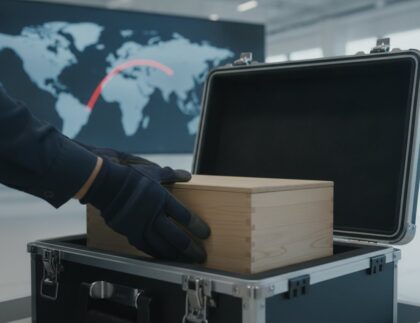
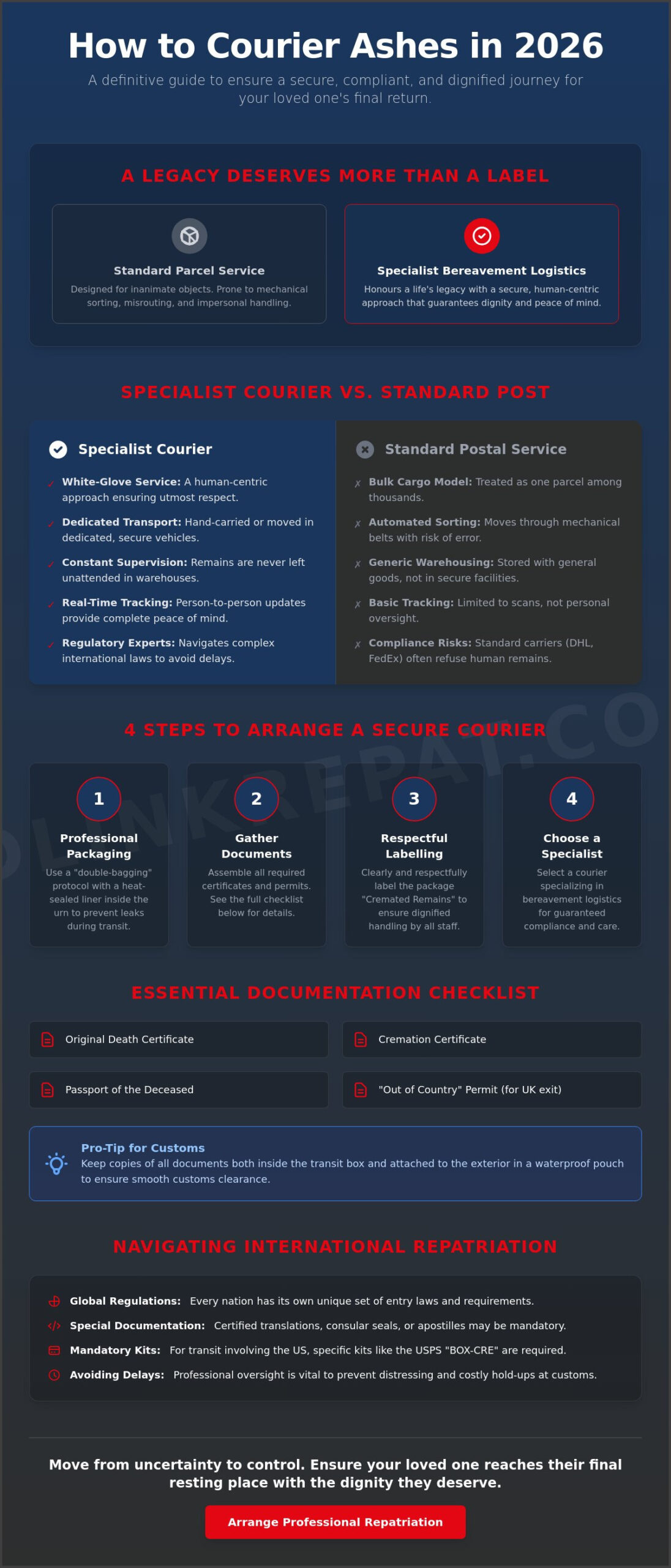
Standard postal services, such as Royal Mail, do permit the transport of ashes, but they operate on a bulk cargo model. Your loved one’s remains are treated as a parcel amongst thousands of others. This involves moving through automated sorting belts where the risk of mechanical error or misrouting is a constant concern. A specialist courier offers a white-glove alternative. Instead of being left in generic warehouses, remains are often hand-carried or transported in dedicated vehicles. This ensures they are never left unattended and provides the real-time, person-to-person tracking that a standard postal receipt cannot offer.
UK and International Legal Frameworks
In the UK, the transport of remains is influenced by the Cremation Act and specific local health department regulations. Whilst domestic movement is relatively straightforward, international transit requires strict adherence to the destination country’s entry laws. Knowing how to courier ashes safely means recognising that every nation has its own unique set of requirements. Common international mandates include:
- Certified translations of the Death Certificate.
- An “Out of Country” permit issued by the local coroner.
- Consular seals or apostilles for specific jurisdictions.
Failure to comply with these rules can lead to distressing delays at customs, making professional oversight a vital safeguard during a period of mourning.
Essential Documentation and Preparation for Safe Transit
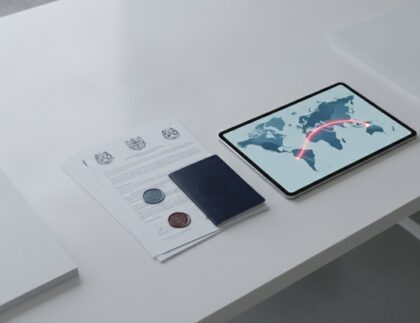
Before you can learn how to courier ashes across borders, you must secure the correct administrative foundation. The core requirements include the original Death Certificate, the Cremation Certificate issued by the crematorium, and the Passport of the deceased. For remains leaving the UK, you will also need an “Out of Country” permit, which is typically issued by the coroner or registrar in the district where the death was registered. Some international jurisdictions also require a “Freedom from Infection” certificate to confirm no public health risks exist. It is a vital safeguard to keep copies of all these documents both inside the transit box and securely attached to the exterior in a waterproof pouch to facilitate smooth customs clearance.
Professional Packaging Standards for Ashes
Safe transit relies on meticulous preparation. We recommend a “double-bagging” protocol, where remains are placed in a heat-sealed, heavy-duty plastic liner before being placed inside the urn. This prevents leakage caused by atmospheric pressure changes during air transit. When selecting an inner urn, consider the journey. Whilst TSA regulations require non-metallic containers for X-ray screening if hand-carrying, a specialist courier can accommodate sturdier materials. For a deeper look at these requirements, see our guide on how to ship human ashes.
Labelling and Identification
Every package must be clearly and respectfully labelled as “Cremated Remains” to ensure handlers treat it with appropriate care. This labelling identifies the package to customs officials and airline staff, ensuring it is prioritised and handled with dignity. In a US context, the USPS mandates the use of Label 139, but specialist couriers use bespoke, high-visibility identification that alerts staff to the sensitive nature of the contents without compromising privacy. If you feel overwhelmed by these administrative demands, you might speak with a repatriation specialist to ensure every detail is correct.
A Step-by-Step Guide to Organising an Ashes Courier
Organising the transport of cremated remains requires a methodical approach that prioritises both legal compliance and emotional sensitivity. To ensure a seamless journey, we follow a rigorous four-step protocol designed to take the logistical burden off your shoulders. The process begins with a detailed consultation and route planning. Every country maintains unique entry requirements; for instance, the protocols for transport to Ireland differ significantly from the consular requirements needed for Italy. Identifying these nuances early prevents distressing delays at the border.
Once the route is established, the second step involves secure collection. Unlike standard postal services that require you to drop off a package at a public counter, a trained professional will collect the remains directly from a funeral home or private residence. From there, the courier manages the customs clearance process. Whilst the USPS shipping guidelines provide a framework for domestic mail in the United States, an international specialist acts as a dedicated broker. They interface with airline manifests and customs officials to ensure the remains are prioritised. The final step is the “last mile” delivery, where the remains are hand-delivered to a local funeral director or a waiting family member, ensuring a dignified handover.
Navigating International Customs and Airline Protocols
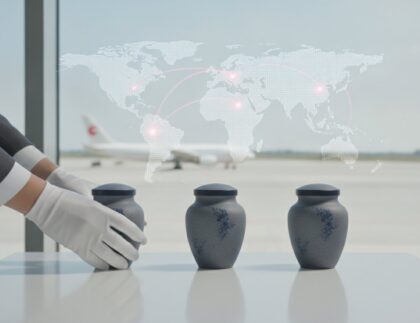
Specialist couriers often hold “Known Consignor” status, a security designation that facilitates smoother air transit by allowing for expedited screening. This status is particularly beneficial for complex transatlantic routes, such as USA to UK ashes transport, where remains must move through high-security airport hubs. By managing these airline-specific protocols, a courier ensures that your loved one is treated as a passenger with a priority status, rather than generic freight.
Real-Time Tracking and Communication
Understanding how to courier ashes securely involves more than just physical transport; it requires constant transparency. We utilise GPS tracking to monitor the journey in real time, but we believe technology should never replace human empathy. A dedicated coordinator provides proactive updates, ensuring you are never left wondering about the status of the transit. This person-to-person communication offers a level of reassurance that automated tracking emails simply cannot match. If you are ready to begin this process, you can request a tailored transport plan from our specialist team.
Why a Specialist Courier is the Most Dignified Choice
A frequent question families ask is why they shouldn’t simply use a standard postal service. Whilst the post is a reliable tool for commercial parcels, human remains require a level of stewardship that automated systems cannot provide. Standard networks rely on high-speed mechanical sorting belts and transit through generic warehouses where packages are often left unattended for long periods. When you choose how to courier ashes through a specialist, you are choosing a “people-first” philosophy. Your loved one is never treated as bulk cargo; instead, they are handled with the professional composure and care that a life legacy demands.
Modern families are often spread across the globe, leading to more complex requests. We provide specialised services such as ashes splitting to accommodate families who wish to hold memorials in multiple locations. This ensures that every portion of the remains is tracked and transported with the same rigorous security as a full urn, removing the logistical burden from your shoulders during a time of mourning.
SpeedLink Repatriation: Your Global Partner in Bereavement Logistics
We focus exclusively on the sensitive transport of cremated remains, ensuring that 100% of our attention is dedicated to this delicate task. Our team possesses deep expertise in managing complex international routes, including the long-haul requirements for Australia to Europe transit. We act as an ethical guardian for your loved one, navigating the regulatory hurdles of different continents so you don’t have to. Our goal is to provide a steady hand that guides you through every step of the repatriation process with technical mastery and emotional intelligence.
The Value of Peace of Mind
Ultimately, the decision of how to courier ashes comes down to the value of peace of mind. By allowing a professional to manage the paperwork, customs brokerage, and secure transit, you free yourself to focus on what truly matters: the memorial and the celebration of a life lived. Professional handling ensures that the journey is as respectful as the destination. If you would like to discuss a secure and dignified transport plan, we invite you to contact our team for a compassionate consultation.
Securing Your Loved One’s Final Journey
Navigating the logistics of bereavement is a significant responsibility, but you don’t have to manage it alone. By prioritising correct documentation and choosing professional protocols over standard postal systems, you ensure that every mile of the journey is handled with the highest level of care. You now have a clearer understanding of how to courier ashes with the security and dignity that such a sensitive task requires, from preparing “Out of Country” permits to utilising specialist customs brokerage.
As a specialist division of SpeedLink Transport Limited, established in 2003, we bring decades of expertise to USA to UK and global bereavement logistics. Our door-to-door secure courier service provides real-time tracking and a human-centric approach that keeps you informed at every stage. We’re here to take the logistical burden off your shoulders, allowing you to focus on honouring your loved one’s memory. Please request a dignified consultation for ashes courier services today to discuss your requirements with a compassionate expert. You can move forward with confidence, knowing that your loved one is in the hands of dedicated guardians.
Frequently Asked Questions
Can I courier ashes internationally without a funeral director?
Yes, you can certainly courier remains internationally without the direct involvement of a funeral director for the transport phase. Whilst many families rely on their local director for initial arrangements, a specialist bereavement courier possesses the specific technical mastery to manage the repatriation independently. We handle the necessary permits and airline protocols directly, ensuring you maintain a clear line of communication and control over the journey from start to finish.
What is the most secure way to courier ashes within the UK?
The most secure method is to utilise a dedicated UK domestic ashes courier service that provides door-to-door transit. This approach bypasses the risks associated with the automated sorting hubs and mechanical belts found in standard postal networks. By choosing a specialist, you ensure the remains are moved with personal attention and tracked in real time, providing the absolute certainty that they’ll never be left unattended in a generic warehouse or misplaced amongst bulk cargo.
How much does it cost to courier ashes to another country?
The cost to courier ashes in UK and internationally is influenced by several variables, including the destination’s distance and the complexity of its local health regulations. Some countries require specific consular stamps, apostilles, or certified document translations, all of which affect the administrative requirements of the journey. Because every situation is unique, we provide tailored quotes that reflect the specific logistical needs of your chosen route to ensure total transparency and accuracy.
Can I courier ashes through DHL or FedEx?
Generally, most major commercial carriers like DHL and FedEx prohibit the transport of human remains within their standard shipping networks. Their systems are designed for high-speed, inanimate cargo, which doesn’t allow for the dignified, human-centric handling required for cremated remains. To ensure a safe journey, it’s essential to use a specialist who understands how to courier ashes through secure, bereavement-focused channels that prioritise dignity over volume.
What happens if the ashes are stopped at customs?
If remains are delayed at customs, it’s typically because the documentation doesn’t meet the specific entry requirements of the destination country. This can be a distressing experience, but a specialist courier acts as an expert broker to resolve the situation. We interface directly with customs officials to provide the necessary paperwork or legal clarifications, ensuring the remains are cleared and delivered to their final destination as quickly and respectfully as possible.

Article by
David McMillen
I started my career in logistics over 30 years ago which has spanned 2 continents and several different types of courier and logistics operations. I lost my dear Mum back in 2016 and it was in the aftermath of her passing that SpeedLink Repatriation was born. We have endeavoured to bring the same care and attention to all of our clients as my mum received and to date we have helped repatriate hundreds of individuals across the globe.
Disclaimer
International requirements for cremated remains vary by origin, destination, carrier and method of transport and may change without notice.
Content is provided as general guidance and should not be treated as legal advice.
Where necessary, current requirements should be confirmed with the relevant government authority, customs authority, embassy, consulate, postal operator, airline or carrier.
SpeedLink can advise on the requirements applicable to a specific shipment.