The final journey of a loved one shouldn’t be defined by bureaucratic hurdles or the cold mechanics of a shipping manifesto. When you’re tasked with moving cremated remains across borders, the emotional weight is often compounded by a fear of customs delays. You likely feel that this process requires more than just a courier; it demands a guardian who respects the sanctity of the task. Mastering bereavement logistics is about more than just paperwork. It’s about maintaining a dignified chain of custody that honours the person you’ve lost while satisfying every legal requirement.
We know that the complexity of global regulations can feel overwhelming during a time of grief. This guide provides the clarity you need to move forward, offering a professional roadmap for transporting ashes in 2026. You’ll learn which documents are mandatory, how to select an x-ray friendly urn that meets airline standards, and how to ensure a seamless delivery for a final scattering. We’ll show you how to bypass the red tape and focus on a peaceful final farewell.
Key Takeaways
- Understand the fundamental differences between standard shipping and specialised bereavement logistics to ensure your loved one is treated with the highest level of professional poise.
- Identify the essential documentation required for international transit, including why certain certificates are mandatory for crossing borders without delay.
- Learn how to select X-ray compatible urn materials and professional packaging to ensure remains are protected against physical shock and pressure changes during flight.
- Discover how a dedicated chain of custody provides a secure, door-to-door roadmap for a successful final scattering or memorial service.
Defining Bereavement Logistics for Cremated Remains
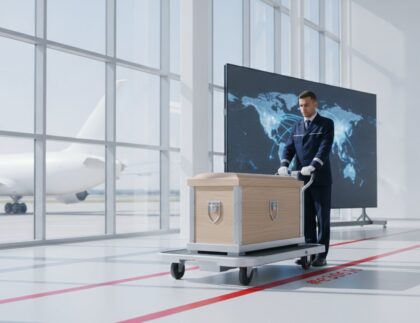
Bereavement logistics is the specialised management and physical movement of a deceased person’s remains from one location to another. While many people associate the term with global body transport, the logistical requirements for ashes are distinct. Transporting remains involves navigating a maze of airline policies and international customs laws. This journey begins after the Cremation process and remains are prepared, requiring a coordinated effort amongst funeral directors, airlines, and customs agents.
The primary goal is to maintain a dignified chain of custody. This means the remains are tracked and cared for at every stage, ensuring they aren’t treated as mere cargo. Unlike general shipping, this process prioritises the emotional weight of the task, treating the remains with the reverence they deserve.
The Scope of Modern Bereavement Services
Modern bereavement logistics go far beyond simple transit. A comprehensive service includes professional packaging to protect against pressure changes and secure storage if a ceremony is delayed. It also facilitates an ashes splitting service, allowing families to divide remains for different memorial sites across the globe. This level of detail is vital for families organising scattering ceremonies in multiple countries, such as those utilising a USA to Ireland courier service.
Why Specialisation Matters
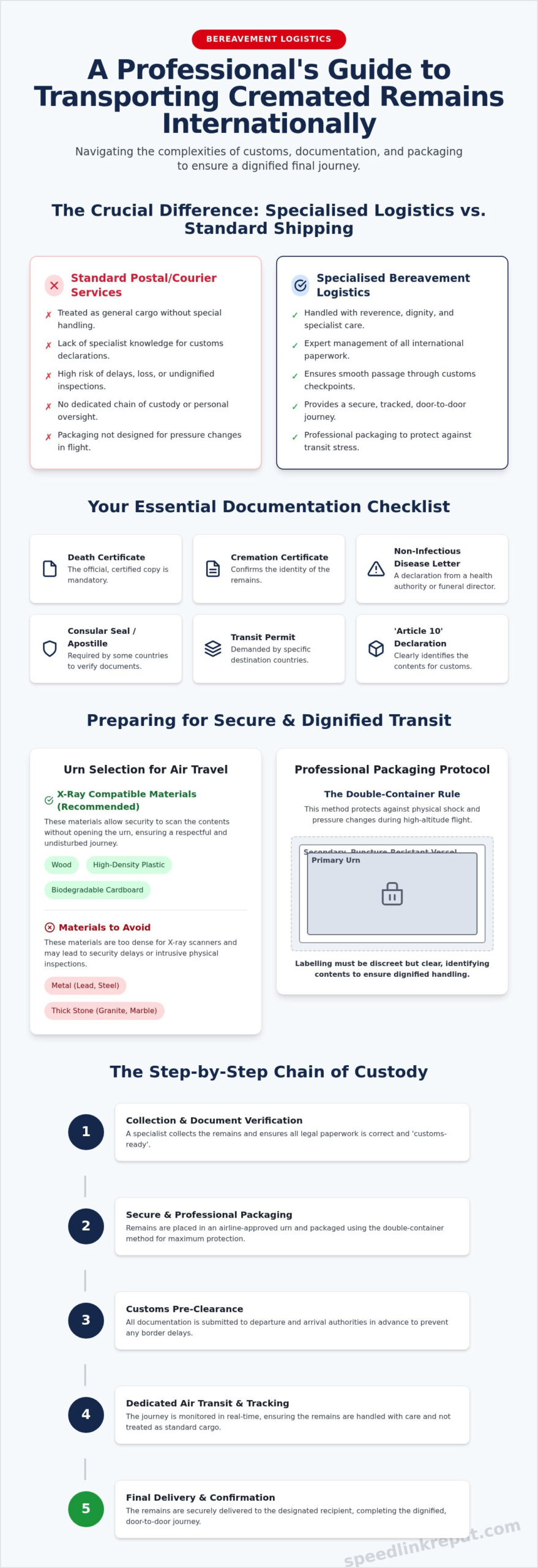
Standard postal services aren’t designed for the unique sensitivity of human remains. They often lack the real-time tracking and personal oversight required to prevent loss or damage. Professional stewardship acts as a burden-lifter, managing the administrative red tape so you don’t have to. By using a specialist, you ensure that the journey is handled with technical mastery and profound empathy, protecting the remains from being caught in bureaucratic delays at international borders.
Navigating International Regulations and Customs
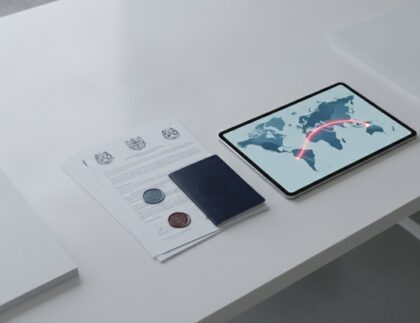
Crossing an international border with remains is a legal undertaking that requires absolute precision. To ensure a smooth journey, you must gather essential documentation: a certified Death Certificate, a Cremation Certificate, and a Non-Infectious Disease Letter. In some instances, a ‘Consular Seal’ or an apostille is required, acting as a formal verification of your documents for foreign authorities. Mastery of bereavement logistics ensures these papers are prepared correctly before the journey begins, preventing unnecessary stress.
Customs protocols vary significantly by destination. Whilst the United Kingdom typically doesn’t require an import permit if you have the death and cremation certificates, other nations may demand a transit permit or specific ‘Article 10’ declarations to identify the contents. Adherence to TSA guidelines for air travel is also vital, particularly regarding scannable urn materials, to avoid intrusive physical inspections at security checkpoints.
Transatlantic and Global Corridors
Navigating the specific requirements for USA to UK ashes transport involves coordinating with both departure agencies and arrival authorities. Similarly, managing the logistics of Australia to Europe repatriation requires a deep understanding of EU-wide regulations and individual state rules. These corridors are well-trodden, yet they remain complex for those unfamiliar with international bereavement laws.
Customs and Compliance Mastery
A specialist courier acts as your liaison with border authorities, ensuring remains aren’t held in cargo bays due to missing declarations. By ensuring your documentation is ‘customs-ready’, you prevent undignified delays and ensure a respectful transition through every checkpoint. This professional oversight protects the chain of custody from door to door. If you’re unsure about the specific requirements for your destination, you can speak with a repatriation expert for tailored guidance.
Practical Steps for Organising Global Ashes Transport
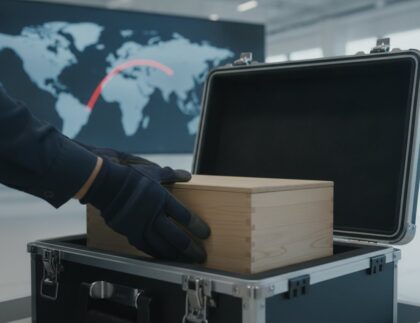
Executing the physical movement of remains requires a methodical approach. The first step involves procuring an X-ray compatible urn. Materials such as high-density plastic, wood, or biodegradable cardboard are essential for air transit. Metal or thick stone containers often cannot be scanned, which may lead to security delays or intrusive inspections. Using a scannable vessel ensures the journey remains undisturbed.
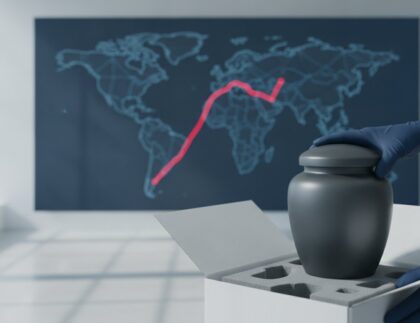
Professional packaging is the next critical phase. This involves the double-container rule, where the primary urn is placed inside a secondary, puncture-resistant vessel. This protects against physical shock and the pressure changes inherent in high-altitude flight. Labelling must be discreet yet clear, identifying the contents as human remains to ensure they are handled with the appropriate level of stewardship throughout the journey.
Selecting a transport method is a choice between hand-carry, freight, or a specialist courier. While hand-carry offers personal control, it places a heavy emotional and administrative burden on the traveller. Specialist couriers provide a dedicated chain of custody with real-time tracking. This visibility is a cornerstone of bereavement logistics, providing constant peace of mind that your loved one is moving safely towards their destination.
Packaging Protocols for Dignity
The double-container method is a standard in bereavement logistics that ensures the integrity of the remains. Securely sealing the inner vessel prevents accidental leakage, whilst the outer packaging provides a neutral, dignified appearance for transit. This setup meets the rigorous safety standards of international airlines whilst protecting the sanctity of the contents.
Arranging for Final Disposition
In the context of bereavement logistics, there is a profound difference between a standard delivery and a repatriation. A delivery is a mere transaction; a repatriation is a homecoming. Specialist stewardship ensures that your loved one is never treated as a reference number on a shipping manifest. By protecting the chain of custody from door to door, providers ensure that the remains are handled with the integrity and personal attention they deserve.
Moving remains across global borders involves multiple agencies and potential points of failure. Having a single point of contact provides an essential sense of security. It removes the stress of chasing updates from different customs offices or airline cargo desks. This professional composure allows for a steady, transparent flow of information, keeping you informed without the burden of managing the minute details yourself during a period of grief.
The SpeedLink Commitment
Our philosophy is rooted in a people-first approach. We understand that behind every logistical challenge is a family seeking closure. This is particularly evident in our specialised management of the Canada to Europe corridor, where we navigate complex transatlantic regulations with technical mastery. We act as ethical guardians, ensuring every journey is completed with the highest level of care and transparency.
Taking the Burden Off the Family
Ensuring a Dignified Final Journey
Transporting a loved one’s ashes across international borders is a deeply personal task that requires both technical precision and emotional sensitivity. By selecting X-ray friendly urns and ensuring your documentation is customs-ready, you can avoid the stress of administrative delays. Effective bereavement logistics aren’t just about moving a package; they’re about maintaining a sacred chain of custody that honours the deceased at every stage.
We know that the weight of these responsibilities can feel heavy whilst you’re grieving. Our team provides expert customs clearance assistance and secure door-to-door transit to lift that burden from your shoulders. With a dedicated focus on cremated remains, we ensure your loved one receives the professional stewardship and respect they deserve during their final homecoming.
If you’re ready to arrange a secure and respectful transport, contact our compassionate experts for a dignified ashes repatriation quote. You don’t have to navigate this complex process alone; we’re here to guide you with poise and care.
Frequently Asked Questions
What documents are legally required for bereavement logistics involving international transport?
Legally required documents typically include a certified death certificate, a cremation certificate, and a non-infectious disease letter. Depending on the destination, you’ll also need an apostille or a Consular Seal to verify these papers for foreign authorities. Expert bereavement logistics ensures that all paperwork is meticulously prepared before transit. This preparation prevents administrative delays and ensures your loved one’s remains move through international checkpoints with the necessary legal authority and respect.
Can I send cremated remains through a standard international courier like DHL or FedEx?
Most standard international couriers, such as DHL or FedEx, have strict policies that prohibit the transport of human remains, including ashes. Attempting to use these services risks the remains being seized or returned. Instead, you should utilise a specialised cremated remains courier service. These experts have the specific permissions and “white glove” procedures required to handle remains legally. They ensure a secure chain of custody that general parcel services simply don’t provide.
Why is it important to use an X-ray compatible urn for bereavement shipping?
X-ray compatible urns are vital because airport security must be able to scan the contents without opening the container. Materials like wood, high-density plastic, or biodegradable cardboard allow for clear imaging. If you use a metal or thick stone urn, the contents will be obscured. This often results in the remains being refused for flight or subjected to intrusive physical inspections, which can be deeply distressing for the grieving family involved.
What happens if the ashes are delayed at customs during the repatriation process?
If a delay occurs at customs, a specialist logistics provider acts as a direct liaison with border authorities to resolve any issues. They’ll ensure that all declarations are correct and that the remains are stored securely whilst any administrative queries are addressed. This professional oversight is a core part of bereavement logistics, as it protects the remains from being left in general cargo areas and ensures they continue their journey as quickly as possible.
Is it possible to split the ashes and send them to multiple global locations?
It’s entirely possible to split remains and transport them to multiple destinations for different memorial services. We offer a dedicated ashes splitting service to assist families in dividing remains respectfully. Our team then coordinates the logistics for each portion, ensuring every family member receives their loved one’s remains through a secure, door-to-door courier. This allows for global scattering ceremonies or multiple final resting places across different countries or continents simultaneously.

Article by
David McMillen
I started my career in logistics over 30 years ago which has spanned 2 continents and several different types of courier and logistics operations. I lost my dear Mum back in 2016 and it was in the aftermath of her passing that SpeedLink Repatriation was born. We have endeavoured to bring the same care and attention to all of our clients as my mum received and to date we have helped repatriate hundreds of individuals across the globe.
Disclaimer
International requirements for cremated remains vary by origin, destination, carrier and method of transport and may change without notice.
Content is provided as general guidance and should not be treated as legal advice.
Where necessary, current requirements should be confirmed with the relevant government authority, customs authority, embassy, consulate, postal operator, airline or carrier.
SpeedLink can advise on the requirements applicable to a specific shipment.