Imagine the heart-wrenching moment of standing at an international customs desk, clutching the remains of a loved one, only to be told your paperwork is insufficient. For many, the dream of a final farewell in a favourite destination is clouded by the fear of ashes being confiscated or delayed. When you’re already mourning, the burden of planning an ashes scattering ceremony abroad can feel overwhelming. You want to focus on the memories, not the mounting anxiety of complex 2026 regulations or shifting airline policies.
We believe that your focus should remain on honouring a life well-lived, whilst we provide the professional composure needed to handle the details. This guide offers a clear path through the complexities of international bereavement logistics. You’ll learn how to address the latest 2026 legal requirements, discover secure transport solutions that bypass the stress of airport security, and ensure your loved one reaches their final resting place with absolute dignity. We’ll examine everything from mandatory documentation to professional packaging, giving you the control to arrange a seamless and beautiful ceremony.
Key Takeaways
- Understand the distinction between transport compliance and local disposal laws to ensure your loved one’s journey remains uninterrupted.
- Mastering 2026 documentation requirements, such as the Freedom from Infection statement, is vital when planning an ashes scattering ceremony abroad to avoid customs complications.
- Researching specific local permissions and environmental regulations will help you choose a meaningful global destination that respects both tradition and the law.
- Use professional bereavement logistics and secure storage to synchronise the arrival of the family with the safe delivery of the cremated remains.
Navigating the Legalities and Risks of International Ashes Transport
International ashes repatriation is the specialised logistics process of moving cremated remains across borders. When you’re planning an ashes scattering ceremony abroad, you must manage the ‘Dual Nature of Compliance’. This involves meeting transport rules set by airlines or couriers whilst simultaneously adhering to the disposal laws of your destination. For example, a country might allow the entry of remains but strictly regulate a Burial at sea or scattering in public parks. Failing to account for both can lead to heartbreaking delays at the border.
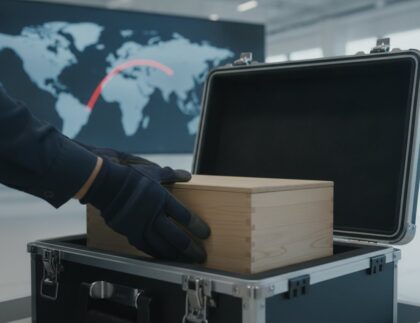
Hand-carrying ashes through commercial airport security carries immense emotional and logistical risks. The possibility of an urn being opened for inspection or delayed at a customs desk can be devastating during a period of grief. Professional bereavement logistics offer a dignified alternative to standard post or luggage, treating the remains with the care they deserve. We ensure that every transition is handled with the utmost respect, removing the burden of bureaucracy from your shoulders.
Why Specialist Bereavement Logistics Offer Peace of Mind
We adopt a ‘people-first’ approach, handling every repatriation with professional composure and empathy. Instead of relying on the unpredictable nature of commercial flight transit, specialist door-to-door solutions provide constant visibility. This is particularly helpful when planning an ashes scattering ceremony abroad in locations with complex entry requirements, such as when using a USA to Italy ashes courier service to navigate strict European protocols. This dedicated focus ensures that your loved one is never treated as mere cargo.
Chain of Custody is the continuous, documented record of every individual who handles the remains from the moment they are collected until they are safely delivered.
Essential Documentation and Customs Compliance for 2026
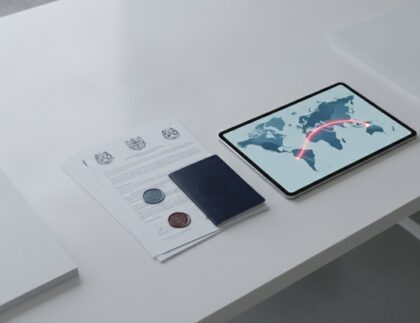
When planning an ashes scattering ceremony abroad, the administrative burden can feel heavy during a time of grief. To ensure a smooth transition through customs, you must assemble a core document pack. This pack must include the original Death Certificate and the Cremation Certificate. These documents serve as the primary proof of identity and the nature of the remains for foreign officials, ensuring the journey is not interrupted by bureaucratic queries.
A critical component of this pack is the ‘Freedom from Infection’ statement. This remains a global standard because it provides destination countries with the necessary health clearance, confirming the remains pose no biological risk. Additionally, transport safety dictates that containers must be made of non-porous, X-rayable materials. It’s vital to avoid lead-lined urns, as they prevent security scanners from verifying the contents, which can lead to heartbreaking delays or refusals at the border.
Navigating Customs Clearance Overseas
Declaring remains correctly is vital for successful transit. You shouldn’t list them as ‘personal effects’, as this can lead to misclassification and unnecessary inspections. They must be clearly identified as ‘cremated remains’ to trigger the correct clearance protocols. Providing accurate ‘Consignee’ details—the specific person or authorised agent receiving the ashes—is also a mandatory requirement when planning an ashes scattering ceremony abroad.
Professional Packaging for International Transit
Dignity meets durability in professional packaging. The outer container should be robust enough to prevent any risk of leakage or breakage whilst remaining discreet and respectful. Labelling must be clear for officials but sensitive to the family’s privacy. For those sending remains from North America, adhering to the U.S. Postal Service international shipping regulations provides a secure benchmark for transit standards. If these requirements feel daunting, you can reach out for professional assistance to ensure every detail is handled with care.
Choosing Your Global Destination and Securing Local Permissions
Managing Local Logistics and Scattering Permits
Securing the right paperwork is essential for a stress-free event. In many international national parks, you’ll require a ‘Special Use Permit’ to hold a gathering. Language barriers can make these applications difficult, which is why using a professional coordinator can be invaluable. They bridge the gap with foreign authorities, ensuring every permit is in place before you arrive. For those moving remains across vast distances, our Australia to Europe cremated remains courier services provide the reliable transport needed to reach these meaningful destinations. To ensure your ceremony meets all local requirements, contact our team for expert guidance.

Organising the Ceremony: Shared Memories and Bereavement Logistics
Entrusting these details to an ethical guardian provides a sense of calm during an emotionally taxing period. This stewardship ensures the final farewell is uninterrupted by logistical concerns, allowing the family to dedicate their energy to honouring shared memories in a dignified manner.
The Logistics of Shared Memories: Ashes Splitting
Families often wish to hold ceremonies in multiple locations that were favourites of their loved one. Our Ashes Splitting service facilitates this by safely dividing remains for transit to different countries or regions. It is important to note that each portion requires a complete set of original documentation to pass through customs successfully. For those planning an ashes scattering ceremony abroad to honour shared heritage, whilst using a USA to Ireland ashes courier service, we ensure that each portion reaches its destination with technical mastery and care.
Coordination and Support for a Dignified Farewell
Ensuring a Seamless Journey for Your Final Farewell
Honouring a loved one’s final wishes requires a careful balance of emotional tribute and logistical precision. By mastering 2026 customs requirements and securing the necessary local permits, you ensure that your ceremony remains a peaceful and uninterrupted experience. Whether you’re splitting remains for multiple global locations or choosing a single meaningful site, professional oversight removes the risk of bureaucratic delays. SpeedLink Repatriation has provided specialist bereavement logistics since 2003, focusing on a people-first approach that treats every journey with profound respect and technical mastery.
Is it legal to take human ashes to another country for scattering in 2026?
It’s generally legal to transport cremated remains internationally in 2026, provided you comply with the carrier’s transit regulations and the destination country’s entry laws. When planning an ashes scattering ceremony abroad, you must verify if the specific country permits scattering in public or private spaces. Some nations have strict environmental or religious codes that require prior authorisation from local municipalities to ensure the ceremony proceeds without any legal interruption.
Can I carry ashes in my hand luggage on an international flight?
Most airlines permit ashes in carry-on luggage if they’re in an X-ray transparent container, such as wood or plastic. However, this carries the risk of invasive security checks or customs delays. Many families prefer specialised door-to-door courier services to avoid the emotional stress of handling remains at airport security. This professional approach ensures the ashes are transported with dignity whilst bypassing the standard commercial passenger terminal protocols and airport security restrictions.
Which documents do I need to ship ashes internationally for a ceremony?
To ship ashes across borders, you typically require a certified copy of the Death Certificate and the original Certificate of Cremation. A ‘Freedom from Infection’ statement from the crematorium is also a global standard for 2026 customs clearance. These documents confirm the identity of the remains and ensure they pose no biological health risk. Accurate consignee details and a clear customs declaration are also essential to prevent bureaucratic interruptions at the border.
How long does the international ashes repatriation process typically take?
The duration of international repatriation depends on the destination’s specific customs procedures and the complexity of the paperwork. Most door-to-door courier solutions take between seven and fourteen days for global transit. Planning an ashes scattering ceremony abroad requires allowing sufficient time for these logistics to be finalised. This ensures that the remains are securely stored and ready at your destination well before the family arrives for the scheduled memorial event.
Are there specific types of urns required for international scattering ceremonies?
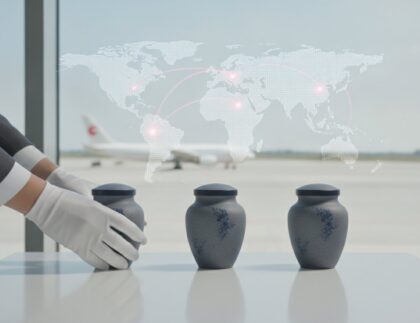
For international transport, urns must be constructed from non-porous materials that are transparent to X-ray machines. Wood, ceramic, or high-density plastic are ideal choices. You should avoid lead-lined containers, as security scanners can’t see through them, which often leads to the remains being refused for transit. If you intend to scatter at sea, choosing a biodegradable urn can help meet environmental regulations whilst ensuring a dignified and respectful final farewell.
Do I need a permit to scatter ashes in a foreign national park or at sea?
Requirements vary by jurisdiction, but many international national parks require a Special Use Permit for scattering ceremonies. For tributes at sea, most countries follow maritime guidelines, such as the three-mile limit from the coastline. It’s essential to obtain written permission from local councils or private landowners before the event. Professional bereavement logistics providers can often assist in identifying the correct authorities to ensure your ceremony is fully compliant with local laws.

Article by
David McMillen
I started my career in logistics over 30 years ago which has spanned 2 continents and several different types of courier and logistics operations. I lost my dear Mum back in 2016 and it was in the aftermath of her passing that SpeedLink Repatriation was born. We have endeavoured to bring the same care and attention to all of our clients as my mum received and to date we have helped repatriate hundreds of individuals across the globe.
Disclaimer
International requirements for cremated remains vary by origin, destination, carrier and method of transport and may change without notice.
Content is provided as general guidance and should not be treated as legal advice.
Where necessary, current requirements should be confirmed with the relevant government authority, customs authority, embassy, consulate, postal operator, airline or carrier.
SpeedLink can advise on the requirements applicable to a specific shipment.