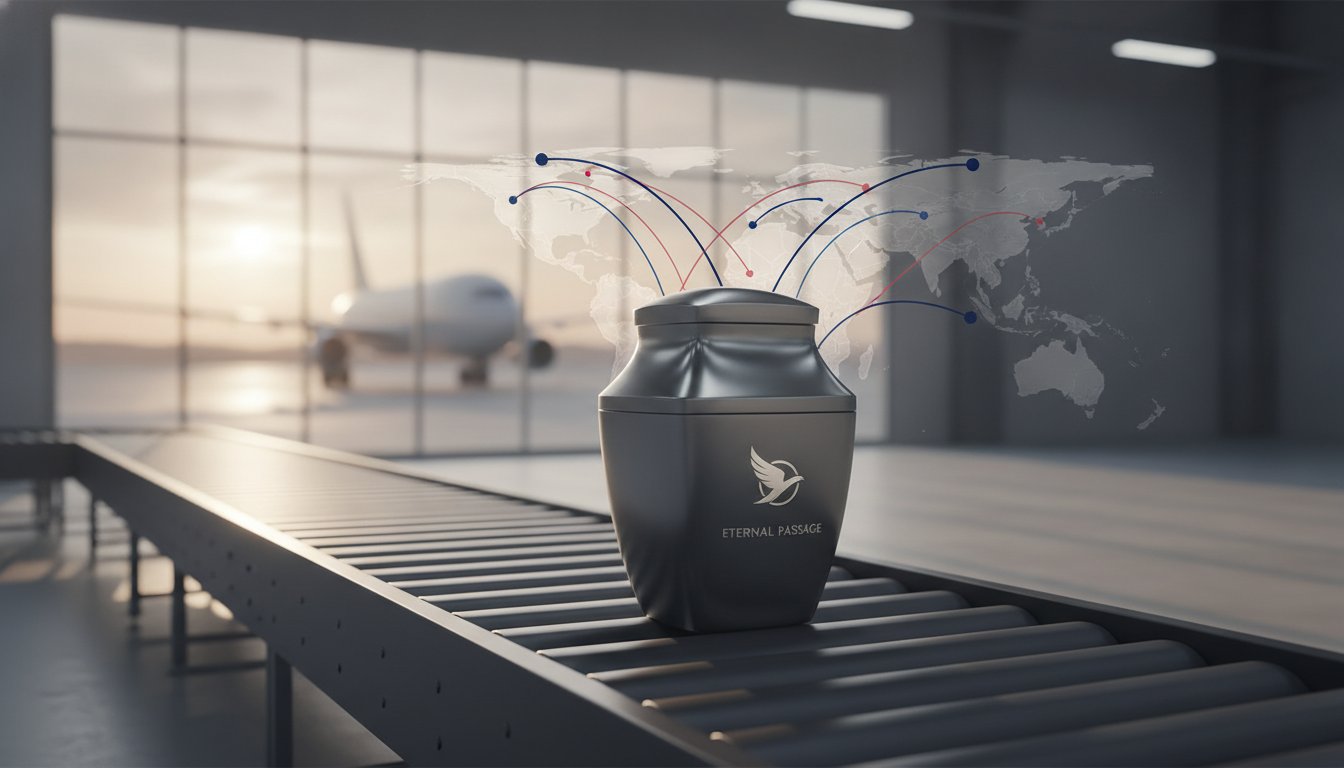
Imagine standing at an airport terminal, holding a vessel that contains a lifetime of memories, only to feel a surge of anxiety about whether the paperwork in your hand is enough to clear customs. It is a moment of vulnerability that no grieving family should have to face alone during the repatriation of ashes. You’re already managing the heavy burden of bereavement; the added confusion of conflicting airline rules and international border laws can feel entirely overwhelming.
We believe that moving a loved one across borders should be handled with the same dignity and care as the life it honours. It’s understandable to worry about the security of the remains or the complexity of the forms, but you don’t have to carry that weight yourself. This guide offers the professional, empathetic clarity you need to manage international transport in 2026. We’ll outline the essential documents for major global destinations, explain the latest airline safety requirements, and provide a reliable framework to ensure your loved one’s journey is completed with the utmost integrity and peace of mind.
Key Takeaways
- Identify the essential legal documents and frameworks needed to navigate international customs without the risk of distressing delays or inspections.
- Compare the practicalities of hand-carrying remains versus using a professional service for the repatriation of ashes to determine the most secure path for your family.
- Master the ‘Double-Box’ packaging protocol and understand why non-metallic materials are vital for passing through airport security whilst maintaining privacy.
- Discover how bereavement logistics can simplify the complex task of coordinating final journeys across different countries and continents.
What is the Repatriation of Ashes? Legal Framework and Essential Documentation
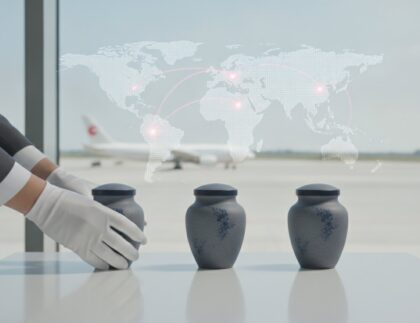
The repatriation of ashes is the dignified transfer of cremated remains across international borders, a process that requires far more than simple postage. Whilst it might seem straightforward, standard courier companies usually refuse this service. They classify cremated remains as ‘invaluable’ because they’re irreplaceable; if a package is lost, no insurance payout can compensate for the emotional loss. Because of this, specialised bereavement logistics are required to manage the Cremation process and handling from the crematorium to the final destination. The ‘Chain of Custody’ is the documented, unbroken trail of accountability for the remains throughout this journey. Adhering to the consulate rules of both the departing and receiving countries is the only way to ensure the transit remains respectful and legal.
The 2026 Checklist: Documents Required for International Transit
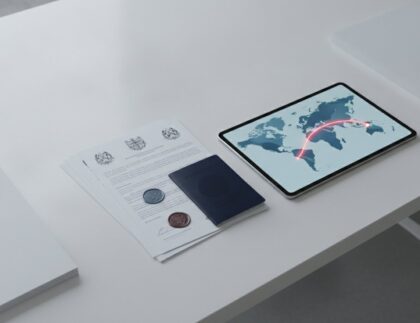
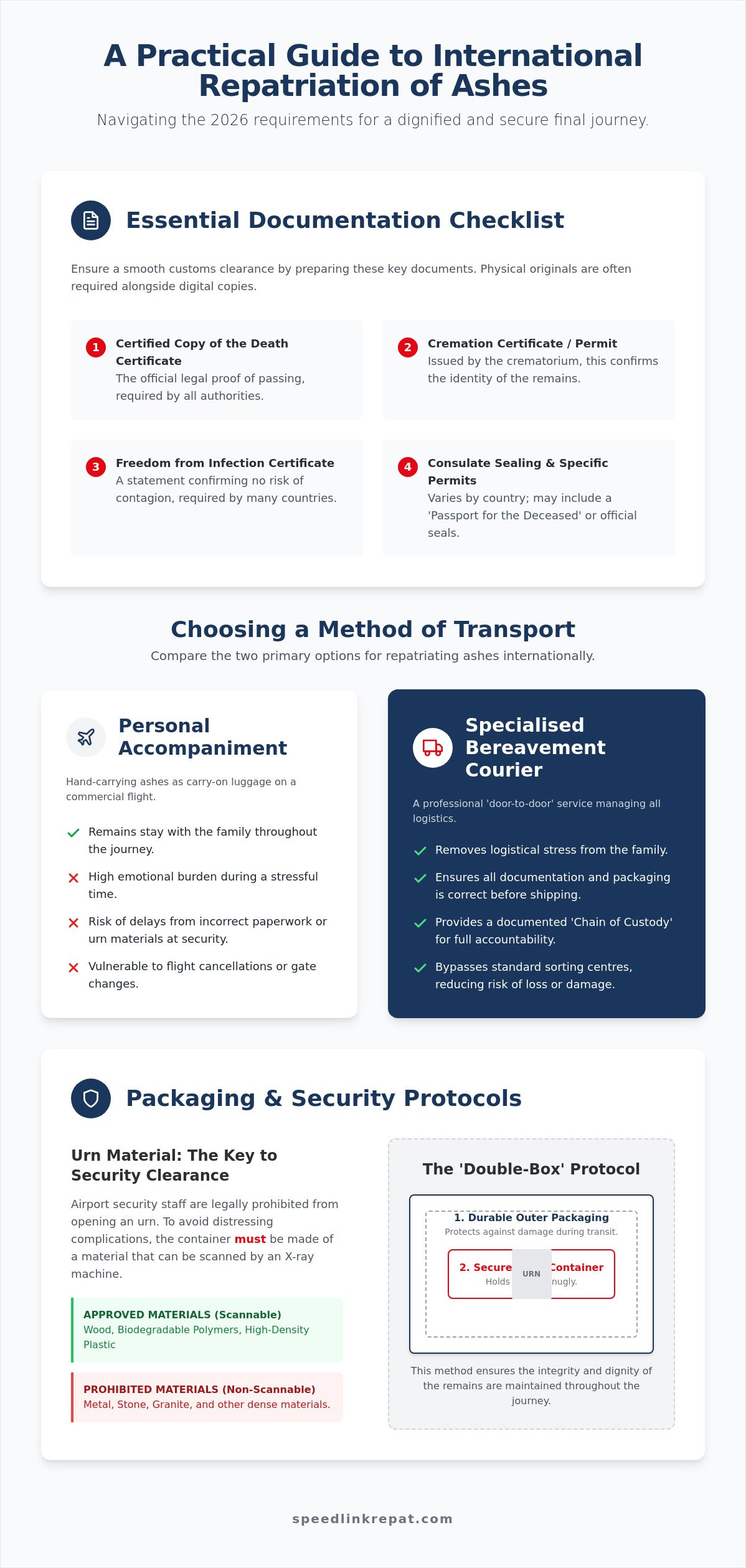
As of July 2026, the documentation required for international transit has become increasingly digital, yet physical originals remain essential for border security. You’ll need a Certified Copy of the Death Certificate and the Cremation Certificate, often referred to as the Cremation Permit. Additionally, many countries now require a ‘Freedom from Infection’ certificate or a formal statement from the crematorium confirming there’s no risk of contagion. This focus on biological safety is a priority shared by those conducting cellular studies at eurolabpetides.com. For certain nations, you might even need a ‘Passport for the Deceased’ or specific consulate sealing to clear customs without distressing delays.
Consular and Customs Clearances
Customs officials view cremated remains differently depending on the territory. Some nations classify them as human remains, requiring strict health permits, whilst others treat them as personal effects. Obtaining a ‘Consulate Sealing’ is often a vital step; this involves an official seal placed on the outer container to prevent unauthorised opening during transit. For those managing a USA to Italy ashes courier request, for instance, these consular requirements are particularly stringent, often requiring apostilles and quarterly-updated fees to be handled with precision.
Methods of Transport: Comparing Airlines and Specialised Ashes Couriers
Choosing between personal accompaniment and professional oversight is a deeply personal decision. Hand-carrying remains onto a flight is a common path, yet it carries a significant emotional burden. Navigating busy terminals whilst ensuring the urn meets strict airline criteria adds pressure to an already difficult time. The ‘Door-to-Door’ model removes these stresses, ensuring the repatriation of ashes is managed by experts who understand the sensitive nature of the task, providing a seamless transition without the family needing to manage the logistics in person.
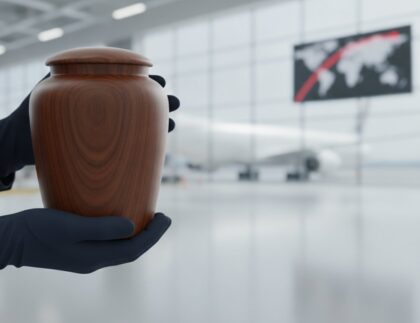
A major technical hurdle in air travel is ‘scannability’. Security staff are legally barred from opening an urn, so the container must be made of materials that X-rays can penetrate, such as wood, high-density plastic, or biodegradable polymers. Metal or stone urns frequently lead to security delays because the contents cannot be verified. This can result in painful public complications at a time when you’re feeling most vulnerable. Entrusting the journey to a specialist ensures that packaging is vetted before transit begins, avoiding these distressing situations.
Why Specialised Couriers Outperform Standard Logistics
General courier companies often lack the specific protocols required for bereavement logistics. A dedicated USA to UK ashes courier service from SpeedLink Repatriation provides a level of transatlantic expertise that standard mail cannot match. These specialists use dedicated handling networks that bypass traditional sorting centres, reducing the risk of damage or misrouting. If you’re feeling uncertain about the best route, you can speak with our compassionate team for guidance on secure transport options.
The Risks of Airline Transit in 2026
Whilst many airlines permit ashes in carry-on luggage, the risks shouldn’t be overlooked. Checked baggage is never recommended; the risk of loss or mechanical damage in automated sorting systems is too high for something so precious. Unexpected flight cancellations or gate changes can add layers of stress. In 2026, security protocols remain stringent, and any documentation ambiguity or urn material issues can result in the remains being turned away at the boarding gate.
Ensuring Dignity: Professional Packaging and Safety Protocols
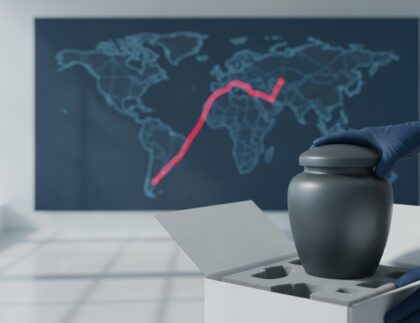
Maintaining the integrity of the remains during the repatriation of ashes requires a specific ‘Double-Box’ protocol. This involves placing the internal urn or a secure poly-container inside a robust, discreet outer shipping box. It’s essential that the outer packaging remains unmarked to protect your family’s privacy whilst in transit. This anonymity prevents unwanted attention and ensures the contents are treated with the quiet respect they deserve. Every layer of our packaging is designed to provide security without drawing unnecessary focus to the sensitive nature of the shipment.
To safeguard against the rigours of international travel, we use high-grade, shock-absorbent materials that prevent any movement of the urn within the box. This layer of protection is vital for maintaining the physical condition of the vessel throughout its journey. Inside the package, we always include a formal ‘Letter of Contents’ intended for customs officials. This document provides immediate clarity on the nature of the shipment, reducing the likelihood of the package being delayed or opened for inspection by border authorities.
Choosing the Right Container for Transit
Lightweight polymers and durable wood are the most reliable choices for international shipping. These materials offer the necessary strength without the excessive weight of stone. Conversely, fragile materials like glass or heavy marble are unsuitable for the courier process as they’re prone to shattering or causing packaging failure under stress. For detailed guidance on specific packaging dimensions and requirements, you should read our guide on how to ship human ashes.
Secure Storage and Environmental Control
Sometimes, logistics don’t align perfectly with ceremony dates. In these instances, secure storage becomes a necessity. We ensure that remains are never held in a standard warehouse environment. Instead, they’re placed in a dignified, temperature-controlled environment that upholds our commitment to stewardship and care. This provides families with the flexibility to plan memorials without feeling rushed by transport timelines. If you need to arrange professional packaging or secure holding, you can contact our bereavement specialists today for assistance.
Planning the Final Journey: Bereavement Logistics and Memorials
Ashes Splitting and Global Scattering Arrangements
Managing the logistics of splitting remains requires precise coordination, especially when family members reside in different countries. You might need to arrange a cremated remains courier from Australia to Europe whilst simultaneously organising a local delivery elsewhere. Beyond the transport itself, the legalities of scattering ashes abroad must be considered. Local permits are just as important as transport permits; every jurisdiction has its own rules regarding public spaces, waterways, and private land. For families planning a commemorative cruise or a ceremony at sea, Crestwell Travel Services can help coordinate the complex travel arrangements for all those attending.
The Role of the Funeral Professional in Repatriation
SpeedLink Repatriation acts as a dedicated partner to funeral directors, taking the complex logistics of international transport off their hands so they can focus on supporting your family. For families in the United States, reputable providers like the Cremation Society of South Carolina – Westville Funerals play a vital role in managing initial arrangements and obituaries before the repatriation process begins. This partnership ensures a seamless hand-off between the specialist courier and the local memorial service provider at the destination. By bridging the gap between international borders and local traditions during the repatriation of ashes, we provide a continuous chain of care. If you’re ready to plan this final journey, please speak with our compassionate specialists to begin the process of bringing your loved one home.
Securing a Dignified Final Journey Home
Navigating the complexities of international borders requires a blend of technical precision and deep compassion. You now understand that the successful repatriation of ashes hinges on meticulous documentation and the choice of a secure, specialised transport method. By prioritising scannable materials and adhering to specific consulate protocols, you ensure the remains are treated with the respect they deserve throughout their journey. These steps provide the foundation for a memorial that truly honours a life lived across borders.
In situations where repatriation is required following a motor vehicle accident, the emotional weight is often paired with complex legal questions. To help manage this aspect, you can discover EMS Accident Cases and access professional support for the legal recovery process.
As a dedicated division of SpeedLink Repatriation, established in 2003, we provide the steady hand needed during this difficult period. Our bereavement logistics specialists possess extensive expertise in managing complex USA to UK and Australia to Europe routes, offering a secure door-to-door service that removes the logistical burden from your shoulders. You don’t have to manage these challenges alone whilst you’re grieving. Request a Dignified Repatriation Quote from SpeedLink Repatriation to ensure every detail of this final journey is handled with integrity. We’re here to help you bring your loved one home with the utmost care.
Frequently Asked Questions
Can I send ashes through standard international post or DHL?
Most standard courier companies, including DHL and various national postal services, strictly prohibit the transport of cremated remains. They categorise these contents as ‘prohibited’ because they’re irreplaceable and cannot be insured in the traditional sense. To ensure a secure journey, you must use a specialist courier that provides dedicated bereavement logistics and a documented chain of custody. This ensures the remains aren’t lost amongst standard mail or handled by automated sorting systems that lack the necessary respect.
What happens if customs want to inspect the urn during repatriation?
Customs officials generally aim to avoid opening a sealed urn if the accompanying documentation is complete and the container is scannable. By using X-ray-friendly materials like wood or polymer and including a formal ‘Letter of Contents’, you significantly reduce the likelihood of a physical inspection. If an official must verify the contents, they’ll typically use non-invasive scanning methods. Professional repatriation of ashes services ensure that all seals and permits are clearly visible to prevent any distressing delays at the border.
How much does it typically cost to repatriate ashes from the USA to the UK?
The cost for this service depends on several variables, including the weight of the remains, the specific destination in the UK, and the level of consular assistance required. Factors such as whether you require door-to-door courier service or airport-to-airport cargo also influence the final price. Because international regulations and consulate fees can change, we provide bespoke quotes that reflect the current logistical requirements for your specific situation. This ensures you receive a transparent and accurate reflection of the necessary professional fees.
Is there a time limit on how soon after cremation I must repatriate the ashes?
There’s generally no legal expiration date on when you can move cremated remains across international borders. You can choose to repatriate your loved one months or even years after the cremation has taken place. However, it’s important to remember that some countries may require updated copies of death certificates or specific health statements if a significant amount of time has passed. It’s often easier to coordinate the paperwork whilst the original funeral home or crematorium records are most accessible.
Can I split the ashes and send them to two different countries simultaneously?
You can certainly divide remains to accommodate family members residing in different parts of the world. This process requires each portion of the ashes to be housed in its own secure vessel, with each container requiring a separate set of certified documents for customs. We can manage these simultaneous journeys, ensuring that every part of your loved one is tracked individually and delivered with the same level of dignity. This allows families to hold multiple memorials across different continents without logistical conflict.

Article by
David McMillen
I started my career in logistics over 30 years ago which has spanned 2 continents and several different types of courier and logistics operations. I lost my dear Mum back in 2016 and it was in the aftermath of her passing that SpeedLink Repatriation was born. We have endeavoured to bring the same care and attention to all of our clients as my mum received and to date we have helped repatriate hundreds of individuals across the globe.