The journey of a loved one’s ashes from the Australian coast to the heart of France is governed by a dual-sovereignty bureaucracy that leaves no room for administrative error. It’s completely natural to feel a sense of anxiety when faced with complex international regulations, especially when the stakes involve the dignity of a family member. You likely worry about the security of standard postal services or the risk of customs officials seizing a precious vessel due to a missing signature or an incorrect form. Understanding the exact documents needed to send ashes to France from Australia is the first step in replacing that uncertainty with a sense of calm and control.
We recognise that navigating these legal waters whilst grieving is an immense burden. This 2026 guide serves as your comprehensive checklist, detailing every certificate and consular permit required to ensure a secure, respectful repatriation. We’ll explore the mandatory authorisation from the French Consulate, the specific Australian export requirements, and the packaging standards necessary for a smooth transit. By following this roadmap, you can organise this final journey with the honour and precision it deserves, ensuring your loved one is received with the utmost care upon arrival.
Key Takeaways
- Identify the primary Australian export requirements, including the official Death Certificate and a Cremation Certificate that must detail the specific location and name of the deceased.
- Navigate mandatory French consular formalities, specifically the Laissez-passer and the requirement for NAATI-accredited translations of all primary documents needed to send ashes to France from Australia.
- Understand the physical security standards required for international transit, including why standard commercial couriers often refuse these shipments and how the “Double-Box” method ensures a dignified passage.
- Learn how a specialised repatriation service can manage the complex administrative chain from an Australian crematorium to a final destination in France, removing the bureaucratic burden from the family.
The Essential Australian Export Documents for 2026
Securing the right documents needed to send ashes to France from Australia begins with the foundational records issued by Australian state authorities. The most critical item is the Official Death Certificate, issued by the Registry of Births, Deaths and Marriages in the state where the passing occurred. This is the legal document that confirms the identity and passing for international purposes. It’s essential to have the original or a certified copy, as French authorities will not accept informal medical certificates or preliminary notices.
Following the Cremation process, the crematorium will issue a Cremation Certificate. For 2026 exports to France, this document must be incredibly precise. It needs to clearly state the full legal name of the deceased, the exact date of the cremation, and the location of the facility. Any discrepancy between the name on this certificate and the name on the urn or the death certificate can cause significant delays at the border. Ensuring these details are perfect from the outset provides a sense of security and respect for your loved one’s journey.
Certifying the Origin: The Crematorium Statement
A separate statement from the funeral director or crematorium is often required to satisfy Australian customs and international airline regulations. This letter must confirm that the container holds nothing but 100% human remains and that the ashes have been sealed in a sift-proof container. Whilst the language must be clinical to meet regulatory standards, we ensure the process remains dignified. The name on the urn must match the paperwork exactly to maintain a clear and unquestionable chain of custody during transit.
Health Department Protocols and Export Permits
Many families are unaware that they may need to contact their local state Public Health Unit (PHU) before the ashes leave Australia. The PHU serves to prevent the transit of infectious materials by verifying the safety of remains for international travel. Contacting the relevant PHU ensures that no specific health-related export restrictions apply to the shipment. For those using a specialised Australia to France cremated remains courier, this bureaucratic step is often managed on your behalf, removing the technical burden from your shoulders during a difficult time.
French Consular Formalities and Entry Requirements
France maintains a deeply respectful and legally rigorous approach to the entry of human remains. Whilst other European nations might have more relaxed border protocols, French law treats cremated remains with the same legal gravity as a casket. This necessitates a specific set of documents needed to send ashes to France from Australia, moving beyond the standard Australian export documents provided by local crematoriums.
The Laissez-passer Mortuaire: A French Necessity
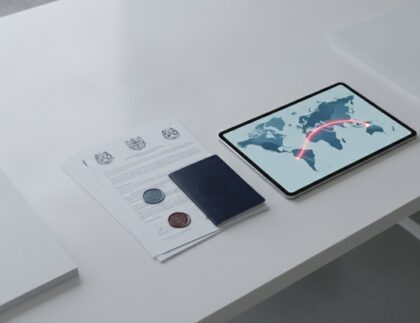
The cornerstone of this process is the Laissez-passer mortuaire, a mandatory permit issued by the Consulate General of France in Sydney or Melbourne. This document acts as a passport for the deceased, ensuring that the remains are recognised and authorised by the French state before they even leave Australian soil. To obtain this, you must submit the deceased’s original passport, the death certificate, and the cremation certificate to the consulate for verification. It’s a step that reflects the French commitment to treating every individual with dignity, even after their passing.
Translation and Apostille Requirements
By 2026, the French Customs (Douane) digital portal has streamlined pre-declarations, but it hasn’t removed the need for linguistic precision. Every Australian certificate must be translated into French by a NAATI-accredited translator. Without these certified translations, the documents needed to send ashes to France from Australia will be considered incomplete, leading to distressing border delays. Additionally, an Apostille stamp is often required to provide international legal recognition of the Australian signatures, ensuring the paperwork carries the necessary weight in a foreign jurisdiction.
Once the consulate approves the application, they will often apply a formal consular seal to the transit container. This seal serves as a protective guardian, notifying customs officials that the contents have been verified and should not be opened during transit, maintaining the sanctity of the remains. If you feel overwhelmed by these diplomatic requirements, you may wish to speak with our specialist team for guidance on managing the consulate liaison. Our Australia to France cremated remains courier service is designed to handle these intricate details with professional composure and care.
Packaging and Logistics: Ensuring Safe Passage to France
Whilst gathering the legal documents needed to send ashes to France from Australia is a vital administrative step, the physical security of the remains is equally paramount. Many families initially consider using standard global couriers like DHL or FedEx, assuming they offer the fastest route. However, it’s a critical distinction that these commercial entities often explicitly prohibit the transport of human remains within their standard terms of service. Relying on general freight networks can lead to distressing delays or even the refusal of the shipment at the point of collection.
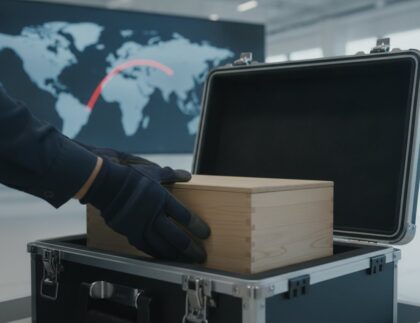
To achieve the highest level of security and discretion, we adhere to the “Double-Box” standard. This involves placing the sealed urn within a primary protective container, which is then cushioned and secured inside a secondary, heavy-duty outer box. This methodical approach ensures that the contents are shielded from the rigours of international transit whilst maintaining a neutral, respectful appearance. Selecting an appropriate vessel is also essential; non-metallic urns, such as those made from high-density plastic, wood, or ceramic, are preferred because they allow for seamless X-ray security screening without the need for officials to open the container.
Professional Packaging Protocols
Our packaging process involves more than just sturdy boxes. We use specialised internal padding to prevent any shifting amongst the outer protective layers during the long-haul flight from Australia to Europe. This stewardship ensures that the urn remains upright and stable throughout the journey. Because non-metallic urns are preferred for seamless X-ray security, they facilitate a smoother passage through both Australian and French customs checkpoints.
Specialist Courier vs. Standard Post
The risks of using standard postal services for irreplaceable remains are simply too high. Standard post lacks the dedicated handling and chain-of-custody protocols required for such a sensitive task. In contrast, specialist bereavement logistics provide real-time tracking and a “human-centric” approach where the shipment is monitored by experts at every stage. This ensures that the documents needed to send ashes to France from Australia remain attached and accessible to the correct authorities at all times. If you require a secure, door-to-door solution, you can request a professional logistics assessment from our team today.
By choosing a dedicated Australia to France cremated remains courier, you ensure that your loved one is never treated as mere “freight”. This distinction provides a sense of order and predictability, allowing you to focus on the emotional aspects of the journey whilst we handle the technical complexities of the transit.

Professional Stewardship: The SpeedLink Solution for France
Managing the logistical chain between Australia and France requires more than just technical expertise; it demands a “people-first” philosophy. At SpeedLink, we act as the ethical guardian of your loved one’s journey, taking full responsibility for the complex documents needed to send ashes to France from Australia. By centralising the administrative process, we remove the bureaucratic burden from grieving families, allowing you to focus on the personal significance of this repatriation. Our door-to-door service provides a seamless transition, moving from the Australian crematorium directly to the final destination in France without the uncertainty of standard freight networks.
Our 2026 tracking system offers a steady hand of reassurance whilst the remains are in transit. This technology provides real-time visibility and a sense of order, ensuring you’re informed at every milestone. Beyond the physical transit, we liaise directly with French funeral directors and local authorities on the ground. This proactive communication ensures that every local regulation is met before arrival, preventing administrative delays at the French border and ensuring a dignified reception in the local commune.
Managing Consular and Customs Liaison
Securing the Laissez-passer mortuaire is a delicate task that requires direct coordination with the French Consulate General. We manage this liaison on your behalf, ensuring that all documents needed to send ashes to France from Australia, including NAATI-accredited translations and Apostilles, are correctly filed and verified. Our expertise in French customs (Douane) digital processing ensures that the pre-declaration is handled with precision, reflecting our commitment to factual accuracy and regulatory compliance.
Your Partner in Bereavement Logistics
Choosing a partner for international repatriation is a decision rooted in trust and integrity. We understand the sensitive emotional state of our clients and prioritise transparent, compassionate communication at every stage. We don’t view this as a transaction, but as a stewardship of a deeply personal task. If you’re ready to begin this process with a reliable partner, you can enquire about our Australia to France ashes courier services. Our team is here to provide the steady guidance and professional composure you need to bring your loved one home.
Ensuring a Dignified Return to French Soil
Navigating international regulations during a time of loss is a significant undertaking, but you don’t have to carry this administrative weight alone. By securing the correct documents needed to send ashes to France from Australia, including the mandatory French Laissez-passer and certified NAATI translations, you’re fulfilling a final act of care with the precision it deserves. It’s essential to remember that specialist handling and the “Double-Box” packaging standard are vital to avoid the risks associated with standard postal services, which often lack the necessary protocols for such a sensitive task.
Our specialist bereavement logistics experts provide comprehensive door-to-door tracking and deep expertise in French consular law to ensure every detail is managed with integrity. We’re here to act as your steady hand, transforming a complex bureaucratic process into a secure and respectful journey home. If you’re ready to take the next step, please request a dignified quote for AU-FR ashes repatriation today. You’ve honoured their memory by seeking the right path, and we’re ready to help you complete this journey with the honour it requires.
Frequently Asked Questions
Can I send human ashes from Australia through a standard courier like DHL?
No, standard couriers like DHL or FedEx don’t accept human remains, as their global networks are built for commercial goods rather than sensitive repatriations. Their terms of service typically prohibit the transport of cremated remains. Attempting to use these services can lead to the shipment being intercepted or refused at a hub, which is why a specialised bereavement courier is necessary to provide dedicated handling and legal compliance.
How long does it take to get the documents for sending ashes to France?
Collecting all documents needed to send ashes to France from Australia usually takes between three and four weeks. This window allows for the state registry to issue the death certificate, the completion of NAATI-certified translations, and the French Consulate’s review of the Laissez-passer application. Whilst 2026 digital processing has improved efficiency, starting the paperwork as soon as possible helps maintain a calm and orderly process.
Does the urn need to be sealed by a funeral director before shipping to France?
Yes, the urn should be professionally sealed by a funeral director or the crematorium staff to meet international transit standards. They will issue a formal statement confirming the vessel is sift-proof and contains nothing but human remains. This professional certification is essential for satisfying both airline security and French customs, ensuring there are no questions regarding the contents or the safety of the container during the journey.
What happens if the ashes arrive in France without a Laissez-passer?
Arriving without a Laissez-passer will almost certainly lead to the ashes being held or seized by French Customs officials. Because France has strict laws regarding the movement of remains, this permit is a non-negotiable requirement for legal entry. Resolving a missing permit after the shipment has already reached the border is a difficult and lengthy administrative task that can cause significant emotional distress for the family.
Are there specific weight limits for shipping ashes from Australia to France in 2026?
Most airlines and specialist couriers adhere to a weight limit of 7kg for the entire package. This limit covers the cremated remains, the urn, and the protective “Double-Box” packaging used for physical security. We suggest using a sturdy, non-metallic urn to ensure the package remains within these limits whilst allowing for clear X-ray screening at the border without the need to open the vessel.

Article by
David McMillen
I started my career in logistics over 30 years ago which has spanned 2 continents and several different types of courier and logistics operations. I lost my dear Mum back in 2016 and it was in the aftermath of her passing that SpeedLink Repatriation was born. We have endeavoured to bring the same care and attention to all of our clients as my mum received and to date we have helped repatriate hundreds of individuals across the globe.
Disclaimer
International requirements for cremated remains vary by origin, destination, carrier and method of transport and may change without notice.
Content is provided as general guidance and should not be treated as legal advice.
Where necessary, current requirements should be confirmed with the relevant government authority, customs authority, embassy, consulate, postal operator, airline or carrier.
SpeedLink can advise on the requirements applicable to a specific shipment.