Imagine the profound weight of holding a loved one’s final remains, only to be confronted by a complex wall of international bureaucracy and the cold uncertainty of a cargo terminal. You’re likely feeling a deep sense of anxiety at the thought of cremated remains being treated as mere freight whilst you’re still navigating the early stages of loss. It’s entirely natural to feel overwhelmed by the differing national regulations and the technical precision required for customs clearance for human ashes.
We understand that this isn’t just a logistical task; it’s an act of stewardship and a final promise kept. This 2026 repatriation guide is designed to replace your uncertainty with a sense of calm and control. We’ll provide a clear checklist of the essential documents you’ll need, explain the latest IATA classifications for exempt remains, and show you how a secure, door-to-door solution maintains the dignity your loved one deserves. By the end of this article, you’ll have a professional roadmap to ensure their journey home is handled with the utmost care and integrity.
Key Takeaways
- Understand the ‘Three Pillars’ of essential documentation, including why a ‘Freedom from Infection’ statement is critical for crossing international borders.
- Learn how specialised bereavement logistics manage the complexities of customs clearance for human ashes to ensure a seamless and respectful transition.
- Discover the ‘Double Containment’ rule for professional packaging, providing a secure and discreet transport solution that protects remains throughout the journey.
- Identify why a dedicated door-to-door service is a more dignified and reliable alternative to standard couriers or the stress of self-carrying through airport security.
- Gain insights into how urn material choices impact weight calculations and logistical planning under the latest 2026 international transit regulations.
What is Customs Clearance for Human Ashes?
Customs clearance for human ashes is the formal process of legal verification and regulatory approval required for cremated remains to cross international borders. It’s a critical step that ensures all health and safety protocols are met, preventing delays that could distress a grieving family. Unlike the repatriation of a body, which involves complex embalming certificates and sealed zinc-lined coffins, the process for ashes is often more streamlined but remains highly sensitive. It’s about more than just paperwork; it’s the legal bridge that allows a loved one to return home.
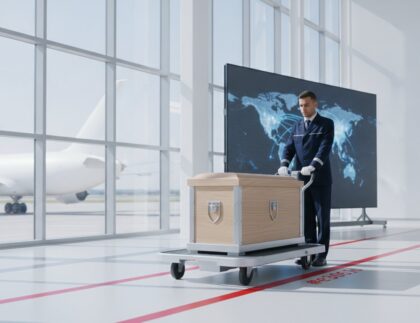
Under the latest 2026 IATA guidelines, cremated remains are classified as ‘exempt human remains’ for air transit. This specific designation means they don’t carry the same biohazard risks as uncremated bodies, yet they still require precise handling. Professional bereavement logistics focus on maintaining a dignified chain of custody, ensuring that remains are never lost amongst general freight or left unattended in a cargo terminal. This specialised approach distinguishes the process from standard shipping, treating the remains with the respect they deserve.
The Concept of Logistical Stewardship
We believe that human remains require a ‘people-first’ approach. Standard freight processing is often transactional and cold; logistical stewardship is the opposite. It involves a dedicated courier who acts as an ethical guardian, managing every interaction for customs clearance for human ashes on your behalf. This ensures that the remains are handled with professional composure from the moment they leave the crematorium until they reach their final destination.
This specialised care is part of the broader history of the Repatriation and reburial of human remains, where the focus has always been on returning individuals to their place of rest with honour. Having a single point of contact for customs clearance for human ashes provides immense relief. It removes the burden of technical jargon and international law from your shoulders during an already difficult time, allowing you to focus on your own journey of remembrance.
Essential Documentation for International Ashes Transport
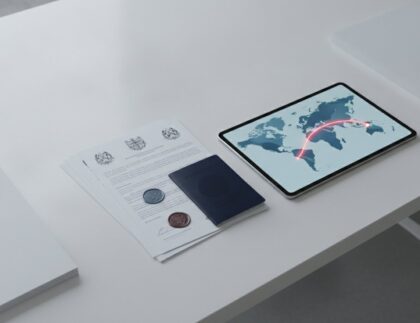
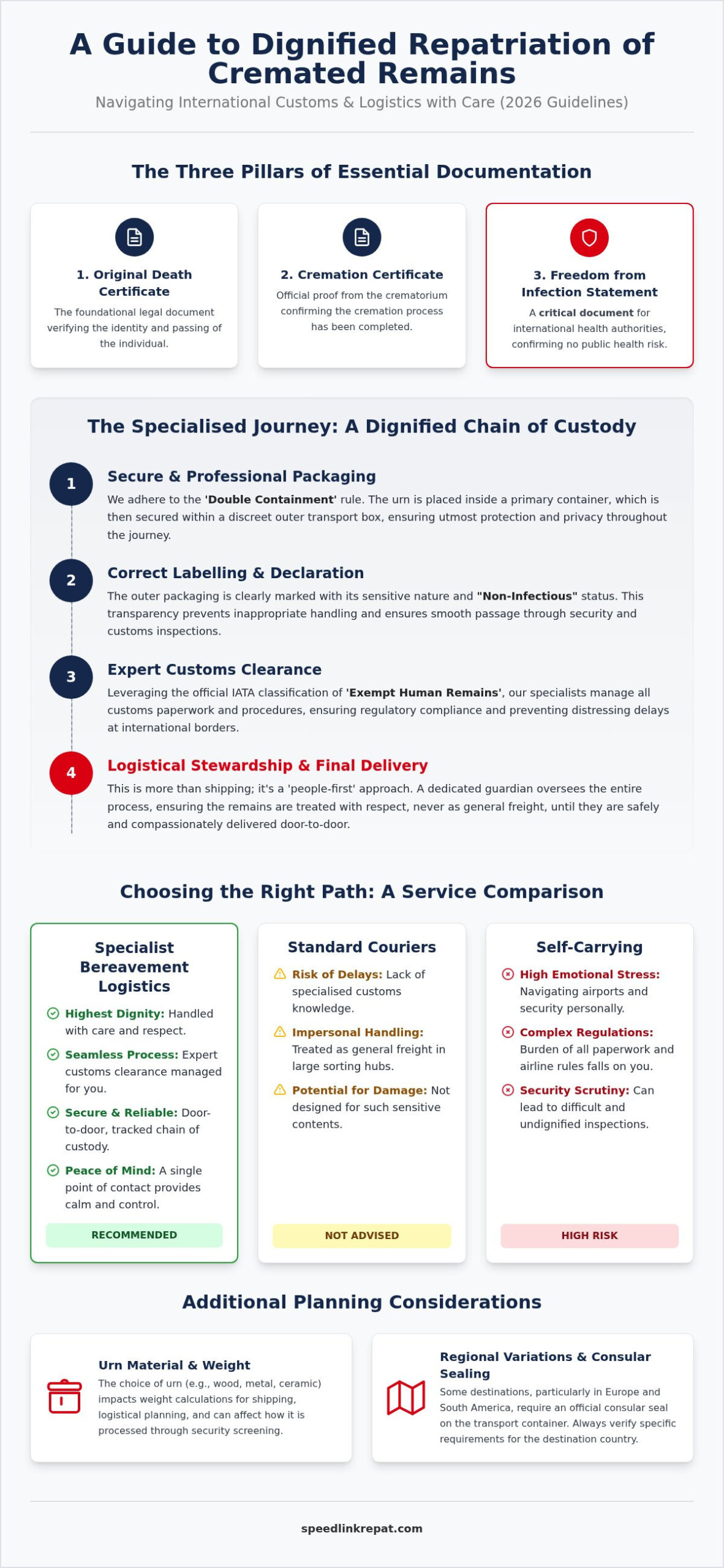
Securing the correct paperwork is the bedrock of a successful journey home. Without precise documentation, the process of customs clearance for human ashes can become stalled by administrative queries. We categorise these requirements into the ‘Three Pillars’ of documentation. These include the Original Death Certificate, the Cremation Certificate issued by the crematorium, and a Non-Infectious Note, sometimes referred to as a ‘Freedom from Infection’ statement. This third document is vital for satisfying international health authorities that the remains pose no risk to public health.
Whilst requirements vary by destination, the CDC requirements for importing human remains provide a helpful baseline for those moving remains into the United States. For the USA to UK corridor, specific regulatory nuances apply. You must ensure that the customs declaration accurately reflects the nature of the contents. Failing to do so can lead to remains being incorrectly categorised as general merchandise, which lacks the priority and dignity required for bereavement logistics. If you’re unsure about the paperwork required for your specific route, you might find it helpful to speak with a specialist for a document review.
Consular Sealing and Regional Variations
Some destination countries require more than just the standard three pillars. You may find that certain nations insist on ‘consular sealing’, where an official from the destination country’s consulate must witness the urn being placed into its transport container and apply an official seal. This is common for repatriations to certain European and South American countries. Managing these regional variations is where specialised brokers add significant value, particularly when arranging cremated remains transport from the USA to Ireland, where local requirements can differ from broader EU standards.
Labelling and Declaration Standards
Correct labelling is an act of protection. The outer packaging should be clearly marked to indicate its sensitive contents, ensuring that customs officials handle the package with professional composure. We recommend that the ‘Non-Infectious’ status is clearly visible on the exterior for air transit security. This transparency prevents unnecessary inspections and ensures the remains move through the customs clearance for human ashes process without being subjected to standard cargo x-ray procedures that might be inappropriate for a memorial urn. Clear, formal labelling serves as a silent advocate for your loved one throughout their transit.
Professional Packaging and Bereavement Logistics
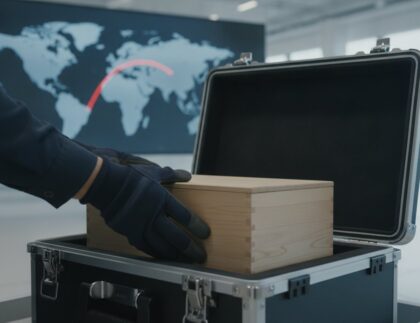
Physical protection is as vital as legal compliance. We adhere to the ‘Double Containment’ rule, which involves placing a secure internal urn within a discreet, shock-absorbent outer shipping box. This ensures the remains are protected from the rigours of transit whilst maintaining a respectful, unassuming appearance. The choice of urn material, whether it be marble, metal, or wood, directly impacts logistical planning. Heavier materials like stone or metal increase weight calculations and may require specific handling protocols to prevent damage during the customs clearance for human ashes process.
Secure storage plays a pivotal role in the chain of custody. There are times when remains must be held in a respectful, climate-controlled environment whilst awaiting final customs clearance for human ashes or the finalisation of scattering arrangements. This provides a necessary buffer, ensuring that the remains are never left in unsuitable cargo environments. This methodical approach ensures that every detail is handled with precision and care, maintaining the dignity of the remains throughout their journey.
Splitting Ashes for Global Memorials
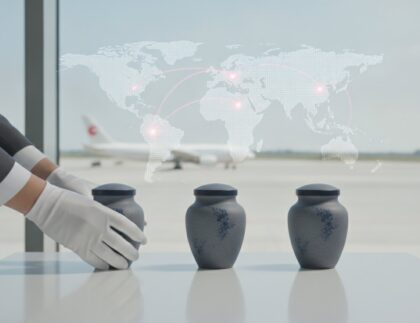
Families frequently choose to memorialise their loved ones in multiple locations across the globe. Our ashes splitting service allows for the respectful division of remains, which are then transported to different destinations. Coordination is key here, as each portion requires its own set of documentation and logistical oversight. For instance, we regularly assist families in organising ashes courier services from Canada to Europe, ensuring that every part of the journey is managed with the same level of care and dignity.
Preparing the Urn for Air Transit
Security screening is a necessary part of air travel, but it can be managed respectfully. We ensure that containers are X-ray compatible, typically favouring materials like wood, biodegradable cardboard, or specific high-density plastics that allow security officials to verify the contents without opening the urn. Lead-lined urns should be strictly avoided for international air transport as they are opaque to security scanners and will inevitably cause significant delays or even refusal of transit. If you need assistance selecting a transit-suitable container, you can request a professional packaging consultation to ensure your urn meets all international standards.
Choosing a Specialist for Dignified Door-to-Door Repatriation
Selecting the right transport method is a decision that impacts both your peace of mind and the dignity of the remains. Many families initially consider ‘self-carry’ options or standard airport freight to manage costs. However, these methods often lead to significant stress at airport cargo terminals, where individuals are left to navigate complex administrative hurdles alone. Standard couriers like DHL or national postal services frequently have strict prohibitions against the transport of human remains. Attempting to use these channels can result in remains being held or refused, adding unnecessary trauma to an already difficult time.
SpeedLink Repatriation provides a dignified alternative by organising the entire journey from collection at the crematorium to final delivery. Our door-to-door service ensures that remains never enter the general cargo stream or wait in cold freight warehouses. By acting as a single point of contact, we manage all bereavement logistics and customs clearance for human ashes on your behalf. This stewardship approach ensures the remains are treated with personal attention, providing a sense of security that standard logistics simply cannot offer.
The Value of Expert Coordination
Expert coordination is also a vital support for funeral directors who may not specialise in international transit. By outsourcing these complex logistics, funeral homes can focus on supporting the family whilst we handle the technical intricacies of 2026 regulatory compliance. We maintain constant communication and provide real-time updates throughout the transit. This transparency is essential for maintaining professional composure, ensuring you’re never left wondering about the status of your loved one’s journey.
Global Reach for Final Scattering
Our global network supports families in planning memorial ceremonies across the world. Coordinated delivery is essential for international scattering events, where timing and reliability are paramount. Whether you require ashes courier services from Australia to Europe or transport between other continents, we ensure the customs clearance for human ashes is handled with precision. This allow families to gather for a final farewell, confident that every detail has been managed with the utmost integrity and care.
Restoring Peace of Mind to Your Loved One’s Journey Home
Bringing a loved one home requires a delicate balance of legal precision and emotional care. We’ve explored how the ‘Three Pillars’ of documentation provide the necessary legal foundation, whilst professional ‘Double Containment’ packaging ensures physical security throughout transit. By choosing X-ray compatible materials and a dedicated courier, you avoid the indignity of remains being treated as general freight or delayed at busy cargo terminals. These steps are essential for maintaining a dignified chain of custody across international borders.
Managing the complexities of customs clearance for human ashes is a task that demands both technical mastery and a human-centric philosophy. SpeedLink Repatriation focuses exclusively on the courier of cremated remains, offering specialised expertise in the USA to UK corridor and across the globe. Our dignified door-to-door service includes real-time tracking, giving you constant visibility and the reassurance that your loved one is being handled with the utmost stewardship and integrity.
If you’re ready to take the next step, please request a dignified quote for bereavement logistics and customs clearance. You don’t have to navigate these regulations alone; we’re here to provide the steady hand and professional composure you need to ensure a respectful return.
Frequently Asked Questions
Can I send human ashes through standard international post or DHL in 2026?
You cannot typically use standard international post or general couriers like DHL for this sensitive task. Most national postal services, including Royal Mail, prohibit the international transit of human remains amongst their general mail streams. Using a non-specialist courier risks the remains being held or refused at the border. A specialised courier ensures the journey is managed with the professional composure and legal oversight required for such a personal cargo.
What documents are required for customs clearance of human ashes?
The process of customs clearance for human ashes requires three primary documents to ensure a smooth transition across borders. You’ll need a certified Death Certificate, a Cremation Certificate from the crematorium, and a ‘Non-Infectious’ note from a medical professional. Some specific countries may also require consular sealing or additional embassy clearance. Having these documents prepared in advance prevents administrative delays and ensures that the remains are treated with the dignity they deserve.
Will customs officers open the urn during international transit?
Customs officers rarely open an urn if it’s made from X-ray transparent materials that allow for non-intrusive inspection. We recommend using containers made of wood, biodegradable cardboard, or specific plastics that allow security to verify the contents without physical inspection. Avoiding metal or lead-lined urns is crucial; these are opaque to scanners and may lead to a respectful request for the container to be opened for manual verification by authorities.
How much does it cost to organise international customs clearance for ashes?
The cost for managing customs clearance for human ashes depends on the specific international route, the weight of the urn, and the urgency of the transit. Whilst shipping cremated remains is significantly more cost-effective than full-body repatriation, prices vary based on the level of door-to-door stewardship provided. A specialist will provide a bespoke quote that covers all administrative fees and logistical handling to ensure a secure, dignified journey home for your loved one.
Is it possible to split ashes and ship them to different countries simultaneously?
Yes, it’s entirely possible to split ashes and have them transported to different global locations at the same time. Our ashes splitting service is designed for families who wish to hold memorial ceremonies or scatterings in multiple countries. We coordinate the respectful division of the remains and manage the separate documentation and customs requirements for each individual destination. This ensures that every portion of the remains is handled with the same level of care and integrity.

Article by
David McMillen
I started my career in logistics over 30 years ago which has spanned 2 continents and several different types of courier and logistics operations. I lost my dear Mum back in 2016 and it was in the aftermath of her passing that SpeedLink Repatriation was born. We have endeavoured to bring the same care and attention to all of our clients as my mum received and to date we have helped repatriate hundreds of individuals across the globe.
Disclaimer
International requirements for cremated remains vary by origin, destination, carrier and method of transport and may change without notice.
Content is provided as general guidance and should not be treated as legal advice.
Where necessary, current requirements should be confirmed with the relevant government authority, customs authority, embassy, consulate, postal operator, airline or carrier.
SpeedLink can advise on the requirements applicable to a specific shipment.