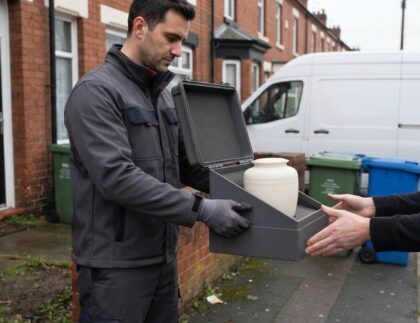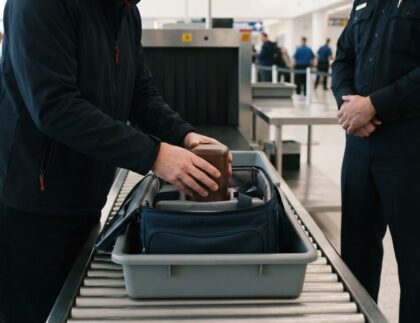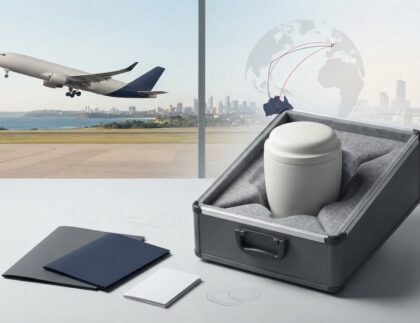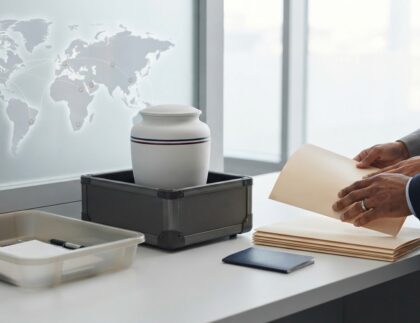
You can take or send cremated remains from the US to the UK without UK permission. For ashes transportation to the UK, carry or include a copy of the state-issued death certificate and a crematorium letter confirming the urn’s contents. A cremation certificate is also useful. A non-metallic urn is recommended because it can be screened.
It’s understandable to want clear instructions before making arrangements, especially when travelling with a loved one’s ashes. This article covers the documents to prepare, the difference between carrying ashes yourself and sending them, and how transport can reach mainland UK destinations. You’ll also learn what to consider when choosing a transport option, so you can plan your next steps with greater confidence.
Key Takeaways
- You can choose between travelling with ashes and arranging an unaccompanied shipment; the practical steps differ.
- Prepare the documents that show the death and cremation took place, and that the container holds the deceased’s ashes.
- Understand how screening, packaging and customs declarations affect the transport arrangements from the US.
- Mainland UK delivery can help carry the arrangements beyond the arrival point, with the destination shaping the final leg.
Can I take or send cremated remains (ashes) to the UK?
Yes. You can carry ashes yourself or arrange a separate shipment from the United States to the United Kingdom. For ashes transportation to the UK, the method you choose determines the packaging, paperwork and customs steps.
Shipping ashes from the US to the UK
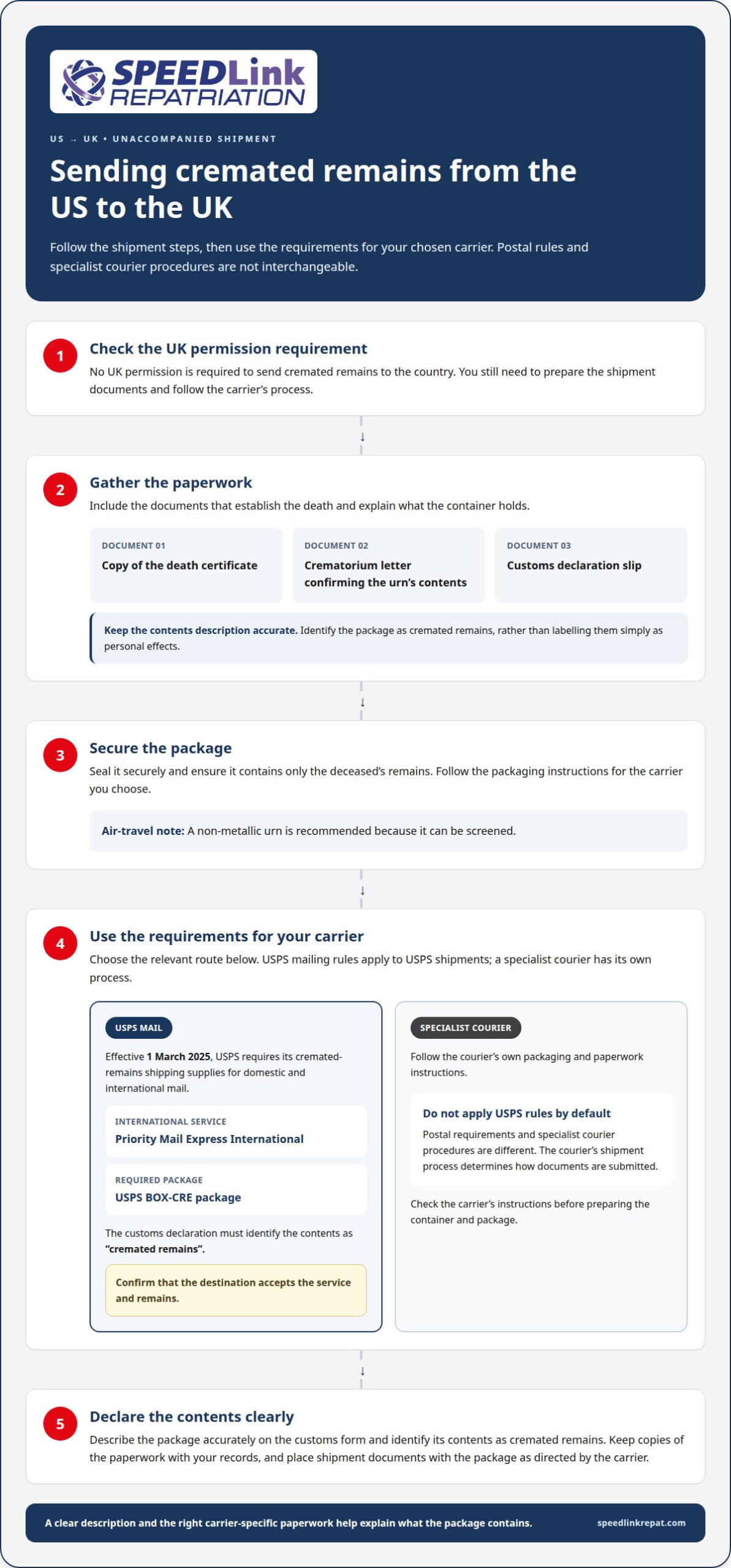
An unaccompanied shipment should include a copy of the death certificate, a crematorium letter confirming the urn’s contents and a customs declaration slip. Seal the package securely and ensure it contains only the deceased’s remains. Describe the contents accurately on the customs form, rather than labelling them simply as personal effects.
USPS has specific requirements for mailing cremated remains. Effective March 1, 2025, it requires its cremated-remains shipping supplies for domestic and international mail. International shipments must use Priority Mail Express International and a USPS BOX-CRE package. Confirm that the destination accepts the service and remains. The customs declaration must identify the contents as “cremated remains”.
Postal rules differ from specialist courier procedures. For a courier shipment, follow the carrier’s packaging and paperwork instructions rather than applying USPS requirements.
Permission to carry or send ashes
No UK permission is required to carry or send cremated remains to the country. If you’re travelling with the urn, keep a copy of the state-issued death certificate and cremation certificate accessible. A crematorium letter verifying the contents can also help explain the package during screening or inspection.
A non-metallic urn is recommended for air travel because it can be screened. Declare the package’s contents to US and UK customs officials, and keep the documents to hand. A securely sealed container and clear paperwork help explain what it holds.
Documents needed when travelling with ashes from the US to the UK
Keep the paperwork with the remains, not packed separately in checked luggage. The documents identify the deceased and explain what the container holds.
Travel paperwork and funeral-director assistance
For travel from the US to the UK, carry a copy of the state-issued death certificate and a crematorium letter verifying the urn’s contents. A cremation certificate is also useful evidence of the cremation. Keep these documents accessible during the flight, so you can present them if customs officials ask about the remains.
A funeral director or crematorium can help provide the relevant records. If you’re unsure whether customs must be notified, contact the destination country’s embassy for guidance on its requirements.
Paperwork for unaccompanied shipments
When ashes travel separately, include a copy of the death certificate, the crematorium letter and a customs declaration slip. The declaration should accurately identify the package as cremated remains. Keep copies of the paperwork with your records, and place the required shipment documents with the package as directed by the carrier.
USPS has its own mailing process, including specific packaging and service requirements. Those postal rules don’t automatically apply to a specialist courier, whose own shipment process determines how documents are submitted.
For transport from the UK to the US, the accompanying documents include a certified copy of the local death certificate, the cremation certificate and a statement from the crematorium or funeral home confirming the urn contains only the deceased’s ashes. Documents not in English should include a translation. Travellers arriving in the US must declare the remains using Customs Declaration Form 6059B. For help organising international paperwork, request assistance with your arrangements.
Mainland UK ashes transportation coverage
You can transport ashes within the UK by carrying them yourself or arranging a courier. The destination and delivery arrangements shape the practical route.
Areas covered across mainland UK
Domestic transport can connect a collection point with a mainland UK destination, including addresses in England, Scotland and Wales. The delivery location matters: an airport collection, funeral home or family address may involve different arrangements. For England, standard transport takes 2-4 working days; Northern Ireland journeys take approximately 6-7 working days. These timescales differ, so identify the destination before planning onward arrangements.
One reported delivery over a few hundred miles took two days, but that example isn’t a timetable for every journey. Distance, collection point and final destination all affect the route.
Transporting ashes within the UK
To move ashes yourself, keep them securely contained and carry relevant documents, such as the death certificate and cremation certificate. If your journey involves an airport or airline, review the carrier’s requirements for the container and screening. Rules for international travel differ from domestic arrangements, so don’t assume one country’s regulations apply across borders.
For a road delivery, provide the collection and destination details so the journey can be arranged appropriately. This clarifies whether the ashes need to reach a funeral director, family member or another agreed address.
Posting or couriering ashes
Standard postal or parcel networks are not recommended for ashes. A specialist courier can transport cremated remains under its service rules, with secure packaging and clear handling instructions. The package should be sealed and contain only the deceased’s remains. Ask about the shipment process before preparing the container, since postal requirements and courier procedures are not interchangeable.
For domestic delivery, a specialist service can manage collection and onward transport. A death certificate and cremation certificate can help document the contents during handling.
SpeedLink Repatriation
SpeedLink Repatriation helps families arrange international transport of cremated remains from the United States to the UK, followed by delivery to a mainland destination. Its International Ashes Repatriation and UK Domestic Ashes Delivery Service cover the two stages: crossing borders and completing the journey within the UK.
Turn to SpeedLink when you need help coordinating transport, packaging, customs requirements or final-mile delivery. The arrangements depend on the collection point, destination and whether ashes are travelling with a family member or separately. SpeedLink also provides bereavement logistics, including an Ashes Splitting Service for families dividing remains for separate arrangements.
For help planning transport for your circumstances, contact SpeedLink Repatriation.
Plan the next arrangements with care
Planning ashes transportation to the UK from the US is also a good time to consider what should happen after arrival. Decide who will receive the remains, where they need to go next and whether any family arrangements depend on their arrival. Clear plans for the receiving address and handover can help keep the journey aligned with your family’s wishes.
SpeedLink Repatriation can support families with the practical coordination involved. Share the origin, destination and intended delivery details when discussing the next step. This gives the transport plan a clear purpose and connects the journey with what matters to your family.
Take the process one step at a time. A clear plan can make the arrangements feel more manageable.
Frequently Asked Questions
How Does It Work?
For a managed shipment, provide the collection point, destination and preferred delivery arrangements. SpeedLink Repatriation coordinates cremated-remains transport, professional packaging and customs documentation assistance. For example, a family sending an urn to a relative can explain who will receive it and where it should be delivered. These details help shape the transport plan around the family’s arrangements.
How do you travel with an urn?
Keep the urn secure and accessible during your journey, rather than placing it inside luggage you cannot reach. Before flying, ask the airline about its cabin-baggage rules and how it handles urn screening. A sturdy, non-metallic container can make screening easier. Carry supporting paperwork with you, so you can explain the urn’s contents if asked.
What are the rules for carrying ashes on UK trains, buses, and ferries?
There isn’t one set of carrier rules for every UK train, bus and ferry operator. Before travelling, contact the operator with your route and explain that you’ll carry an urn. Ask about baggage limits, safe storage during the journey and any required documentation. Keep the container closed and secure, and allow time to resolve questions before departure.
Can you take cremated ashes on a domestic flight in the UK?
You can plan to travel with ashes on a UK domestic flight, but the airline’s requirements determine how the urn may be carried. Ask whether it can travel in the cabin, what screening arrangements apply and whether the container must meet specific conditions. Keep the urn and supporting documents accessible, particularly if your itinerary includes a connecting flight.
What documents are needed to transport ashes in the UK?
For a UK journey, keep the death certificate and cremation certificate available as supporting records. A courier may also need shipment details, including the collection address, delivery destination and named recipient. For example, if ashes are going to a funeral director, provide the organisation’s delivery details. This helps anyone handling the shipment identify its intended destination.

Article by
David McMillen
I started my career in logistics over 30 years ago which has spanned 2 continents and several different types of courier and logistics operations. I lost my dear Mum back in 2016 and it was in the aftermath of her passing that SpeedLink Repatriation was born. We have endeavoured to bring the same care and attention to all of our clients as my mum received and to date we have helped repatriate hundreds of individuals across the globe.
Disclaimer
International requirements for cremated remains vary by origin, destination, carrier and method of transport and may change without notice.
Content is provided as general guidance and should not be treated as legal advice.
Where necessary, current requirements should be confirmed with the relevant government authority, customs authority, embassy, consulate, postal operator, airline or carrier.
SpeedLink can advise on the requirements applicable to a specific shipment.