Imagine standing at an airport check-in desk, heart heavy with grief, only to be told that your loved one’s remains cannot board the aircraft because of a missing permit or an unapproved container. It’s a distressing scenario that no family should face during a time of bereavement. When you’re planning an ashes scattering ceremony abroad, the simple desire to fulfil a final wish often clashes with a bewildering wall of international regulations and airline policies.
We believe that you should be allowed to focus on the memorial itself rather than the bureaucracy of transport. It’s entirely natural to feel overwhelmed by the fear of customs delays or the complexity of foreign paperwork whilst you’re still mourning. This guide provides the professional clarity you need to handle every legal requirement with total confidence. We’ll examine essential documentation, secure transport methods, and local scattering laws to ensure your loved one reaches their destination safely for a beautiful, uninterrupted ceremony.
Key Takeaways
- Understand the legal framework of international repatriation to ensure you have the correct authorisation and ownership rights before crossing borders.
- Evaluate the benefits of using a professional courier service over hand-carrying to avoid the emotional strain of airport security and the risk of customs delays.
- Identify the essential documents required for 2026 compliance, including the “Freedom from Infection” statement and cremation certificates.
- Learn how to navigate local permits and logistics when planning an ashes scattering ceremony abroad to ensure a private and respectful farewell.
- Discover how ashes splitting services can facilitate multiple memorials, allowing families to honour their loved one in several meaningful global locations.
Understanding the Legalities of Scattering Ashes Internationally
The process of moving cremated remains across international borders is formally known as international ashes repatriation. It is a task that requires both emotional resilience and meticulous attention to detail. When you’re planning an ashes scattering ceremony abroad, you aren’t just moving a personal item; you’re managing the legal transition of human remains between two different legal systems. This involves more than just airline rules; it requires compliance with the sovereign laws of your destination.
One of the most complex aspects is the concept of legal ownership. In many jurisdictions, the right to possess ashes rests with the executor of the estate, but this authorisation must be clearly documented to satisfy foreign officials. Because every nation maintains its own rules, your essential first step is always to contact the destination country’s embassy. They provide the definitive list of entry requirements, which often include specific permits that must be obtained weeks before you intend to travel.
The Dual Nature of Compliance: Transport vs. Disposal
It’s vital to recognise that getting ashes into a country is a separate legal hurdle from scattering them once you arrive. Transport regulations focus on customs, health, and security, whereas scattering laws focus on environmental impact and land use. If you intend to hold a ceremony at sea, maritime laws may apply, requiring you to stay a specific distance from the shoreline. Understanding Cremation and handling of ashes from a global perspective helps in identifying which permits are needed for the journey versus those required for the final farewell.
Cultural Sensitivities and Local Restrictions
Local regulations are often shaped by deep-seated religious or cultural norms. Some regions may strictly prohibit scattering in public parks or near sacred sites, whilst others might require written permission from municipal authorities. Always seek consent from local landowners or local councils to avoid legal complications during the ceremony. If your journey involves specific routes, such as moving remains from USA to Italy, you’ll find that local Italian prefectures have very specific rules regarding the final disposition of remains that must be settled before you depart.
Transport Options: Hand-Carrying vs. Professional Courier Services
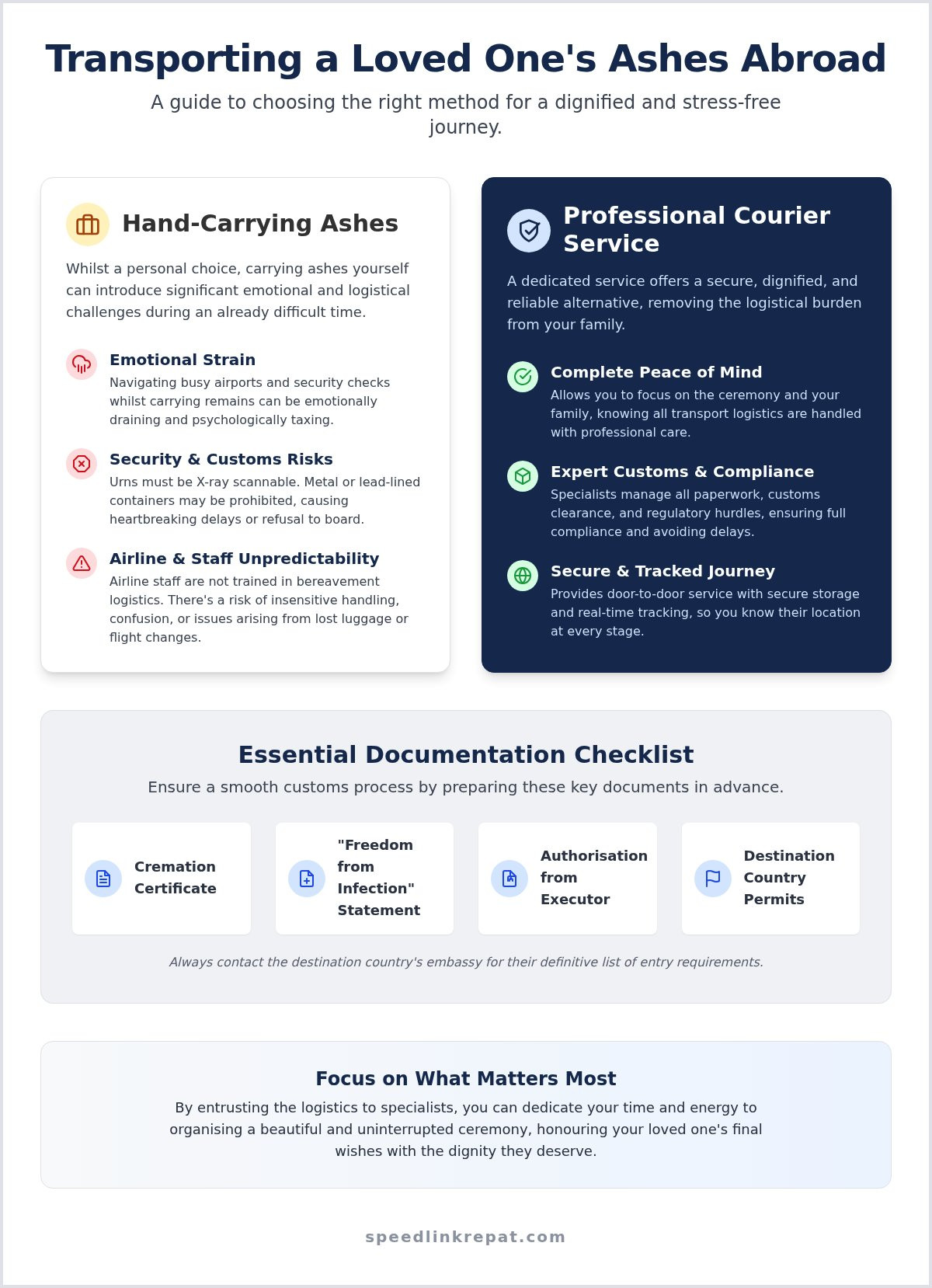
Deciding how to physically transport remains is a pivotal moment in planning an ashes scattering ceremony abroad. Whilst many people initially consider carrying the urn as hand luggage, this choice brings a significant psychological and logistical burden. Navigating a busy airport terminal whilst holding the remains of a loved one can be emotionally draining, especially when faced with the unpredictability of security checkpoints and customs halls.
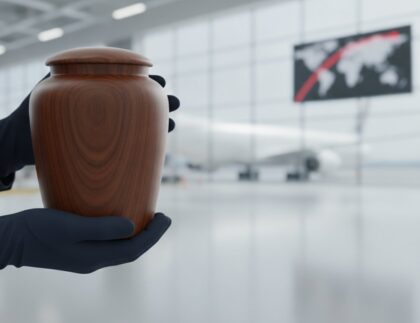
A critical detail families often overlook is the requirement for “non-invasive inspection.” International security protocols, such as those set by the TSA, require that urns must be scannable by X-ray. If the container is made of lead or certain metals that the X-ray cannot penetrate, security staff may be forced to prohibit the urn from boarding. This can lead to heart-breaking delays or the indignity of having to leave the remains behind. Using a travel-safe urn made of wood, plastic, or biodegradable material is essential for those who choose the hand-carry route.
The Risks of Commercial Flight Transit
Commercial airlines frequently allow the carriage of ashes, but it’s important to remember that cabin crew and ground staff are not specialists in bereavement logistics. Their primary focus is safety and efficiency, not the delicate handling of human remains. This lack of specialised training increases the risk of insensitive handling or confusion during boarding. Additionally, the risk of lost luggage or flight cancellations adds an unnecessary layer of anxiety to an already difficult journey.
Why Specialist Bereavement Logistics Offer Peace of Mind
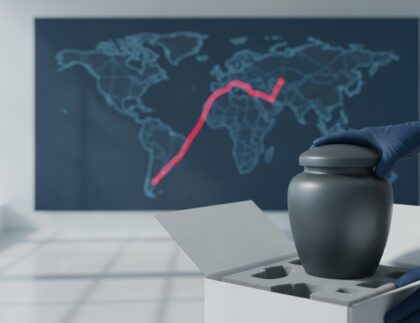
The most dignified alternative is a dedicated door-to-door courier service. This model removes the logistical weight from your shoulders, ensuring the remains are handled by professionals who understand the gravity of their task. Specialist couriers provide secure storage and real-time tracking, allowing you to monitor the journey at every stage. For those moving remains across the Atlantic, utilising a professional USA to UK ashes courier service ensures that all customs clearance and regulatory hurdles are managed by experts before you even arrive at the destination.
If you’re unsure which transport method best suits your family’s needs, you can speak with our repatriation specialists for compassionate guidance on the safest options available.
Essential Documentation and Customs Compliance for 2026
Securing the correct paperwork is often the most daunting phase of planning an ashes scattering ceremony abroad. Whilst a standard death certificate is necessary, it is rarely sufficient on its own for international transit. To satisfy both airline security and foreign customs officials, you must compile a specific portfolio of documents that verify the identity and safety of the remains. This transparency is the only way to ensure a dignified journey without administrative delays.
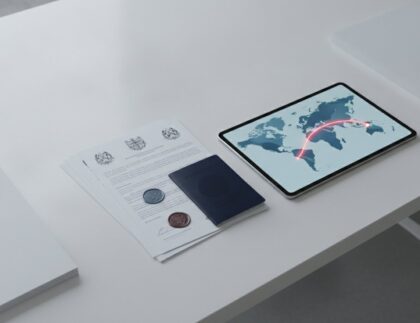
Every international shipment requires three core documents: the original Death Certificate, the Cremation Certificate, and a Non-Infectious Disease Certificate. The latter, often referred to as a “Freedom from Infection” statement, is a formal declaration confirming that the remains pose no risk to public health. Depending on your destination, you may also require a Consular Declaration or an Apostille. In 2026, Apostille certification typically costs between $10 and $25 per document, and it serves as a globally recognised verification of the document’s authenticity.
Navigating Customs Clearance Overseas
Transparency is your greatest asset when dealing with border officials. A clear “declaration of contents” prevents the suspicion that can lead to invasive inspections. Using a specialist courier that understands the specific nuances of long-haul routes, such as Australia to Europe cremated remains courier services, ensures that all local transit permits are secured before the remains even leave the country of origin. This proactive approach manages the “logistical bridge” that many families find overwhelming.
Packaging for International Transit
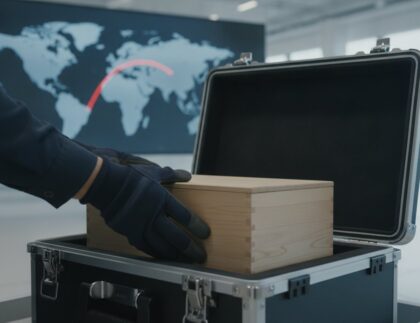
Customs compliance also extends to the physical container. You must choose an urn that is “security-friendly,” typically made of wood, ceramic, or biodegradable materials, as these allow for clear X-ray scanning. Beyond the urn itself, international courier standards require a robust, discreet outer shipping container. This secondary layer protects the urn from damage whilst maintaining the privacy and dignity of the remains throughout the journey.
If you need assistance gathering these documents or ensuring your packaging meets global standards, contact our bereavement logistics team for expert support.
Organising the Ceremony and Managing Bereavement Logistics
Once the remains have arrived safely at their destination, the focus shifts to the memorial itself. When you are planning an ashes scattering ceremony abroad, success relies on situational awareness beyond the initial transport. To ensure the day proceeds without interruption, consider these practical final steps:
- Weather conditions: Checking wind direction is essential for a respectful scattering, particularly for land or cliffside ceremonies.
- Local permits: Even with the ashes in the country, specific sites like national parks or private estates may require a final check of permissions.
- Timing for privacy: Many families prefer sunrise or sunset to avoid crowds in public spaces and ensure a quiet environment.
- Biodegradable urns: Choosing a water-soluble or earth-friendly vessel ensures compliance with local environmental regulations and allows for a gentle farewell.
A logistics partner acts as your steady hand during this time, often coordinating with local celebrants or authorities at the destination to ensure all preparations are in place before you arrive. This bridge between transport and the ceremony itself is what ensures a seamless experience.
The Logistics of Shared Memories: Ashes Splitting
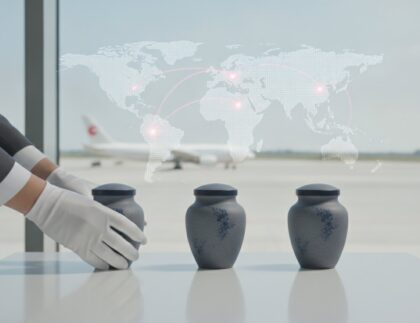
Families are increasingly global, with relatives often spread across different continents. Professional ashes splitting allows family members in different countries to hold their own meaningful memorials without the stress of managing multiple international shipments themselves. SpeedLink Repatriation can manage the secure splitting of remains and the subsequent transport to multiple destinations, ensuring each portion is handled with equal care and dignity. This service allows a single life to be honoured in every corner of the world that held significance for them.
The Final Farewell: Coordination and Support
Not every family is able to travel to the final destination. In these cases, a Global Ashes Scattering service provides a dignified alternative, where professionals carry out the ceremony on your behalf at a chosen location. This ensures the loved one’s final wishes are fulfilled even when travel isn’t possible. Ultimately, professional bereavement logistics exist to take the weight of paperwork and transport off your shoulders. This structured approach allows you to focus entirely on the emotional significance of the day, confident that every technical detail has been managed with precision.
Ensuring a Dignified Global Farewell
Fulfilling a loved one’s final wish shouldn’t be overshadowed by the stress of international regulations. As we’ve explored, the success of planning an ashes scattering ceremony abroad relies on a delicate balance of meticulous documentation and secure transit. By prioritising “security-friendly” urns and ensuring all health certifications are in order for 2026 standards, you remove the risk of distressing delays at the border. Whether you’re utilising ashes splitting services for multiple global memorials or coordinating a single seaside farewell, the logistical details must be handled with precision to protect the dignity of the remains.
We’re here to serve as your steady hand throughout this complex process. Our team provides specialist door-to-door bereavement logistics and expert customs clearance management with a compassionate, people-first approach. We take the weight of international paperwork and transport off your shoulders, allowing you to focus entirely on the emotional significance of the memorial. Your peace of mind is our priority as we bridge the gap between your home and your loved one’s final resting place.
Enquire about our International Ashes Repatriation services today to discuss how we can support your family’s journey. You don’t have to navigate these legal hurdles alone; we’re ready to help you honour those final wishes with the care and respect they deserve.
Frequently Asked Questions
Is it legal to take human ashes to another country for scattering?
Yes, it is generally legal, provided you comply with the sovereign laws of the destination country. Whilst many nations allow the entry of cremated remains, the specific rules for scattering vary; some countries require permits for public land or have strict maritime regulations for ceremonies at sea. It is essential to verify both the import requirements and the local disposal laws before you depart.
Which documents do I need to ship ashes internationally in 2026?
In 2026, the standard requirement for international transit includes the Death Certificate, the Cremation Certificate, and a Non-Infectious Disease Certificate. Depending on the destination, you may also need an Apostille or a Consular Declaration to verify the authenticity of these documents. Ensuring this portfolio is complete is a vital step when planning an ashes scattering ceremony abroad to prevent administrative delays at the border.
Can I send cremated remains via standard international couriers like DHL or FedEx?
Most standard international couriers, including DHL and FedEx, do not accept cremated remains as part of their general cargo. These carriers typically classify ashes as prohibited items because their automated networks are not designed for the specialised handling and regulatory compliance required for human remains. A dedicated repatriation service is necessary to ensure the journey is legal, secure, and respectful.
What happens if customs stops the transport of ashes?
If customs officials pause a shipment, it is typically due to missing documentation or a container that does not meet non-invasive inspection standards. The remains are held in a secure facility whilst the discrepancy is resolved. A professional logistics partner will act as the “steady hand” in these situations, liaising with border officials and providing the necessary technical clearances to release the remains promptly.
Can SpeedLink Repatriation help if I want to scatter ashes in multiple countries?
SpeedLink Repatriation provides a dedicated Ashes Splitting Service designed for families with global connections. We oversee the secure division of remains and manage the logistical requirements for transport to various international destinations simultaneously. This service simplifies the complexities of planning an ashes scattering ceremony abroad, ensuring that each family member can hold a local memorial whilst we manage the underlying customs and regulatory compliance.

Article by
David McMillen
I started my career in logistics over 30 years ago which has spanned 2 continents and several different types of courier and logistics operations. I lost my dear Mum back in 2016 and it was in the aftermath of her passing that SpeedLink Repatriation was born. We have endeavoured to bring the same care and attention to all of our clients as my mum received and to date we have helped repatriate hundreds of individuals across the globe.
Disclaimer
International requirements for cremated remains vary by origin, destination, carrier and method of transport and may change without notice.
Content is provided as general guidance and should not be treated as legal advice.
Where necessary, current requirements should be confirmed with the relevant government authority, customs authority, embassy, consulate, postal operator, airline or carrier.
SpeedLink can advise on the requirements applicable to a specific shipment.