The journey of a loved one’s remains across international borders is a task that carries immense emotional weight and leaves no room for error. You likely feel a deep sense of responsibility to ensure that every detail is handled with absolute care, yet the fear of a container breaking or a shipment being stalled by complex customs laws can be overwhelming. It is a distressing reality that whilst you strive for perfection, without professional ashes packaging, even the most well-intentioned arrangements can face significant logistical hurdles.
This guide provides the essential standards for professional ashes packaging in 2026, offering you total peace of mind that your loved one’s remains are transported with the utmost dignity and security. You will learn about the latest global transit requirements, including the mandatory use of specific-branded containers in certain regions and the x-ray friendly materials necessary for smooth security screening. We will also outline the vital documentation needed to satisfy international repatriation laws, ensuring a seamless process from the moment the journey begins until it reaches its final destination.
Key Takeaways
- Understand why standard household containers are insufficient and how a multi-layered, sift-proof system provides the necessary security for global transit.
- Learn the essential requirements for primary and secondary protective layers to ensure remains are held securely and remain immobile throughout their journey.
- Identify the specific airline and customs standards, including mandatory documentation like the Cremation Certificate, required to clear international borders without delay.
- Discover how opting for professional ashes packaging through a specialised courier mitigates legal risks and provides profound emotional relief during the repatriation process.
What is Professional Ashes Packaging and Why is it Necessary?
Professional ashes packaging is a specialised, multi-layered system engineered specifically for the secure transit of cremated remains. It isn’t merely a box; it’s a technical solution designed to maintain the physical integrity of your loved one’s remains throughout a complex global journey. This method utilises high-grade materials and specific sealing techniques to create a robust barrier that ensures the contents remain undisturbed, regardless of the distance or the number of transit points involved.
The emotional necessity of this level of care is profound. Whilst a ‘sturdy’ household container might seem sufficient for domestic storage, it’s rarely equipped for the rigours of international logistics. Choosing a specialist bereavement logistics provider ensures you’re opting for a service that prioritises stewardship over simple transport. Standard postal services often process items through automated, high-velocity sorting machines where parcels are subject to significant impact. In contrast, professional handling ensures that ‘dignity in transit’ is maintained through every stage of the journey, starting with the physical strength of the outer casing.
Understanding the legal landscape is also vital for a smooth repatriation. Although international agreements on transporting remains primarily focus on the movement of deceased bodies rather than ashes, the spirit of these regulations influences how customs officials inspect and admit cremated remains. High-quality professional ashes packaging acts as a silent advocate for your loved one, proving that the contents have been prepared with professional oversight and respect for international security standards.
The Risks of Substandard Packaging
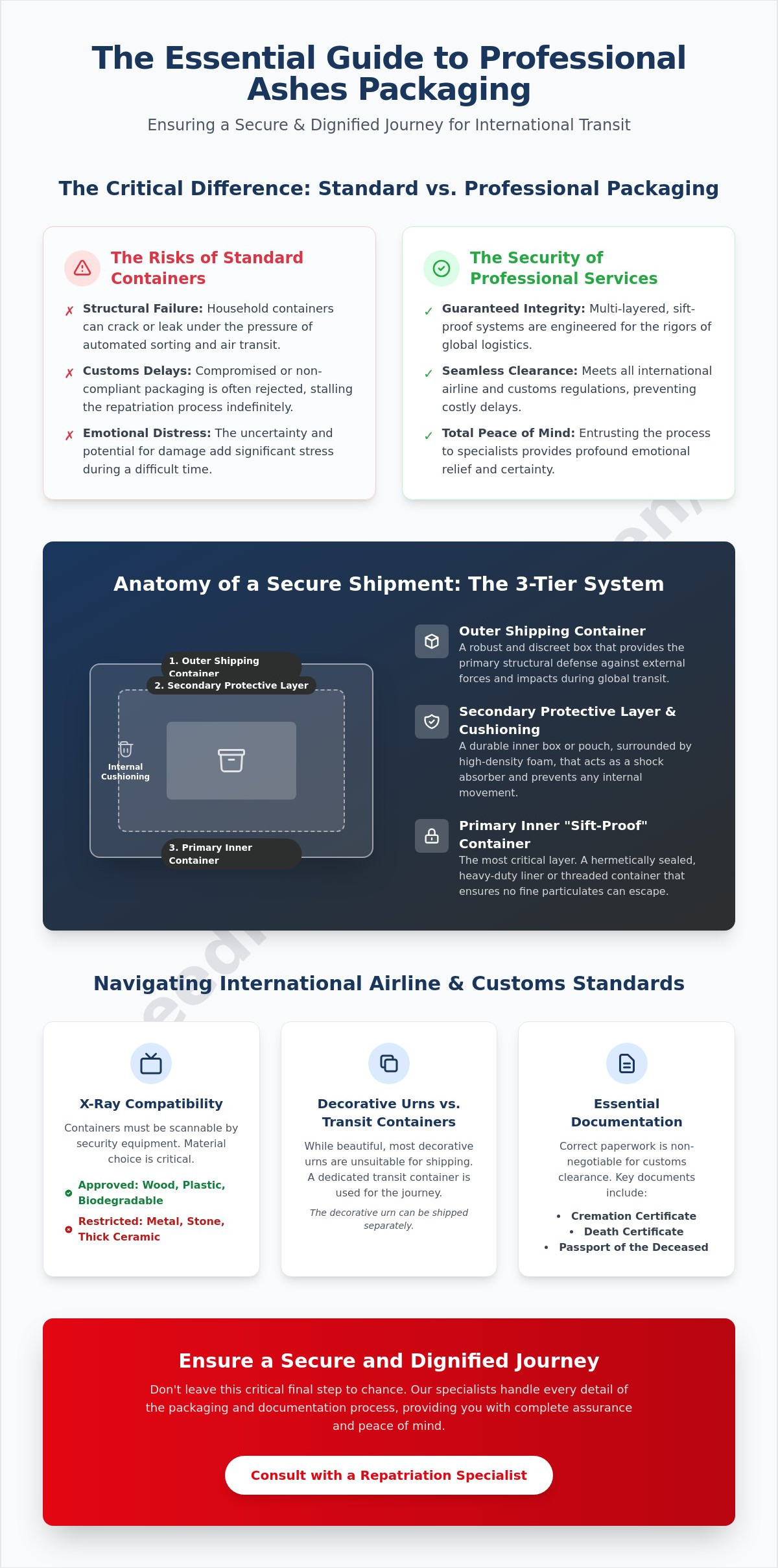
High-volume sorting centres are not designed for sensitive items. Without a reinforced secondary layer, containers can crack or leak under the weight of other freight. This doesn’t just cause physical damage. It leads to distressing delays at international customs borders where officials may reject shipments that appear compromised or poorly sealed. To prevent this, every container must be ‘sift-proof’. A sift-proof container is a sealed vessel that prevents the escape of any fine particulates even when subjected to high pressure or vibration.
The Anatomy of Secure Cremated Remains Packaging
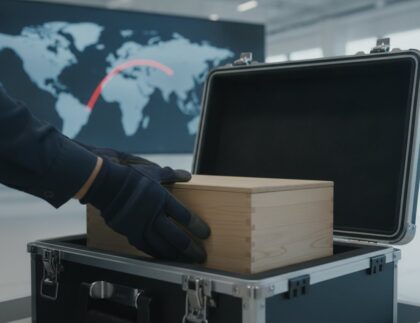
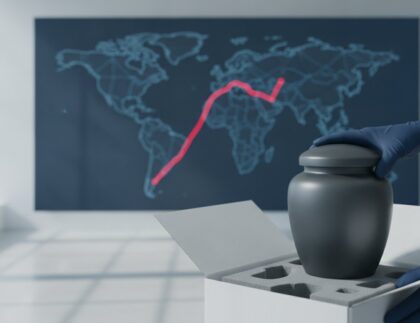
The physical security of a loved one’s remains relies on a redundant, three-tier packaging system. This isn’t just about strength; it’s about precision. The first layer is the Primary Inner Container. This must be a sift-proof vessel, typically a heavy-duty poly-liner or a threaded plastic container, that ensures no particulates can escape during pressure changes in an aircraft hold. It acts as the fundamental seal, maintaining the integrity of the remains throughout every stage of the journey.
Surrounding this is the Secondary Protective Layer. This durable box or specialised pouch serves as a shock absorber, preventing the inner container from bearing the direct weight of external forces or sudden movements. Finally, the Outer Shipping Container provides the ultimate shield. This box must be robust enough to withstand the rigours of global transit whilst remaining discreet and unmarked to protect the privacy of the family. Using a box that doesn’t draw attention is a standard practice in professional ashes packaging, as it reduces the risk of interference during transit.
Internal cushioning is the final, vital component. High-density foam or specialised packing materials ensure the primary container doesn’t rattle or slide within the outer layers. This lack of movement is essential, as it prevents the friction and kinetic energy that can lead to structural failure over long distances. If you’re currently organising a repatriation and feel unsure about these technical requirements, you can speak with our team for guidance on the specific materials needed for your route.
Decorative Urns vs. Logistics Containers
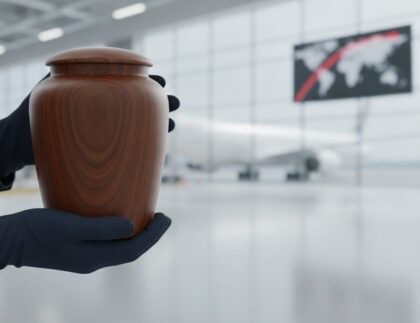
Decorative urns are beautiful tributes, yet many are too fragile for the rigours of international air freight. Ceramic, glass, or thin-walled metal urns can easily crack or dent under the vibrations and pressure changes inherent in flight. We recommend using a simple, logistics-grade poly-container for the actual journey. You can then ship the decorative urn separately or purchase one at the destination. Crucially, TSA regulations for traveling with ashes require containers to be x-ray scannable, making wood or plastic preferred over metal or thick stone. For more details on what materials are permitted, see our guide on approved containers for shipping ashes.
Sealing and Labelling Protocols
Professional bereavement logistics requires the use of tamper-evident seals. These provide a clear, visible chain of custody, ensuring the remains haven’t been disturbed since they were prepared. Labelling must be handled with extreme care. The exterior of the package should be discreet enough to maintain dignity, yet it must carry the necessary documentation and international harmonised codes for customs officials. This ensures that the package is identified correctly by authorities without inviting unnecessary scrutiny from the general public.
Navigating International Customs and Airline Regulations
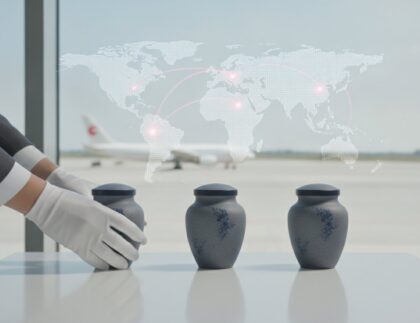
International transit is governed by a strict framework established by the International Air Transport Association (IATA) and individual airline protocols. These regulations are in place to ensure safety and security, but they also serve to protect the sanctity of the remains. Adhering to these standards through professional ashes packaging is the most effective way to avoid the heartbreak of a shipment being delayed or refused at a terminal. Most major carriers require remains to be accompanied by a ‘Non-Decline’ document, which acts as a guarantee that the shipment meets all safety criteria for air travel.
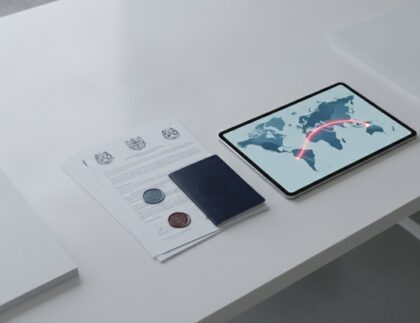
Documentation is just as critical as the physical box. Every shipment must include a certified Cremation Certificate and a copy of the Death Certificate. In some jurisdictions, a ‘Passport of the Deceased’ or a transit permit from the local consulate is also necessary. These documents should be placed in a waterproof, transparent sleeve attached to the secondary layer of the packaging. This allows officials to verify the contents without needing to disturb the primary seal. For those starting the process in America, it’s vital to follow the USPS rules for shipping cremated remains, as they are currently the only legal carrier for such items in the US.
Professional packaging also facilitates a smoother experience during security screening. Airport X-ray machines must be able to see through the container to confirm the contents. If the container is too dense, such as those made of lead or thick stone, security officers may be legally barred from allowing it onto the aircraft. If you need immediate assistance with documentation or logistics, contact our repatriation specialists for a comprehensive review of your requirements.
Transatlantic Requirements: USA to UK
Moving remains between the US and the UK involves specific customs declarations and health department clearances. When you are shipping ashes from USA to UK, you must ensure the outer packaging is prepared for non-invasive inspection by Border Force agents. The UK doesn’t typically require a specific import permit, but the absence of a verified crematorium letter can lead to lengthy holds at the port of entry.
Global Standards for Sift-Proof Security
Whilst laws vary by country, certain materials are universally accepted for their durability and scannability. This checklist ensures your packaging meets global expectations:
- High-density polyethylene (HDPE) liners for the primary seal.
- Polycarbonate or reinforced outer shells.
- Logistics-grade cardboard shipping boxes.
- Tamper-evident adhesive seals for a clear chain of custody.
For a broader look at the end-to-end process, our pillar guide on how to ship human ashes provides detailed context on global repatriation strategies.
Why Choose Professional Packaging Services Over DIY?
Attempting a DIY approach to packaging might seem like a way to maintain personal control, but it often introduces unnecessary risks. Whilst some online forums suggest that simple tape and double-boxing are sufficient, these methods lack the structural integrity required for the high-pressure environment of an aircraft hold or the scrutiny of international customs agents. A failure in the seal or a breach in the outer casing doesn’t just cause logistical delays; it creates a situation of profound emotional distress that no family should have to endure.
Investing in professional ashes packaging is fundamentally about risk mitigation and emotional relief. When you choose a specialist like SpeedLink Repatriation, you’re opting for a dedicated, door-to-door courier solution rather than a standard postal route. General postal services are built for high-volume commerce where items are treated as units of freight. Our approach is different. We operate with a human-centric philosophy, ensuring that your loved one is treated with the dignity they deserve. This means the remains are never left on a sorting belt or handled by automated machinery.
The advantage of real-time tracking and dedicated handling cannot be overstated. In a standard postal system, a parcel might pass through dozens of hands and various transit hubs with limited visibility. A professional courier maintains a tightly controlled chain of custody. This transparency provides a sense of calm, as you’ll know exactly where your loved one is at every stage of their journey, from the moment they leave your care until they reach their final destination.
SpeedLink’s Professional Packaging Standards
Our professional ashes packaging involves the use of bespoke, logistics-grade materials specifically selected for long-haul flights. These containers are tested to withstand extreme vibrations and the unique pressure fluctuations inherent in international air travel. Beyond the physical protection, we provide specialised services such as ashes splitting and secure storage for cremated remains. These options are particularly helpful for families who wish to share remains amongst relatives in different countries or who need to coordinate a memorial service at a later date. If you require assistance with these complex arrangements, please contact our team for a bespoke repatriation quote tailored to your situation.
Ensuring a Seamless Journey Home
The journey of a loved one’s remains is a process that demands both technical precision and deep emotional respect. By prioritising professional ashes packaging, you’re not just meeting airline and customs regulations; you’re ensuring that the physical integrity and dignity of the remains are preserved across every border. From the use of sift-proof inner containers to the meticulous preparation of international documents, every step serves to replace logistical uncertainty with total peace of mind.
As a specialist division of SpeedLink Transport Limited, established in 2003, we bring decades of expertise to every repatriation. Our dedicated USA to UK door-to-door service combines expert customs clearance with the compassionate, dedicated handling your family deserves. You don’t have to navigate these complex international regulations or the stress of documentation alone. Our team provides the steady hand and technical mastery needed to bring your loved one home safely.
Secure a dignified journey for your loved one with our professional ashes courier services. We’re here to support you with clarity, integrity, and care at every stage of the process.
Frequently Asked Questions
Can I use a standard cardboard box for professional ashes packaging?
No, a standard household cardboard box is not sufficient for international transit. High-quality professional ashes packaging requires a logistics-grade outer shipping container that can withstand significant weight and pressure changes. Whilst cardboard is often used as the final layer, it must be double-walled and reinforced to prevent crushing. Using a standard box from home risks structural failure during high-velocity sorting, which could lead to a distressing breach of the remains.
What does ‘sift-proof’ mean when shipping cremated remains?
A sift-proof container is a sealed vessel designed to prevent the escape of even the finest particulates under extreme conditions. In a professional context, this usually involves a primary inner liner with a heavy-duty seal or a threaded, air-tight container. This standard is essential because any leakage, however small, can trigger security alarms or health department interventions at international customs borders, leading to significant and distressing delays.
Do I need to include the original urn in the shipping package?
You don’t need to include the original decorative urn, and in many cases, it’s safer to ship it separately. Most decorative urns are made from ceramic, glass, or thin metal, which are prone to cracking or denting during air freight. We recommend using a durable, x-ray scannable poly-container for the journey itself. This ensures the remains stay secure whilst allowing security officials to screen the package without needing to open it.
Are there specific labels required for international ashes packaging?
Yes, specific labelling is required to identify the contents for customs and airline officials, though these should remain discreet to maintain dignity. Labels must include the correct international harmonised codes and be accompanied by a waterproof sleeve containing the Cremation Certificate. Using professional ashes packaging ensures that all required regulatory markings are present without drawing unnecessary public attention to the sensitive nature of the shipment during its global journey.
Can I send ashes through DHL or other standard couriers?
Most standard commercial couriers like DHL, FedEx, and UPS have strict prohibitions against transporting cremated remains. In the United States, the USPS is currently the only authorised postal carrier for this service. For international transit, it’s vital to use a specialist bereavement logistics provider. These dedicated services offer a secure, door-to-door chain of custody that standard couriers cannot provide, ensuring your loved one is never treated as ordinary freight.

Article by
David McMillen
I started my career in logistics over 30 years ago which has spanned 2 continents and several different types of courier and logistics operations. I lost my dear Mum back in 2016 and it was in the aftermath of her passing that SpeedLink Repatriation was born. We have endeavoured to bring the same care and attention to all of our clients as my mum received and to date we have helped repatriate hundreds of individuals across the globe.
Disclaimer
International requirements for cremated remains vary by origin, destination, carrier and method of transport and may change without notice.
Content is provided as general guidance and should not be treated as legal advice.
Where necessary, current requirements should be confirmed with the relevant government authority, customs authority, embassy, consulate, postal operator, airline or carrier.
SpeedLink can advise on the requirements applicable to a specific shipment.