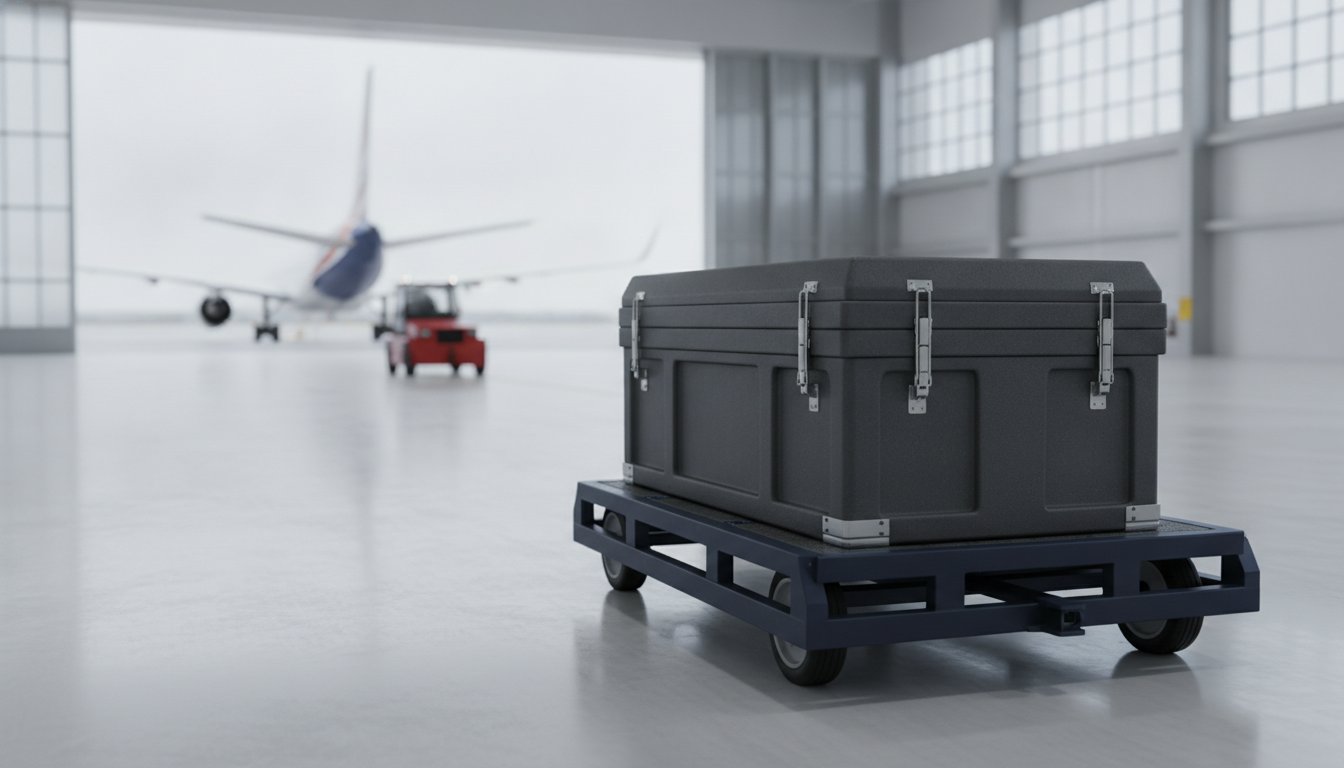
Imagine the moment a courier arrives to deliver a loved one’s remains, only for the recipient to discover that the outer casing has been compromised during transit. It is a distressing thought that highlights why professional packaging for ashes is the most critical step in any domestic or international journey. You deserve the certainty that your loved one is being treated with the stewardship they deserve, yet the technical jargon surrounding “sift-proof” containers and customs compliance often adds unnecessary stress to an already sensitive time.
This guide clarifies the rigorous standards required to ensure every transit is secure, legal, and dignified. We will examine the specific engineering needed to prevent leaks, the importance of using X-ray friendly materials for airport security screening, and the essential documentation that prevents delays at international borders. By understanding these technical requirements, you can gain total peace of mind that the remains will reach their final destination safely whilst meeting every global regulatory and ethical standard.
Key Takeaways
- Understand why professional packaging for ashes requires a multi-layered, sift-proof containment system to ensure both physical protection and full legal compliance.
- Identify the essential components of a secure transit kit, including a non-frangible primary container and a heat-sealed secondary polythene liner.
- Learn how to navigate IATA regulations by selecting non-metallic, X-ray friendly materials that allow for dignified security screening without opening the vessel.
- Discover the benefits of professional stewardship and integrated logistics, such as secure storage and ashes splitting, to simplify complex international journeys.
The Importance of Professional Packaging for Cremated Remains
Professional packaging for ashes isn’t just about wrapping a box. It’s a specialised, multi-layered containment system designed to maintain the integrity of the remains whilst adhering to strict global transport laws. This approach serves a dual purpose. It provides robust physical protection against the rigours of transit and ensures full legal compliance for crossing borders. Beyond the technicalities, there’s a profound emotional weight to this task. Using specialised materials reflects a commitment to dignity, treating the remains with the stewardship they deserve throughout the Cremation process and remains journey.
Whilst some might consider DIY options, these often lack the resilience needed for long-distance travel. Relying on household containers creates risks that professional bereavement logistics effectively eliminate, ensuring the remains aren’t treated as mere cargo.
Why “Sift-Proof” is the Industry Standard
Professional packaging for ashes relies on a “sift-proof” seal to ensure no powder, however fine, can escape the container. Standard urns are often designed for display rather than the pressure changes and vibrations of international flight. Professional systems use hermetically sealed primary vessels and secondary barriers to guarantee total containment. This prevents leaks that could lead to distressing accidents or regulatory violations during transit.
The Consequences of Substandard Packaging
If packaging fails to meet specific courier or airline standards, the consequences are immediate. Remains may be rejected at the point of collection, causing significant emotional distress and delays. Since the enforcement of mandatory mailing kits in March 2025, the margin for error in international transit has narrowed significantly. For those moving remains across borders, such as with a USA to Ireland cremated remains courier service, substandard packaging can trigger invasive customs inspections or total transport bans.
The Anatomy of a Sift-Proof Packaging System
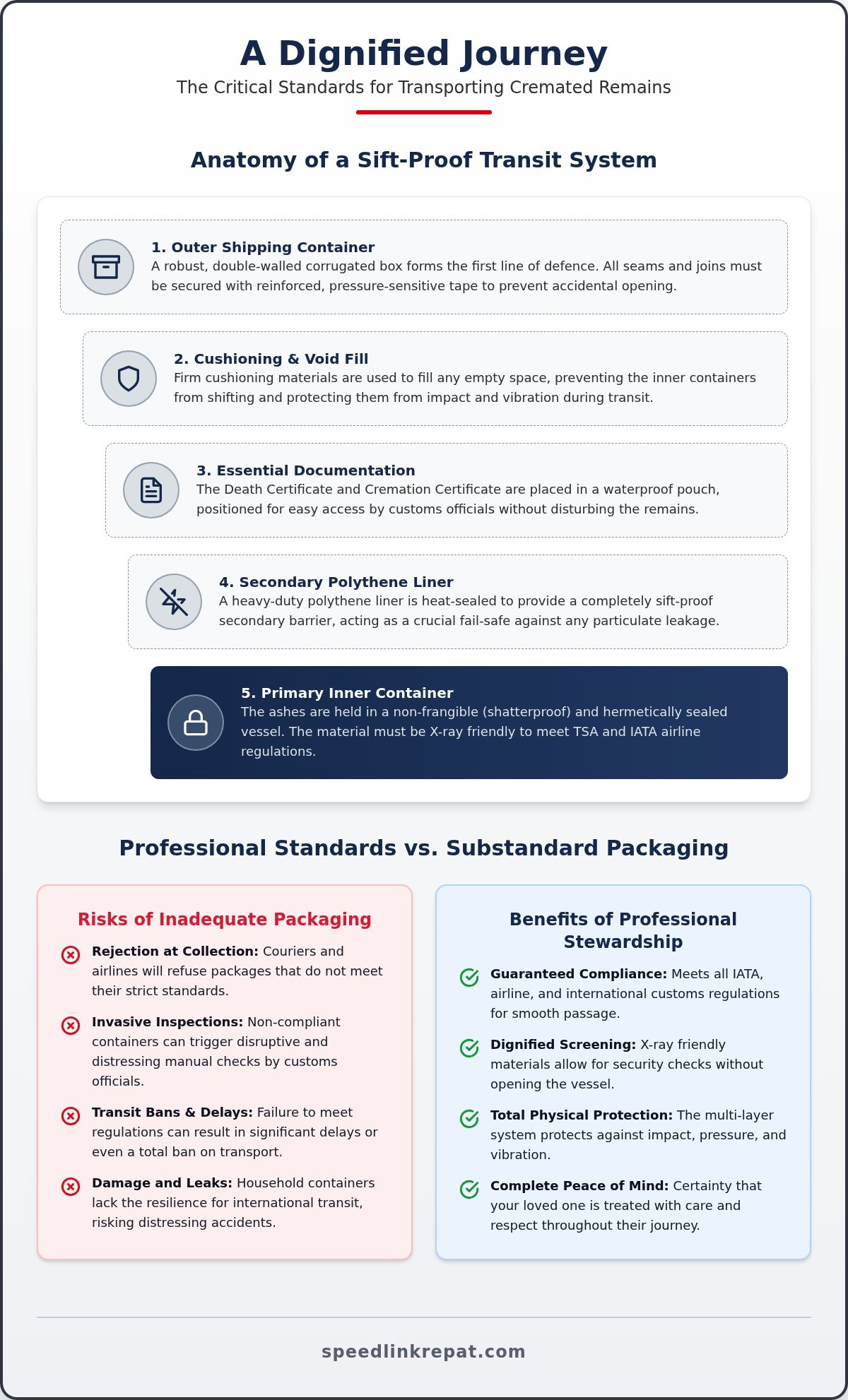
Constructing professional packaging for ashes involves a meticulous multi-stage defence designed to survive the rigours of international transit. The foundation is the primary inner container. This vessel must be non-frangible, meaning it won’t shatter under impact, and it should be hermetically sealed. Because security protocols vary, choosing a material that meets TSA airline requirements is essential, as officers will not open a container to verify its contents.
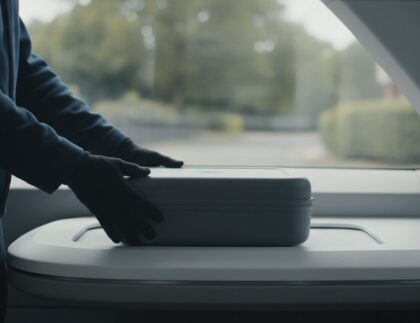
A secondary barrier is then applied to provide a total seal. This typically involves a heavy-duty, heat-sealed polythene liner that acts as a fail-safe against particulates. This assembly is placed within an outer shipping container, usually double-walled corrugated cardboard or a specialised transit case. To prevent internal shifting, cushioning materials are used to fill any voids. These must be firm enough to stop movement but light enough to keep the package manageable. If you feel overwhelmed by these technicalities, you can always speak with our specialists for guidance on secure containment.
Layering for Maximum Security
The “Box-within-a-Box” method is the gold standard for air travel. By nesting the remains within multiple layers, you create a buffer against the pressure changes and vibrations common in cargo holds. Every join and seam on the outer box must be secured with reinforced pressure-sensitive tape. This prevents the packaging from accidental opening whilst handled by various logistics teams during the journey.
Labelling and Identification Protocols
Correct identification is as much about dignity as it is about logistics. Labels should clearly state “Cremated Remains” in a way that is visible to couriers but remains respectful. Behind this outer label, essential documents like the cremation certificate and death certificate should be placed in a waterproof pouch between the inner and outer layers. This ensures they are easily accessible for customs inspections without the need to disturb the remains themselves.
Navigating International Standards and Airline Requirements
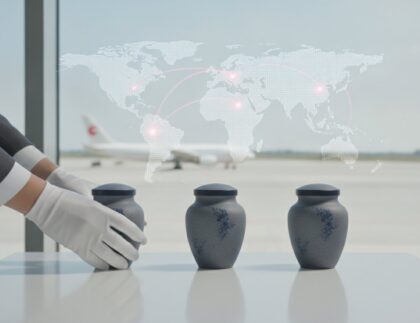
IATA regulations dictate that cremated remains must be transported in containers that allow for clear X-ray imaging. This means avoiding heavy metals or lead-lined urns that obscure the contents during security checks. When arranging USA to UK ashes transport, you must account for both TSA screening protocols and UK Border Force requirements. Professional packaging for ashes ensures the vessel remains “scan-friendly,” preventing the need for officials to physically open the container, which preserves the dignity of the deceased.
Professional couriers play a vital role in this process. They understand that every territory has unique rules, from specific transit permits to mandatory sealing methods. By using a specialist service, you ensure these technical nuances are managed with precision, allowing for a seamless transition between different global jurisdictions whilst maintaining a chain of custody.
Customs Compliance and Documentation
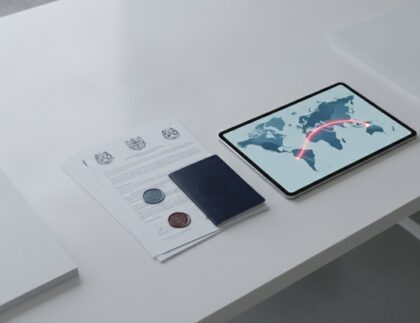
International repatriation involves significantly more paperwork than domestic UK shipping. Professional packaging for ashes facilitates this by providing a secure, external pouch for the death certificate, cremation certificate, and any necessary consular seals. This clear presentation allows customs officers to verify the shipment quickly. Without this organised approach, packages are frequently held at borders, causing distressing delays for the waiting family.
Aviation Security and X-Ray Transparency
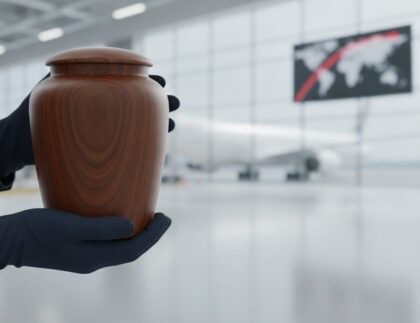
Aviation security is non-negotiable. Urns made from stone, thick ceramic, or metal can trigger secondary inspections because they appear as solid masses on scanners. Following professional shipping guidance is essential to avoid these pitfalls. Opting for high-density plastic, wood, or biodegradable materials ensures the package passes through security without intrusion. If you’re unsure whether your chosen vessel meets these international standards, contact our repatriation team for a technical assessment.
Why Choose Professional Packaging Services for Peace of Mind
SpeedLink Repatriation approaches every journey with a philosophy of stewardship rather than simple logistics. We understand that we’re handling a loved one, not just a shipment. By choosing professional packaging for ashes, you transfer the technical and emotional burden to experts who specialise in bereavement logistics. This includes integrated solutions like ashes splitting, which allows families to share remains across different global locations whilst ensuring each portion is secured to the highest standards.
Dedicated courier support offers a level of certainty that standard postal services can’t provide. Instead of the remains passing through automated sorting centres amongst general mail, they’re managed by specialists who provide real-time tracking. This transparency is vital. It builds trust during a stressful period by providing personal oversight from collection to final delivery. Every detail matters.
Beyond the Box: A Dedicated Courier Solution
Supporting Funeral Professionals and Families
We act as a steady partner for funeral directors who require technical mastery in professional packaging for ashes for their clients. By taking the logistical weight off their shoulders, we allow them to focus on supporting the bereaved family. Our role as an ethical guardian ensures that every detail is handled with honour. You can rest assured that the remains are treated with profound respect, reaching their destination safely, legally, and with total dignity.
Securing a Dignified Final Journey
Ensuring that a loved one reaches their final destination requires more than just a box. It demands a technical understanding of sift-proof containment and international aviation security. By prioritising professional packaging for ashes, you move beyond basic transit and embrace a standard of stewardship that protects both the remains and your peace of mind. You now understand that multi-layered security and X-ray transparency are essential for navigating global borders without distressing delays.
As a specialised division of SpeedLink Transport Limited, founded in 2003, we are dedicated to providing dignified, door-to-door transport for cremated remains. Our expertise in complex USA to UK repatriation logistics ensures that every detail is managed with precision and empathy. You don’t have to manage this logistical burden alone during such a sensitive time. Enquire about our professional ashes packaging and courier services to ensure your loved one is handled with the honour they deserve. We are here to guide you through every step of this journey with care.
Frequently Asked Questions
Can I use a standard cardboard box for shipping ashes?
No, you shouldn’t use a single standard box. Professional packaging for ashes requires a double-walled corrugated outer box for structural integrity. A standard domestic box lacks the burst strength needed for international cargo handling. It’s essential to nest the remains within multiple layers to protect against impact. This “box-within-a-box” method ensures that the package remains secure even if the outer layer is scuffed during transit.
What does it mean for a container to be “sift-proof”?
A sift-proof container prevents even the microscopic particulates of cremated remains from escaping. This is achieved through a multi-layered approach, typically involving a hermetically sealed primary vessel and a heat-sealed polythene secondary liner. Standard screw-top urns often fail this requirement due to vibrations in flight. Professional packaging for ashes ensures that every seal is airtight, maintaining total containment throughout the pressure changes experienced during air travel.
Are there specific materials I should avoid for an international urn?
You should avoid lead-lined, heavy metal, or thick stone urns for international transport. These materials are not X-ray transparent and can block security scanners, leading to delays or invasive inspections. Aviation security protocols require that officers can see the contents clearly without opening the vessel. Materials such as high-density plastic, light wood, or cardboard are far better suited for dignified, non-intrusive airport screening processes.
Do I need to include the original cremation certificate inside the package?
Yes, the original cremation certificate and a certified copy of the death certificate must accompany the remains. These documents shouldn’t be placed inside the primary urn but should be secured in a waterproof pouch between the inner and outer packaging layers. This allows customs officials to verify the contents without disturbing the remains. Having these documents clearly visible but protected ensures a smoother transition through international border controls.
Can I send ashes through standard international couriers like DHL or FedEx?
Most standard international couriers, including DHL and FedEx, have strict prohibitions against carrying cremated remains. Attempting to use these services often leads to the package being confiscated or returned. Instead, you must use a specialist bereavement logistics provider or specific postal services that are authorised to handle human remains. These dedicated services ensure that the journey is legal, respectful, and compliant with both airline and destination country laws.

Article by
David McMillen
I started my career in logistics over 30 years ago which has spanned 2 continents and several different types of courier and logistics operations. I lost my dear Mum back in 2016 and it was in the aftermath of her passing that SpeedLink Repatriation was born. We have endeavoured to bring the same care and attention to all of our clients as my mum received and to date we have helped repatriate hundreds of individuals across the globe.
Disclaimer
International requirements for cremated remains vary by origin, destination, carrier and method of transport and may change without notice.
Content is provided as general guidance and should not be treated as legal advice.
Where necessary, current requirements should be confirmed with the relevant government authority, customs authority, embassy, consulate, postal operator, airline or carrier.
SpeedLink can advise on the requirements applicable to a specific shipment.