Returning a loved one to their ancestral soil is a final, sacred act of stewardship that should never be overshadowed by the weight of international bureaucracy. You want this journey to be seamless and respectful, yet the complexity of repatriating ashes to Poland can feel like an insurmountable barrier during a period of profound grief. It’s natural to feel anxious about the safety of the remains or confused by the specific paperwork required by the Polish authorities.
This guide simplifies the process, offering a clear path through the legal maze so you can focus on honouring a life well-lived. We will provide a comprehensive overview of the mandatory documentation, such as the £53 consular certificate and local burial permits, whilst explaining the legal requirements of the Polish Act on Cemeteries. You’ll learn how professional door-to-door logistics provide the security and peace of mind your family deserves during this sensitive transition.
Key Takeaways
- Identify the mandatory legal documents, including the Polish Consulate permit and cemetery burial permissions, to ensure a seamless process.
- Navigate the specific packaging and airline-approved container requirements essential for repatriating ashes to Poland with maximum security and discretion.
- Understand the Polish legal framework that mandates the interment of cremated remains in a designated cemetery or columbarium rather than a private residence.
- Relieve the emotional burden of international customs and administrative bureaucracy by utilising professional door-to-door bereavement logistics.
Understanding the Process of Repatriating Ashes to Poland
Repatriating ashes to Poland is a deeply personal journey that requires a sophisticated blend of logistical precision and legal expertise. It’s a specialised service for families who wish to return a loved one to the Republic of Poland, often to be interred amongst generations of ancestors. It is vital to distinguish this from the repatriation of human bodies; whilst the latter involves complex embalming and zinc-lined coffins, ashes allow for a more discreet, door-to-door approach that remains strictly regulated by international aviation and health authorities.
A specialist bereavement courier serves as a steady hand, managing the intricate details that general postal services or standard couriers cannot legally or ethically provide. They bridge the gap between foreign funeral directors and Polish authorities, ensuring that every transition is handled with professional composure. This dedicated care is particularly valuable for those using a USA to Poland courier service, where the complexity of transatlantic customs requires expert knowledge to avoid distressing delays or administrative errors.
The Legal Framework for Poland
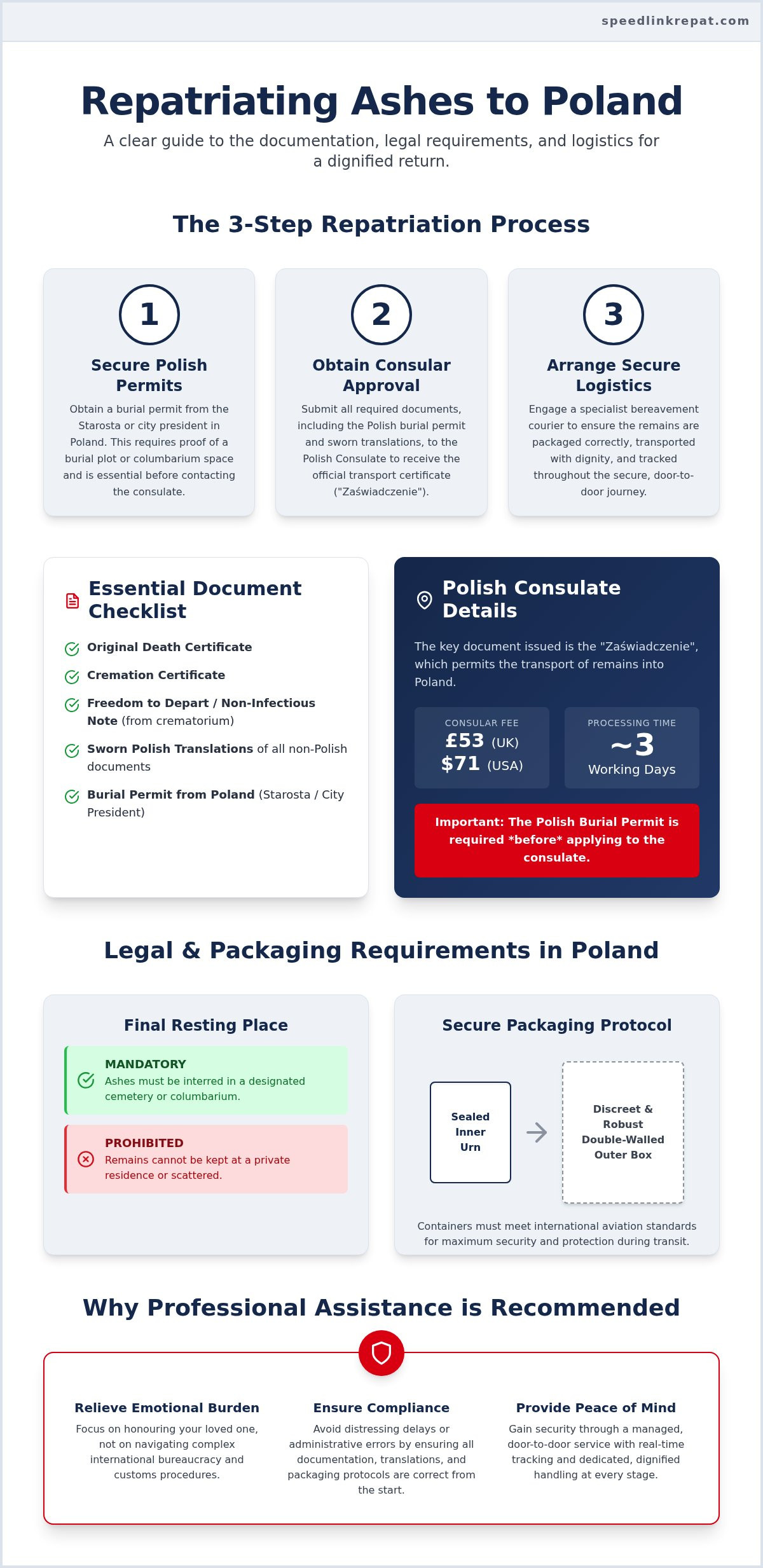
The primary authority for these movements is the Polish Law on Funerals and Burials. This legislation dictates that before any remains enter the country, you must secure a permit from the local Starosta or city president at the final destination. This document is a prerequisite for the Polish Consulate to issue their own certificate. The law is also explicit: ashes must be transported in a sealed, dignified container that is both robust and respectful. These regulations aren’t merely bureaucratic hurdles; they’re in place to ensure that the remains are protected and that the final interment follows the specific cultural and legal traditions of the Polish state.
Essential Documentation and Consular Requirements
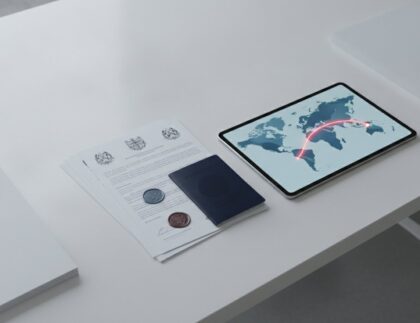
Securing the correct paperwork is the foundation of a successful repatriation. You’ll need the original Death Certificate and a Cremation Certificate. Additionally, a “Non-Infectious Note” or a “Freedom to Depart” letter from the crematorium is essential. These documents confirm the remains pose no health risk and are legally cleared for transit. For Polish consular requirements, all foreign documents must typically undergo sworn translation into the Polish language by a certified translator to be accepted by local authorities. This ensures that the Starosta and cemetery administrators in Poland can verify the details without ambiguity.
Working with the Polish Consulate
The pivotal document for repatriating ashes to Poland is the “Zaświadczenie”, a certificate allowing the transport of remains. To obtain this, you must first secure a burial permit from the Starosta or city president in Poland, which often requires proof of a burial plot or a columbarium space. In the UK, the consular fee is £53, whilst in the USA, it is $71. Once the application is submitted, the consul usually issues the certificate within three days. If you’re feeling overwhelmed by these administrative steps, our team can help you organise the paperwork with professional care.
The consul’s role is strictly regulatory. They don’t manage burial arrangements or provide financial aid. If a certificate is refused, you have seven days to appeal the decision through the same consulate. This structured timeframe ensures that the process remains predictable, provided every document is meticulously prepared. Having these papers in order before the courier arrives prevents delays at the border and ensures a dignified arrival at the final resting place. It’s a methodical process that rewards attention to detail, protecting the sanctity of the journey from start to finish.
Practical Logistics: Shipping and Packaging Protocols
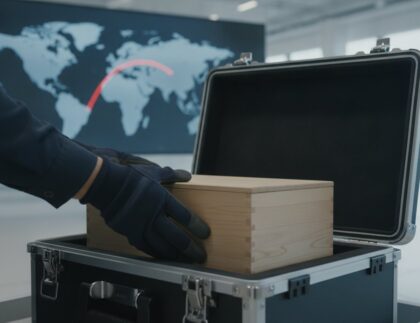
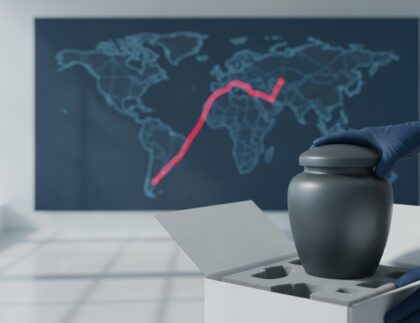
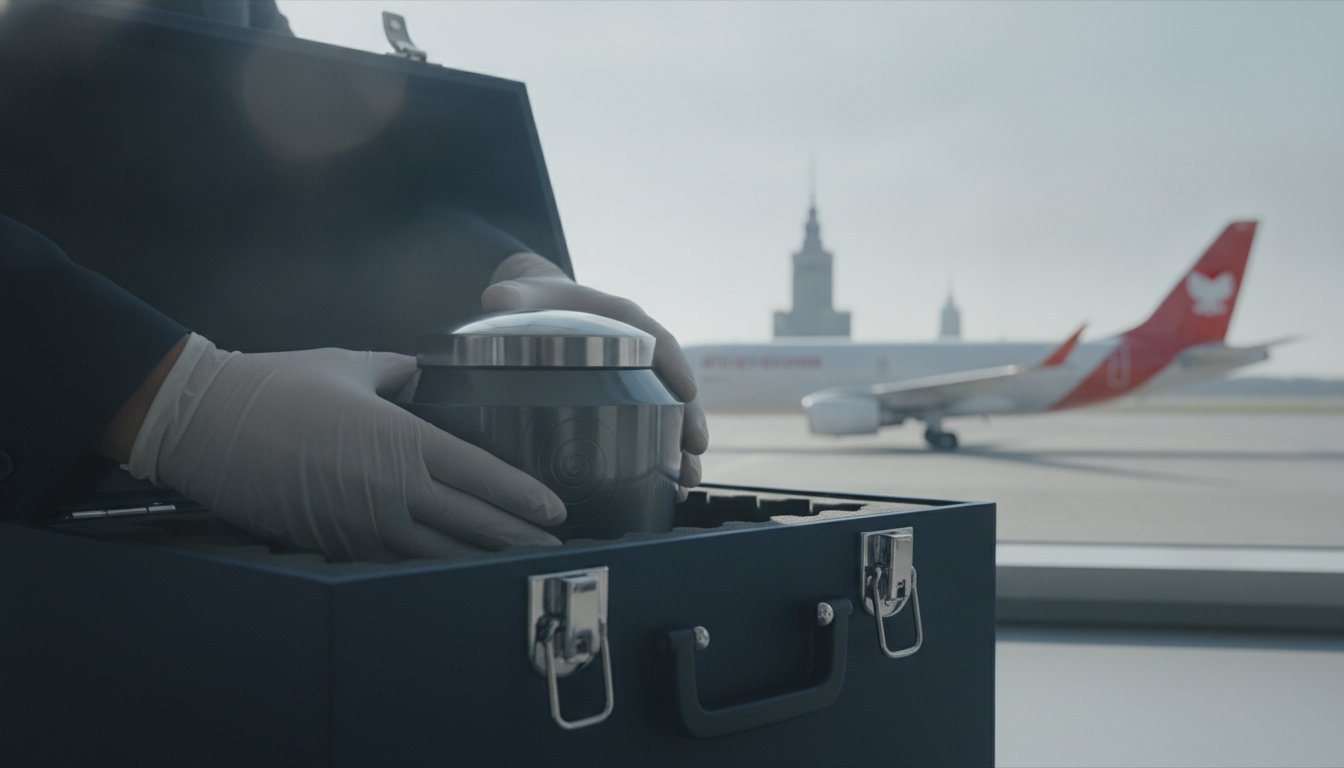
The physical security of the remains is the cornerstone of our logistical approach. Unlike standard postal services, which may treat high-value remains as general cargo, a specialist courier provides dedicated stewardship. When repatriating ashes to Poland, the remains must be housed in a container that meets strict international aviation standards. This usually involves a sealed inner urn placed inside a robust, double-walled outer box that is both discreet and shock-absorbent. This ensures the urn remains protected from external pressure whilst moving through various transit centres. To further alleviate anxiety, we provide real-time tracking, allowing families to observe the methodical progress of their loved one across international borders.
How to Organise the Journey to Poland
Success depends on a methodical three-step approach that prioritises safety and legal compliance:
- Step 1: Secure all medical and consular documentation, ensuring every paper aligns with the Polish Government Repatriation Certificate Requirements.
- Step 2: Use professional packaging materials specifically engineered to absorb shock and prevent movement within the transit crate.
- Step 3: Coordinate customs clearance in advance to ensure the remains are not held at the Polish border for inspection.
Our USA to Poland ashes courier service manages these complexities on your behalf, ensuring a dignified and timely transition.
Origin Services from North America
For families repatriating ashes from Canada to Poland, our door-to-door service provides a seamless solution during a difficult period. We collect the remains directly from a private residence or a funeral director, ensuring they never leave professional hands. This model is particularly effective for those who cannot travel themselves or wish to avoid the stress of airport logistics. If you are currently navigating the complexities of repatriating ashes to Poland from North America, please contact our bereavement specialists for expert guidance.
Why Professional Assistance Ensures a Dignified Return
Delegating the administrative burden of repatriating ashes to Poland allows families to focus on their emotional recovery rather than bureaucracy. Standard couriers often lack the specific legal permissions required to carry cremated remains, which can lead to distressing refusals or customs delays. A specialist provider serves as an ethical guardian, offering secure storage that bridges the gap between the cremation and the final interment. This ensures that your loved one is always held in a respectful, professional environment whilst transit arrangements are finalised.
Peace of Mind for Families
Professional repatriation is not just about transport; it is about steward-led care for a loved one’s final journey. We prioritise a “people-first” philosophy. Dignity is never sacrificed for logistical speed. Families receive transparent, methodical updates throughout the delivery process, providing a sense of calm during an otherwise turbulent time. This level of personal attention is essential when navigating the sensitivities of repatriating ashes to Poland across multiple jurisdictions.
Next Steps for Your Loved One
Upon arrival, it’s necessary to coordinate with a local Polish funeral director or cemetery administrator for the final burial or placement in a columbarium. Because Polish law mandates interment in a designated cemetery, having these arrangements confirmed in advance is a vital step. We handle the coordination. We encourage families to reach out for a bespoke consultation regarding their specific needs, whether they require a USA to Poland courier service or help from other regions. Contact SpeedLink Repatriation for expert guidance on sending ashes to Poland to ensure every detail of the return is handled with the precision and compassion it requires.
Honouring a Final Journey Home
Returning a loved one to their ancestral soil is a profound responsibility that demands both technical mastery and deep respect. We’ve explored the necessity of precise documentation, from the Starosta’s permit to the mandatory consular certificate, and the importance of airline-approved, dignified packaging. By choosing a specialist bereavement logistics provider, you ensure that the process of repatriating ashes to Poland is handled with the integrity it deserves, avoiding the risks of standard courier delays or consular complications.
Our expertise in Polish consular documentation and commitment to dignified door-to-door global delivery provides you with the space to grieve whilst we manage the complex logistics. We act as an ethical guardian for your loved one’s remains, ensuring every border is crossed with professional composure. If you’re ready to begin this transition, we’re here to support you with a steady hand and a human-centric philosophy.
Request a Compassionate Consultation for Ashes Repatriation to Poland to discuss your family’s specific requirements. You don’t have to navigate this path alone.
Frequently Asked Questions
Can I personally carry ashes on a plane to Poland?
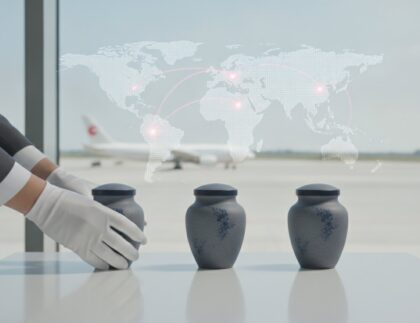
You can personally carry ashes on a flight to Poland, provided you adhere to specific airline policies and have the mandatory consular certificate. Most carriers require the remains to be in a non-metallic, x-ray transparent container. Whilst this is permissible, many families find the security screening process and the burden of carrying remains through busy terminals to be an unnecessary emotional strain during their period of mourning.
How much does it cost to repatriate ashes to Poland in 2026?
The total cost involves a combination of mandatory government fees and professional logistics charges. You’ll need to account for the Polish Consulate’s certificate fee and any costs associated with sworn translations of your documents. Courier prices are calculated based on the distance from the collection point to the final destination in Poland. Requesting a tailored consultation ensures you receive an accurate reflection of the costs for your specific situation.
How long does the ashes repatriation process take from the UK to Poland?
The timeline typically spans seven to fourteen days from the moment documentation is finalised. Polish consuls usually issue the required certificate within three working days of receiving a complete application. Once the remains are collected, transit and customs clearance generally take a further three to five days. This methodical pace ensures that every legal requirement is met without rushing a process that requires absolute precision and dignity.
Do I need a special urn for international transport to Poland?
You must use a container that is both hermetically sealed and capable of being x-rayed by airport security. This typically means avoiding heavy metals like lead or thick stone for the inner vessel. The urn should be placed inside a robust, discreet outer box specifically designed for international transit. This dual-layer approach protects the remains from physical damage whilst ensuring compliance with health and safety regulations at international borders.
What happens if the ashes are delayed at Polish customs?
Delays at the Polish border are usually the result of incomplete documentation or translation errors in the burial permits. If a delay occurs, a specialist courier will liaise directly with customs officials to resolve the discrepancy. This proactive approach is a core benefit of professional assistance when repatriating ashes to Poland. It ensures the remains are not held in impersonal storage facilities whilst administrative details are corrected by experts.

Article by
David McMillen
I started my career in logistics over 30 years ago which has spanned 2 continents and several different types of courier and logistics operations. I lost my dear Mum back in 2016 and it was in the aftermath of her passing that SpeedLink Repatriation was born. We have endeavoured to bring the same care and attention to all of our clients as my mum received and to date we have helped repatriate hundreds of individuals across the globe.
Disclaimer
International requirements for cremated remains vary by origin, destination, carrier and method of transport and may change without notice.
Content is provided as general guidance and should not be treated as legal advice.
Where necessary, current requirements should be confirmed with the relevant government authority, customs authority, embassy, consulate, postal operator, airline or carrier.
SpeedLink can advise on the requirements applicable to a specific shipment.