What if the final journey you organise for a loved one is met with the cold bureaucracy of a freight terminal rather than the dignity they deserve? It’s a distressing thought, particularly whilst you’re already managing the profound weight of grief. You likely feel that sending ashes abroad should be a final act of stewardship, yet the reality often involves a confusing maze of airline policies, postal regulations, and strict customs paperwork.
You don’t have to carry this logistical burden alone or fear that your loved one will be treated as mere cargo. This guide provides the professional, empathetic clarity required to navigate international repatriation in 2026 with absolute confidence. We’ll walk you through the essential legal requirements, the latest scannable packaging mandates, and how specialist courier services ensure a secure, door-to-door transition. By the end of this article, you’ll understand how to guarantee that every legal and emotional requirement is met with precision and care, allowing you to focus on what truly matters.
Key Takeaways
- Understand the vital legal distinction between posting small samples and the specialised bereavement logistics required for transporting full cremated remains.
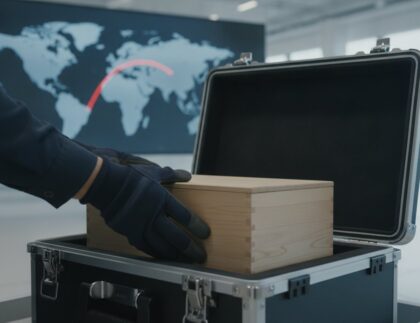
- Learn why choosing an urn made of x-ray-transparent materials, such as wood or polymer, is essential for a dignified journey through airport security.
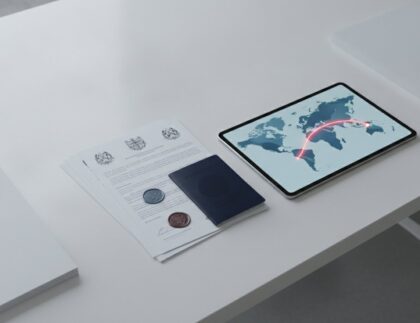
- Identify the mandatory 2026 document pack, including the “Freedom from Infection” statement and necessary apostilles for your specific destination.
- Discover how professional sending ashes abroad via a specialist door-to-door courier service removes the logistical and emotional burden from your family.
- Ensure your loved one is treated with stewardship rather than as mere cargo by choosing a partner that prioritises ethical repatriation over standard freight.
Understanding the Legalities of Sending Ashes Abroad
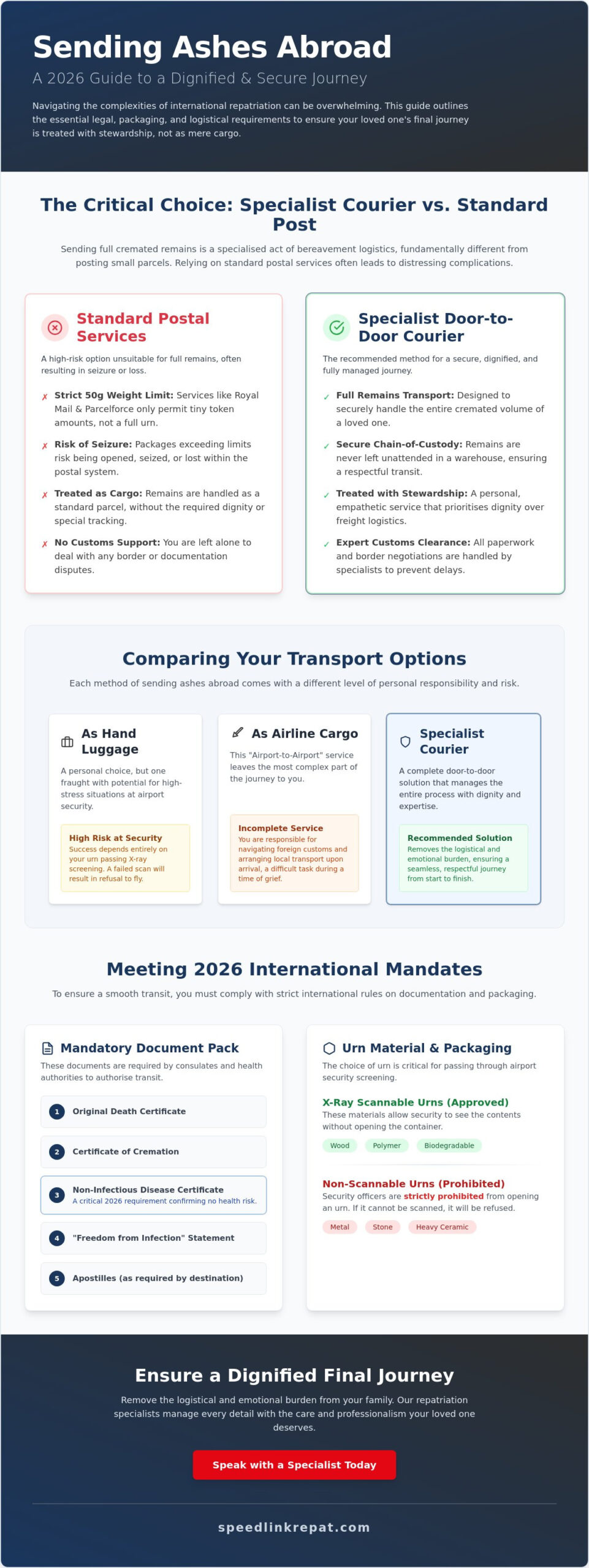
International ashes repatriation is a specialised branch of bereavement logistics that requires more than just a shipping label and a box. It’s a process governed by sovereign laws and international health codes that ensure the respectful movement of remains across borders. Whilst global cremation practices have become increasingly common, the legal framework for sending ashes abroad remains complex. You must first recognise the distinction between “samples” and “full remains.” Samples are tiny portions meant for keepsakes or jewellery, which some carriers treat with less scrutiny, but full remains represent the entire cremated volume of a loved one and require formal transit authorisation.
National consulates and local health authorities are the primary regulators in this sensitive journey. They review documentation to ensure compliance with both the departing and receiving countries’ laws. The foundation of your application will always be the original Death Certificate and the Certificate of Cremation. However, the Non-Infectious Disease Certificate is a critical 2026 requirement that serves as official confirmation that the ashes pose no health risk during transit. For families moving remains from North America, such as those utilising a USA to Ireland courier service, these legal hurdles are managed by experts who understand the specific bilateral requirements.
Why Standard Postal Services Often Fail
Relying on standard mail for such a sensitive task is often a mistake that leads to unnecessary heartache. Royal Mail and Parcelforce, for example, enforce a strict 50g weight limit for cremated remains. This limit is only suitable for small tokens, not for the full remains of a person. If you attempt to send a standard urn through these channels, you risk the package being seized, opened, or lost amongst thousands of ordinary parcels. Standard carriers don’t offer the specialised tracking or the emotional stewardship that this process demands. There is no personal point of contact to resolve customs disputes, leaving families in a state of anxious uncertainty whilst their loved one’s remains sit in a sterile freight terminal.
Choosing the Right Method: Air Travel vs. Specialist Courier
Selecting the most appropriate mode of transport is a decision that balances personal preference with the practical realities of international transit. When sending ashes abroad, you generally face three choices: carrying them as hand luggage, booking them as airline cargo, or employing a specialised door-to-door courier. Each method carries different levels of personal responsibility and risk, particularly regarding the 2026 airline landscape where security protocols have become increasingly stringent.
Carrying remains as hand luggage is often seen as the most personal method, yet it’s fraught with potential for distress at the security gate. Modern screening technology requires absolute “x-ray transparency.” According to guidelines from U.S. Customs and Border Protection, containers must be scannable to pass through checkpoints. If you choose an urn made of metal or stone, X-ray machines cannot penetrate the material. Because security officers are strictly prohibited from opening the container, a non-scannable urn may lead to a refusal of carriage, leaving you stranded at the airport.
The logistical burden of “Airport-to-Airport” cargo shouldn’t be underestimated. Whilst airlines may accept the remains, the family is often left responsible for navigating foreign customs terminals and local transport upon arrival. This “last mile” logistics can be overwhelming during a period of grief. In contrast, a door-to-door service manages the entire journey, ensuring your loved one is never treated as mere freight. If you’re unsure which method suits your family’s needs, you can speak with a repatriation specialist for tailored advice.
The Advantages of a Dedicated Ashes Courier
Essential Documentation and Packaging for 2026
The success of sending ashes abroad hinges on the meticulous preparation of a document pack that satisfies both airline security protocols and the destination country’s customs laws. In 2026, the updated international landscape requires a precise set of credentials to ensure a smooth transition. At the core of this pack are the original Death Certificate and the Cremation Certificate. Depending on the destination, you may also require an Apostille, which is a formal certification that authenticates the documents for international use under the Hague Convention.
A specific requirement often overlooked by families is the “Freedom from Infection” statement. Many international airlines now mandate this document to confirm that the deceased did not suffer from a contagious disease, even though the cremation process itself renders remains sterile. It’s vital to remember that every country maintains unique entry requirements that must be verified before dispatch, as a single missing permit can lead to distressing border delays. If you feel overwhelmed by these administrative demands, you can request a documentation review from our logistics team to ensure your paperwork is in order.
Packaging for Dignity and Safety
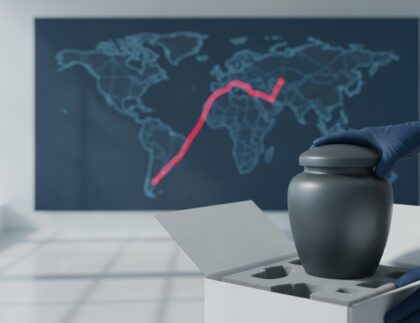
Securing the remains for transit involves more than just choosing a beautiful memorial urn. For international travel, the primary container must be “sift-proof,” typically a sealed polymer bag within a sturdy inner vessel. This prevents any accidental leakage during the pressure changes of a flight. Whilst you may have a favourite decorative urn, it’s often safer to use a dedicated travel container and have the ashes transferred into a permanent memorial upon arrival.
Professional packaging services are essential to provide the necessary cushioning against transit shocks. The outer box should be robust and discreet, avoiding any unnecessary attention whilst still carrying the correct regulatory markings. Respectful labelling is a delicate balance; it must clearly inform customs officials of the contents to satisfy legal declarations without compromising the dignity of the person being transported. Using high-quality, impact-resistant materials ensures that the journey remains as secure as it is respectful.
The SpeedLink Repatriation Approach: A Dignified Global Journey
At SpeedLink Repatriation, we view our role as more than just a provider of bereavement logistics; we act as the ethical guardians of a final, sacred journey. When sending ashes abroad, the emotional weight is heavy enough without the added stress of managing international transport. Our door-to-door service model is designed to lift that entire burden from your shoulders. From the moment of collection to the final delivery, we maintain a strict chain of custody. Your loved one is never treated as mere freight or left in a cold warehouse.
Specialised Routes: USA, UK, and Beyond
Our expertise is particularly deep within the USA to UK corridor, where we manage the intricate interplay between American postal mandates and British customs protocols. We also facilitate seamless repatriation to several European destinations, utilising local regulatory knowledge to bypass common border hurdles. Whether you require an Australia to Europe cremated remains courier or need to navigate the specific health permits for repatriation to Italy or Ireland, our team ensures every detail is managed with care. We provide the calm and security your family needs during this difficult period.
Securing a Peaceful Final Journey
Managing the final arrangements for a loved one is a task of profound stewardship. By understanding the updated 2026 requirements and the necessity of scannable packaging discussed earlier, you’ve already taken the first steps toward a successful repatriation. sending ashes abroad doesn’t have to be a source of anxiety; instead, it can be a process defined by order, respect, and professional care. Whether you’re navigating the complexities of customs clearance or require a secure chain of custody, the right support ensures that dignity is maintained at every border.
As SpeedLink Repatriation, established in 2003, we maintain an exclusive focus on the transportation of cremated remains. Our dedicated team provides a comprehensive door-to-door service, including the professional packaging and customs clearance expertise mentioned in this guide, so you can focus on your family’s needs. You don’t have to manage these technical hurdles alone. Request a dignified quote for international ashes repatriation today and let us guide you through this journey with the expertise and empathy you deserve. We’re here to ensure your loved one arrives safely and respectfully at their final place of rest.
Frequently Asked Questions
Can I send human ashes through DHL or UPS?
Standard global couriers like DHL, UPS, and FedEx generally prohibit the carriage of cremated remains within their standard networks. If you attempt to use these services, you risk your loved one’s remains being seized or held as “prohibited goods” at a sorting terminal. Because these companies handle millions of parcels daily, they lack the specialised chain of custody required for bereavement logistics. You should always opt for a dedicated courier that understands the legalities of the process.
What documents are needed to send ashes to the United States?
Entering the United States requires a specific document pack including the original Death Certificate, a Cremation Certificate, and an official statement confirming the remains are non-infectious. The container itself must be sift-proof and capable of passing through TSA x-ray scanners without being opened. It’s essential to ensure all paperwork is attached to the outside of the packaging in a clear pouch to prevent unnecessary delays during the customs clearance process.
Can I take cremated remains on a plane in my hand luggage?
You can take cremated remains on a plane in your hand luggage, but the urn must be made from an x-ray transparent material. Security officers won’t open the container under any circumstances; if they can’t see through it with their scanners, they won’t allow it on board. Materials like wood, plastic, or biodegradable cardboard are ideal. Always keep your documentation close at hand and notify the airline of your situation before you arrive at the airport.
How much does it cost to send ashes abroad in 2026?
The total investment for sending ashes abroad in 2026 depends on the destination and the complexity of the required customs clearance. Whilst national postal services offer a lower-cost alternative for small samples, full remains require a more robust service level. Using a specialist courier ensures your loved one is never treated as mere cargo. This approach covers professional packaging, legal verification, and the security of a door-to-door delivery.
How long does the international ashes repatriation process take?
Most international repatriations are completed within seven to fourteen working days from the point of collection. This duration accounts for the time needed to verify documents with consulates and clear customs at the destination border. If a country requires an apostille or translated permits, the process might take slightly longer. A professional logistics partner will provide regular updates so you aren’t left wondering about the status of the journey at any stage.

Article by
David McMillen
I started my career in logistics over 30 years ago which has spanned 2 continents and several different types of courier and logistics operations. I lost my dear Mum back in 2016 and it was in the aftermath of her passing that SpeedLink Repatriation was born. We have endeavoured to bring the same care and attention to all of our clients as my mum received and to date we have helped repatriate hundreds of individuals across the globe.