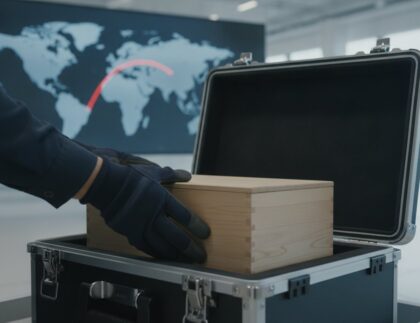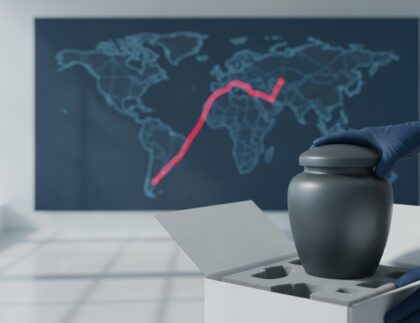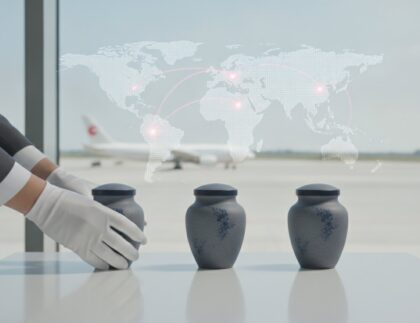
Imagine standing at a bustling international arrivals gate, carrying the most precious cargo you will ever hold, only to be told by a customs official that your paperwork is incomplete. It’s a heart-wrenching moment that no grieving family should ever have to endure. You’re already dealing with the profound weight of loss, and the last thing you need is the confusion of identifying the documents needed to transport ashes internationally whilst managing your grief.
Securing the correct paperwork is the only way to ensure a dignified, seamless journey across borders. We recognise that this process feels overwhelming, but having a clear roadmap can provide a much-needed sense of security. This guide provides a definitive 2026 legal checklist to help you manage the bureaucracy with confidence and care. We will outline essential certificates, explore country-specific consular requirements, and explain how a professional repatriation partner can lift the logistical burden from your shoulders, allowing you to focus on what truly matters.
Key Takeaways
- Identify the core documents needed to transport ashes internationally to ensure full compliance with global customs and health regulations.
- Master the essential checklist of primary certificates required by almost every jurisdiction to provide a legal and dignified trail for your loved one.
- Understand the complexities of country-specific requirements, including when you must secure Apostilles or professional translations for official recognition.
- Discover how specialist bereavement logistics can manage the entire paperwork burden, offering a secure and compassionate door-to-door repatriation service.
What Documents are Needed to Transport Ashes Internationally?
Ashes Repatriation Documentation is the mandatory legal portfolio required for the cross-border movement of cremated remains. This collection of paperwork serves a vital purpose; it provides the legal proof required by global authorities to verify the identity of the deceased and the sanitary nature of the remains. International transport of ashes requires a specific set of certificates to prove identity, cause of death, and the nature of the remains.
Customs authorities in both the departing and receiving countries use these documents to ensure health and safety compliance. It’s a rigorous process where precision is paramount. Failure to provide the correct documents needed to transport ashes internationally can result in the remains being held or refused entry amongst different jurisdictions, leading to avoidable delays and emotional strain.
The Legal Framework for Cremated Remains
Legally, cremated remains are treated differently from the international repatriation of human remains in a traditional casket. Because ashes are processed at high temperatures, they don’t pose the same public health risks as a body. However, this doesn’t mean the process is unregulated. For example, a Consular Mortuary Certificate is often essential for transatlantic shipping, acting as a formal seal of approval from the destination country’s embassy.
By 2026, regulations have evolved to reflect a more connected world. Whilst some European Union requirements have been streamlined to allow for easier movement within the bloc, strict external border checks remain in place. These protocols ensure that every urn entering or leaving a territory is accounted for and legally cleared. Understanding these nuances is the first step in ensuring your loved one’s journey is handled with the dignity it deserves.
The Essential Checklist: Core Documentation for All Countries
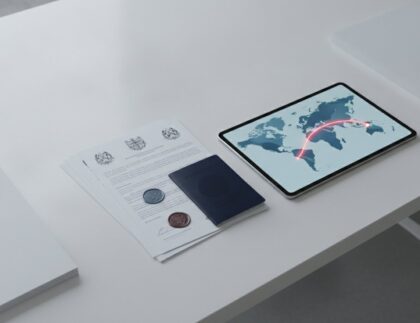
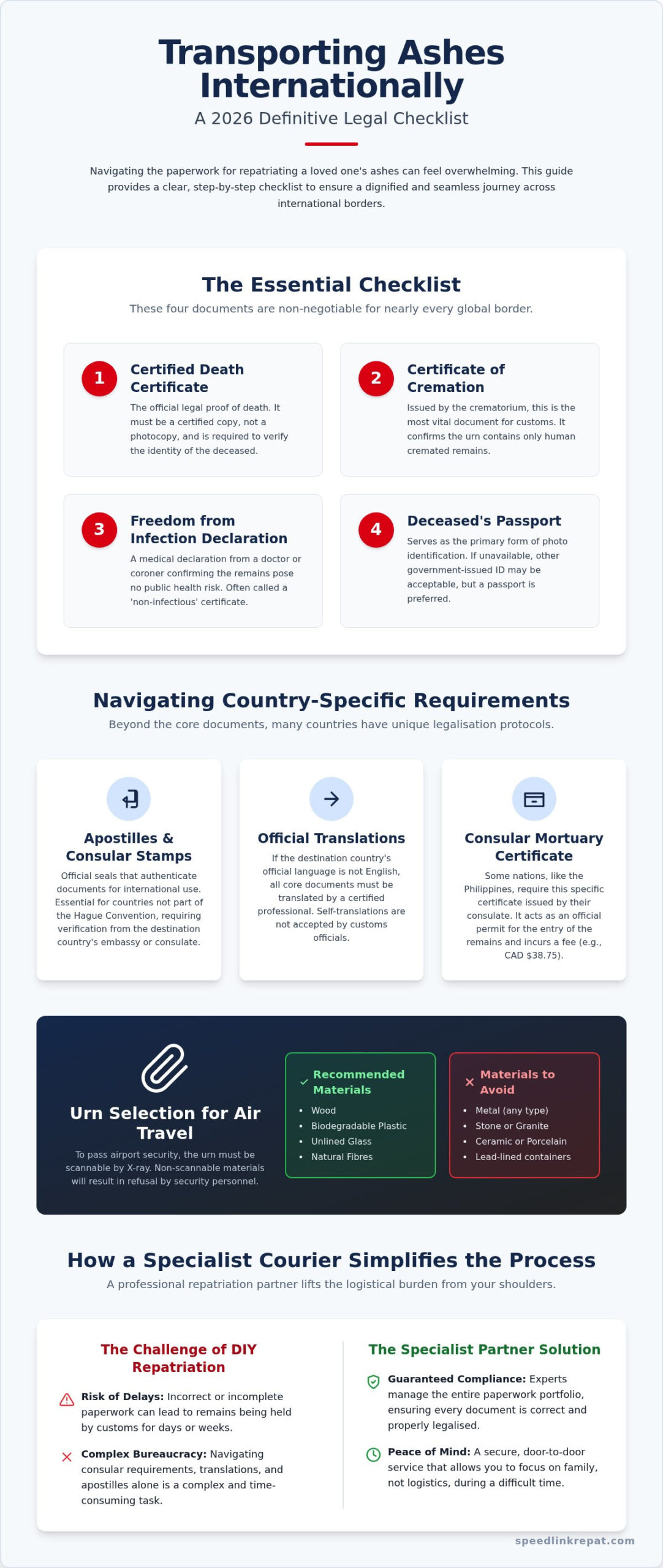
Every international journey begins with a foundational set of paperwork that serves as the legal voice for your loved one. When compiling the documents needed to transport ashes internationally, four specific items remain non-negotiable across nearly every global border. These include the certified copy of the death certificate, the certificate of cremation, a ‘freedom from infection’ declaration, and the deceased’s passport. Each document plays a distinct role in ensuring customs officials can verify identity and safety without delay.
The Importance of the Cremation Certificate
The original certificate of cremation, issued by the crematorium, is the most vital piece of evidence for customs clearance. It confirms that the remains are indeed cremated and provides a direct link to the legal death record. It’s essential to ensure that the name and details on this certificate exactly match the labels on the outer packaging and the urn itself. Discrepancies can lead to painful holdups. If an original is lost or damaged, you must contact the issuing crematorium immediately to secure a certified duplicate before attempting travel.
Medical Declarations and Health Certificates
Security protocols at airports and borders often require a medical declaration, sometimes called a ‘non-infectious’ certificate. This document, typically provided by a doctor or coroner, confirms the remains pose no risk to public health. While ashes are sterile, many countries still mandate a health declaration for entry. This paperwork is particularly helpful when passing through aviation security, as it provides context for the contents of the urn during X-ray checks. Adhering to TSA requirements for transporting ashes is also critical, specifically using urns made from scannable materials like wood or biodegradable plastic to avoid scanning issues. If you feel overwhelmed by these requirements, you can speak with our team for guidance on gathering the correct certificates.
Navigating Country-Specific and Consular Requirements
While core certificates provide a foundation, many nations require additional layers of verification. Navigating the documents needed to transport ashes internationally often involves securing consular stamps or Apostilles. These are official seals that authenticate the signatures on your documents for use abroad. For instance, routes like USA to Italy or USA to Ireland often require direct coordination with consulates. Some countries, such as the Philippines, mandate a Consular Mortuary Certificate, which carries a specific fee of CAD $38.75 as of April 2026.
In addition to these seals, you may need professional translation services if the destination’s official language isn’t English. A ‘Letter of Contents’ is also standard practice; this is a declaration from a funeral director or specialised courier confirming that the urn contains only cremated remains and has been sealed correctly. This document provides an extra layer of assurance for customs officers during their inspection.
Transatlantic Shipping: USA to UK Documentation
Transporting remains from the United States requires strict adherence to TSA guidelines for transporting ashes, particularly regarding container materials. If you’re moving ashes from the UK to the US, an ‘Out of England’ certificate is required from the local coroner. SpeedLink Repatriation specialises in bridging these specific US and UK regulatory gaps, ensuring a seamless transition between jurisdictions whilst maintaining full compliance with both nations’ laws.
Apostilles and Legalisation
An Apostille is a specialised certificate used to legalise documents for countries that are members of the Hague Convention. This is frequently required for destinations in Europe and Asia to prove that the death or cremation certificate is genuine. The process of getting documents ‘legalised’ at an embassy can be time-consuming, but a specialised logistics provider can often expedite these steps. If you’re facing complex consular hurdles, contact our experts to handle the legalisation on your behalf.
How a Specialist Courier Simplifies Bereavement Logistics
Families often choose a professional courier to navigate the intricate web of bereavement logistics because it removes the burden of administrative error. A specialist service manages the entire paperwork trail, providing a door-to-door solution where the courier handles every customs interaction on your behalf. This intervention is vital for reducing the risk of emotional exhaustion, as even a minor mistake in the documents needed to transport ashes internationally can lead to distressing delays or the remains being held by authorities.
The Advantage of Expert Customs Clearance
Next Steps for Your Loved One’s Journey
The 2026 legal requirements for international ashes transport are comprehensive, but they don’t have to be navigated alone. From death certificates to Apostilles, every piece of paperwork serves to protect the dignity of the deceased and ensure their safe arrival. Beginning with a professional consultation allows you to gain a clear understanding of the specific requirements for your destination country. For expert assistance with your documentation, contact the SpeedLink Repatriation team today.
Ensuring a Dignified Path Forward
Identifying the documents needed to transport ashes internationally is a vital step in honouring your loved one’s final wishes. We have examined the necessity of core certificates, the intricacies of consular legalisation, and the importance of adhering to specific security guidelines. Whilst the bureaucratic trail can feel overwhelming during a time of grief, remember that these regulations exist to ensure the safe and respectful passage of remains across global borders.
You don’t have to carry this logistical burden alone. As specialists in USA to UK bereavement logistics and complex international customs clearance, SpeedLink Repatriation provides dignified door-to-door courier solutions tailored to your specific requirements. We handle the intricate paperwork so you can focus on your family. To ensure every detail is managed with precision and care, Request a Professional Ashes Repatriation Consultation with our team today. We are here to guide you through every step of this journey with the empathy and expertise you deserve.
Frequently Asked Questions
Do I need a death certificate to transport ashes internationally in 2026?
Yes, a certified copy of the death certificate remains the most critical requirement for any cross-border movement. It serves as the primary legal record of the deceased and is the first item inspected by customs officials. Without this foundational paperwork, you cannot secure the subsequent cremation or health certificates required for the journey. It’s essential to carry multiple certified copies to satisfy different jurisdictional checks.
Can I carry ashes as hand luggage or must they be shipped as cargo?
You can often carry ashes as hand luggage, provided the airline permits it and you have the correct documentation. However, shipping as cargo through a specialised courier is frequently preferred for international routes. This method ensures that all customs interactions are handled professionally before arrival, reducing the risk of being stopped at security. Cargo transport also allows for more robust, protective packaging than typical cabin bags.
What is a ‘Freedom from Infection’ certificate for cremated remains?
A ‘Freedom from Infection’ certificate is a formal medical declaration issued by a doctor or coroner. It confirms that the remains pose no risk to public health, which is a key part of the documents needed to transport ashes internationally. Whilst the cremation process naturally sterilises the remains, this certificate provides the legal assurance required by many national health authorities to grant entry into their territory.
Does the urn need to be X-ray compatible for international travel?
The urn must be X-ray compatible to pass through airport security without being opened. Security officers, particularly under TSA regulations, will not open a container even if requested. Urns made from wood, plastic, or biodegradable materials are ideal as they allow the scanner to see the contents clearly. If the urn is made of dense metal or stone, it may be refused carriage because it appears opaque on the screen.
How long does it take to get the required documents for ashes repatriation?
The timeline for gathering paperwork typically ranges from two to six weeks, depending on the destination’s consular requirements. Whilst local death and cremation certificates are issued relatively quickly, securing Apostilles or embassy legalisation can introduce delays. Engaging a specialist helps streamline this process, as they often have established relationships with consulates to ensure the documents needed to transport ashes internationally are processed as efficiently as possible.

Article by
David McMillen
I started my career in logistics over 30 years ago which has spanned 2 continents and several different types of courier and logistics operations. I lost my dear Mum back in 2016 and it was in the aftermath of her passing that SpeedLink Repatriation was born. We have endeavoured to bring the same care and attention to all of our clients as my mum received and to date we have helped repatriate hundreds of individuals across the globe.
Disclaimer
International requirements for cremated remains vary by origin, destination, carrier and method of transport and may change without notice.
Content is provided as general guidance and should not be treated as legal advice.
Where necessary, current requirements should be confirmed with the relevant government authority, customs authority, embassy, consulate, postal operator, airline or carrier.
SpeedLink can advise on the requirements applicable to a specific shipment.