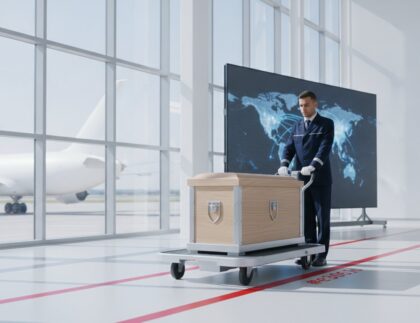
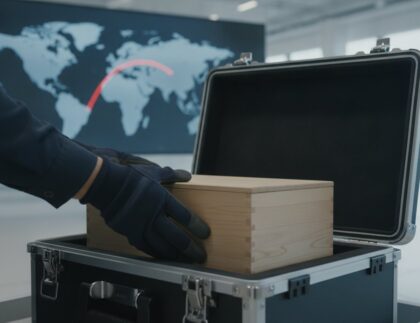
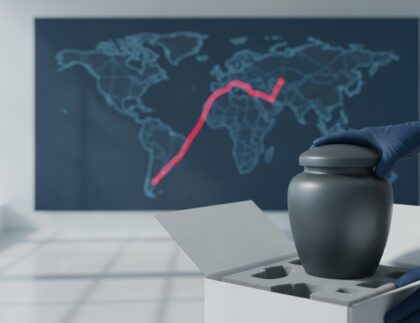
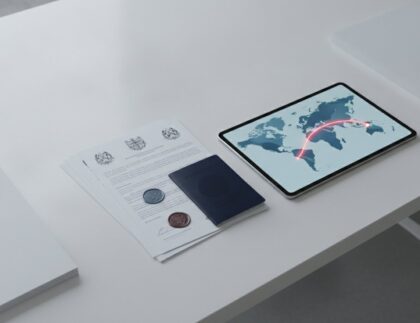
What if the final journey you plan for a loved one is met not with a quiet arrival, but with the cold uncertainty of a customs delay? You’ve already endured the profound weight of loss, and the thought of your loved one’s remains being treated as mere cargo is understandably distressing. It’s natural to feel overwhelmed by the conflicting requirements of Australian health departments and American border protocols whilst trying to find a safe way home. This guide provides the professional clarity you need for repatriating ashes from Australia to the USA, ensuring every legal and logistical detail is handled with the utmost dignity.
We’ll explore the essential 2026 documentation, such as the electronic CRODA issuance, and explain why a specialised courier is the most secure alternative to standard postal services. By following our structured checklist, you can move forward with the peace of mind that your loved one is in expert hands. We’ll break down the complex TSA and CDC regulations into digestible steps, allowing you to focus on what truly matters: honouring a life well lived and ensuring a respectful return.
Key Takeaways
- Navigate the updated 2026 legal landscape by understanding how to secure essential documents like the Australian Death Certificate and the Consular Report of Death of a U.S. Citizen Abroad (CRODA).
- Learn the requirements for repatriating ashes from Australia to the USA, including how to synchronise health clearances with American border protocols to avoid customs delays.
- Identify the most suitable urn materials and specialised packaging techniques that comply with TSA security standards for international air travel.
- Discover the benefits of a professional door-to-door courier service that manages the entire logistical journey, providing a dignified and secure chain of custody.
Understanding the Journey: Australia to USA Ashes Repatriation
Repatriation is the dignified act of returning a loved one’s cremated remains to their country of origin or final resting place. When repatriating ashes from Australia to the USA, you’re bridging a vast distance of over 7,000 miles across the Pacific Ocean. This isn’t merely a logistical task; it’s a journey carrying immense emotional weight. Ensuring this process adheres to global standards for repatriating remains is vital for both legal compliance and personal closure.
Most standard international couriers and postal services refuse to handle human remains. This is often due to internal policies regarding prohibited items or complex insurance limitations. Without a dedicated provider, families often face the anxiety of their loved one’s ashes being treated as general freight. A professional service establishes a dignified chain of custody, ensuring the remains are never left unattended or processed through automated sorting hubs where accidents can occur.
Why Specialist Bereavement Logistics are Essential
Standard air mail lacks the oversight required for such a precious cargo. Whilst Australia Post can facilitate domestic transfers, international regulations for the USA are significantly more stringent. Specialist bereavement logistics providers offer:
- End-to-end tracking: Real-time updates that provide certainty during the long transpacific flight.
- Regulatory expertise: Deep knowledge of 2026 TSA and CBP requirements for non-scannable urns.
- Airline liaison: Professional coordination with carriers, as many airlines only permit remains in the cabin or as manifest cargo with specific documentation.
By using a dedicated courier for repatriating ashes from Australia to the USA, you avoid the risk of remains being held in customs due to paperwork errors. It’s about providing a steady hand through a complex system, allowing the family to focus on their grief rather than the mechanics of transport.
Essential Documentation and Legal Requirements for 2026
Successfully repatriating ashes from Australia to the USA depends on a precise paper trail. In 2026, the two foundational Australian documents remain the certified Death Certificate and the Cremation Certificate. These verify the identity of the deceased and the method of disposition. Whilst Australian documents are issued in English, it’s vital to ensure they’re clear and legible to prevent any delays with US officials who may not be familiar with regional Australian formats. If the death occurred in a territory amongst Australia’s external islands, a certified translation might be required to avoid confusion at the border.
The Australian Export Process
Before leaving Australian soil, remains must meet specific health and export standards. You’ll need to organise health clearances with the Australian Department of Agriculture, Fisheries and Forestry. Every shipment must also include a formal ‘Statement of Contents’ to satisfy customs officers. The Consular Report of Death of a U.S. Citizen Abroad (CRODA) serves as the primary legal document for remains entering the United States. In 2026, most Australian states issue these electronically, which helps speed up the verification process at the border.
US Import and TSA Compliance
Upon arrival, the Transportation Security Administration (TSA) requires that urns be made of scannable materials, such as wood, plastic, or biodegradable composites. They won’t open an urn under any circumstances; if it can’t be X-rayed, it won’t be cleared. According to U.S. import regulations for cremated remains, a death certificate must accompany the remains at all times to satisfy customs protocols. Professional couriers manage the complex ‘Declaration for Importation’ with US Customs and Border Protection (CBP) on your behalf. If you’re feeling overwhelmed by these technicalities, you can request a professional consultation to ensure every document is in order for repatriating ashes from Australia to the USA.
Packaging and Logistics: Ensuring Safe Transpacific Transit
The physical journey across the Pacific requires more than just standard boxes. When repatriating ashes from Australia to the USA, selecting the correct urn is the first step in ensuring a safe transit. Whilst scannable materials are required for security, they must also be durable enough to withstand high-altitude pressure changes. Suitable options include:
- Solid wood: Naturally scannable for TSA X-rays and highly durable.
- High-density ceramic: Acceptable if not lead-lined or excessively thick.
- Biodegradable composites: Lightweight and ideal for families planning a water burial in the States.
A professional packaging service ensures the urn is placed within a shock-absorbent outer shipping container. This secondary layer prevents structural damage and provides a discreet, dignified appearance during transit. Real-time tracking provides a constant connection to your loved one, offering the reassurance that they’re moving steadily toward their final destination.
Safe Handling Protocols
To maintain a dignified chain of custody, the inner vessel must be hermetically sealed. This prevents leakage and protects the remains from environmental factors during the long-haul flight. Clear, respectful labelling is mandatory. In accordance with IATA standards, packages must be marked as ‘Human Remains’ and ‘Fragile’. These markings ensure that every handler in the logistics chain recognises the sensitive nature of the cargo, treating it with the stewardship it deserves.
Navigating Customs Clearance
The transition between Australian and American jurisdictions is where delays most often occur. A specialist courier acts as a dedicated customs broker, managing the complex handover between international logistics and local US delivery teams. This level of oversight is modelled on our Australia to Europe courier services, which set the global benchmark for secure bereavement transport. By maintaining a single point of contact, you eliminate the confusion of dealing with multiple agencies. If you’re ready to arrange a secure transfer, you can book a professional courier service to manage every logistical detail with precision.

Arranging a Seamless Transfer with Professional Support
Initiating the process of repatriating ashes from Australia to the USA can be done from either side of the Pacific. Whether you’re currently in the United States or still in Australia, the journey begins with a compassionate consultation. A door-to-door service is the most secure option, as it provides a single, unbroken chain of custody. This eliminates the confusion of managing multiple handovers between different logistics firms and ensures that your loved one is never treated as mere freight during the long journey home.
During your initial discussion with a bereavement logistics expert, you’ll receive a methodical roadmap of the journey ahead. We review the specific 2026 documentation requirements and verify that every health clearance is in place before the transit starts. This expert oversight allows you to step back from the logistical burden. Instead of worrying about complex customs protocols or transpacific flight schedules, you can dedicate your energy to planning a memorial or scattering ceremony that truly honours your loved one’s life and legacy.
The SpeedLink Approach to Dignity
Our people-first philosophy ensures that every transpacific transfer is handled with profound empathy and professional composure. We act as an ethical guardian for the remains, maintaining a steady hand through every regulatory hurdle. We coordinate directly with Australian crematoria and US funeral homes, managing the transition between jurisdictions so you don’t have to. This seamless cooperation ensures that professional standards are upheld from the moment of collection to the final delivery. If you’re ready to begin this journey, you can request a tailored consultation to organise the repatriation of ashes with the care and precision your family deserves.
Bringing Your Loved One Home with Confidence
The journey of repatriating ashes from Australia to the USA involves more than just crossing borders; it’s about honouring a legacy with every mile travelled. By ensuring your documentation meets the 2026 CRODA standards and selecting scannable, TSA-compliant packaging, you remove the barriers that often cause distress. A secure, door-to-door transport solution provides the professional clarity needed to navigate complex transpacific regulations whilst avoiding the risks associated with standard postal services.
As a specialist international ashes courier, we’re here to act as your steady hand. We provide comprehensive assistance with all 2026 customs documentation and offer a dignified door-to-door service that prioritises care over commerce. Taking the first step doesn’t have to be overwhelming when you have a partner committed to a people-first philosophy. Contact our compassionate experts to arrange your loved one’s return. You can rest assured that your loved one will receive the respect and stewardship they deserve on their final journey home.
Frequently Asked Questions
Can I carry ashes on a flight from Australia to the USA myself?
You can carry ashes as hand luggage on most commercial flights between Australia and the USA. However, you must notify the airline in advance and ensure the container is scannable and leak-proof. Whilst possible, many families find the emotional burden and the risk of security delays too high. A professional courier service removes this stress by managing the entire chain of custody on your behalf.
How long does the repatriation process typically take between Australia and the USA?
The timeline for repatriating ashes from Australia to the USA typically ranges from 10 to 14 business days. This duration depends on the speed of local Australian death registrations and the processing time for the Consular Report of Death. Using a specialised courier often accelerates this process, as they handle customs clearance and logistical handovers more efficiently than standard cargo or postal channels.
What happens if the urn cannot be X-rayed at the airport?
If an urn is made of non-scannable material like lead or certain metals, the TSA will refuse its passage. Security officers are strictly prohibited from opening an urn, even at the family’s request. To avoid this distressing situation, we recommend using wood, ceramic, or plastic vessels. Our professional packaging service ensures your chosen urn meets all 2026 security standards before it leaves Australia.
Are there specific health regulations for importing ashes into the United States in 2026?
Cremated remains do not require a CDC permit for entry into the United States. Since the cremation process effectively sterilises the remains, they aren’t subject to the same public health restrictions as uncremated bodies. You must, however, ensure the shipment is accompanied by a certified death certificate or cremation certificate to satisfy US Customs and Border Protection officials during the import process.
Does the Consular Report of Death replace the need for an Australian Death Certificate?
No, the Consular Report of Death of a U.S. Citizen Abroad (CRODA) works in tandem with the Australian Death Certificate. The Australian document serves as the local legal record of the passing, whilst the CRODA is the essential US legal document for remains. Both are required for a seamless transit. Our team assists with coordinating these documents to ensure every 2026 regulatory requirement is met without delay.

Article by
David McMillen
I started my career in logistics over 30 years ago which has spanned 2 continents and several different types of courier and logistics operations. I lost my dear Mum back in 2016 and it was in the aftermath of her passing that SpeedLink Repatriation was born. We have endeavoured to bring the same care and attention to all of our clients as my mum received and to date we have helped repatriate hundreds of individuals across the globe.
Disclaimer
International requirements for cremated remains vary by origin, destination, carrier and method of transport and may change without notice.
Content is provided as general guidance and should not be treated as legal advice.
Where necessary, current requirements should be confirmed with the relevant government authority, customs authority, embassy, consulate, postal operator, airline or carrier.
SpeedLink can advise on the requirements applicable to a specific shipment.