Entrusting a loved one’s remains to a standard courier isn’t just a logistical risk; it’s a legal gamble that could result in your most precious cargo being seized or lost. You likely feel the immense weight of this responsibility, fearing that a single paperwork error or an opaque urn might lead to a heartbreaking delay at customs. It’s emotionally exhausting to manage grief while trying to learn how to arrange transport of ashes amidst shifting international mandates and strict postal regulations.
This guide provides the professional clarity you need to move forward with absolute security and dignity. We’ll help you navigate the complex landscape of 2026 requirements, ensuring your loved one is treated with the stewardship they deserve. You don’t have to carry this logistical burden alone during such a sensitive time.
We will outline the mandatory USPS Box-CRE packaging rules that became effective in 2025, clarify TSA’s scanning requirements for air travel, and explain how a dedicated bereavement logistics partner can provide a guaranteed, door-to-door solution for international repatriation. By the end of this article, you’ll have a clear roadmap for a compliant and respectful journey home.
Key Takeaways
- Identify the three essential documents required for legal compliance, including the vital Non-Infectious Note for international transit.
- Learn how to arrange transport of ashes using professional double-containment techniques to prevent leakage during atmospheric pressure shifts.
- Compare the security of automated postal sorting against the personal stewardship and GPS tracking provided by a dedicated courier.
- Understand why specialized USA to UK repatriation services provide a more dignified alternative to the stress of hand-carrying remains through airport security.
- Gain peace of mind by discovering how bereavement logistics experts manage every legal detail and customs requirement on your behalf.
Understanding Your Options for Transporting Cremated Remains
Deciding how to move a loved one’s remains is a profound responsibility. While domestic transport within a country often follows established postal routes, international repatriation introduces a layer of complexity that can feel overwhelming. Understanding how to arrange transport of ashes requires looking beyond simple logistics; it involves choosing a method that honors the deceased while protecting the family from unnecessary distress. The history and process of cremation reflects a deep cultural respect for remains across centuries, and the modern transport process should mirror that same level of care and ethical responsibility.
Many families initially consider standard postal services or carrying the remains themselves. However, the reality of modern global travel and shipping has made these options increasingly difficult to manage without professional guidance. Automated sorting belts, high-pressure cargo holds, and complex customs checkpoints are designed for commercial goods. They don’t account for the emotional weight of the cargo. Choosing a method isn’t just about the destination; it’s about ensuring the journey is handled with a steady hand and a compassionate heart. Families who want a comprehensive overview of the entire process from start to finish will find it helpful to learn how to get ashes repatriated through a dignified step-by-step guide that covers every legal and practical requirement for 2026.
Hand-Carrying Ashes: Airline and TSA Rules
Taking ashes on a flight as a carry-on is a common choice, but it’s becoming more regulated and stressful for grieving families. As of 2026, the TSA and international security agencies require urns to be made of X-ray compatible materials like wood, plastic, or biodegradable cardboard. If a container is opaque to the scanner, security officers are strictly prohibited from opening it to verify the contents. They’ll simply deny it passage. Experts strongly discourage placing remains in hold luggage due to the high risk of loss, damage, or theft. Most airlines now require you to notify them at least 48 hours before your flight to ensure you meet their specific documentation and container requirements.
The Limitations of Standard Courier Services
It’s a common misconception that global couriers like DHL, FedEx, or UPS can handle this task. In reality, most major private carriers strictly prohibit the transport of human remains in their terms of service. Attempting to use these services without proper declaration risks the seizure of the package as a prohibited item, which can lead to agonizing legal delays. Even when permitted by certain national post offices, the “hub-and-spoke” model means your loved one’s remains are treated as just another parcel on a conveyor belt. Specialist bereavement logistics providers offer a necessary alternative. They replace automated systems with personal stewardship and direct oversight, ensuring your loved one is never treated as mere freight. Before committing to any provider, consulting a thorough ashes repatriation company selection checklist can help you identify the key criteria that separate a truly specialist service from a standard courier operating outside its expertise.
Essential Documentation and Legal Requirements for 2026
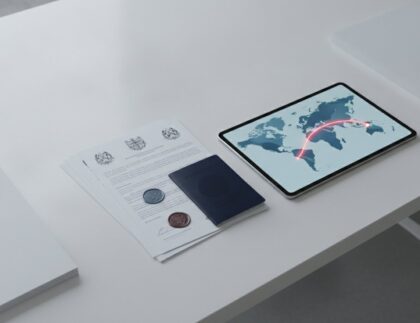
Securing the correct legal paperwork is the most critical step when you’re learning how to arrange transport of ashes across international borders. Without a complete dossier, remains can be delayed at customs for days or even weeks, adding unnecessary stress to an already difficult time. In 2026, the global standard for repatriation relies on a “core triad” of documents: the official Death Certificate, the Cremation Certificate, and a Non-Infectious Note. This final document, often called a “Freedom from Infection” statement, is a formal declaration from the crematorium or a medical professional confirming that the remains pose no risk to public health.
For those managing the specific USA to UK repatriation corridor, additional steps are often required. You’ll need to ensure that your documents are recognized by both jurisdictions, which sometimes involves obtaining an Apostille or a formal seal from the relevant Consulate. While TSA regulations for transporting ashes focus primarily on physical security at the airport, international customs officials are far more concerned with the provenance of the remains and the legality of the transit. If this feels overwhelming, a dedicated USA to UK ashes courier service can act as your single point of contact to handle these bureaucratic hurdles.
Digital documentation has significantly streamlined the 2026 repatriation landscape. Many jurisdictions now issue e-certificates with secure QR codes, allowing customs brokers and bereavement logistics specialists to verify paperwork instantly. This shift has reduced the typical transit time by several days, though physical copies of the core triad should always accompany the urn during its journey home.
The International Cremation Certificate
This certificate serves as the primary proof of identity for the remains. It’s vital to verify that the name on the certificate matches the name on the urn’s nameplate and the deceased’s passport exactly. If you’re moving between countries where English isn’t the primary language, you’ll need a certified translation. Always ensure the certificate is issued by a licensed crematorium and contains the official seal of the facility to avoid challenges at the border.
Customs Declarations and Import Duties
Cremated remains are generally exempt from standard import duties, but they must still be declared correctly. Using the proper HS code for “cremated human remains” is essential to ensure the package is routed through the correct customs channels. In high-regulation territories, the intervention of a specialized customs broker is often the only way to bypass automated systems that might otherwise flag the shipment as standard commercial freight. This professional oversight ensures your loved one is treated with the dignity they deserve rather than being held in a generic warehouse.
Comparing Professional Couriers vs. Postal Services
Choosing the right carrier is about more than cost; it’s about security. When researching how to arrange transport of ashes, you’ll find two main paths: the national postal system or a private bereavement courier. While the USPS guidelines for shipping cremated remains allow for domestic and international transit, these remains are processed alongside millions of standard commercial parcels. This creates a significant gap in stewardship. A dedicated courier offers real-time GPS tracking and personal oversight, replacing the uncertainty of automated scans with constant, human-led monitoring. You’ll know exactly where your loved one is at every moment, providing a level of peace that standard mail simply can’t match.
Handling differences are equally stark. Postal systems rely on automated sorting belts and gravity-fed chutes that can be physically taxing on a package. In contrast, professional bereavement logistics focuses on a white-glove approach. This means your loved one’s remains stay in the hands of a trained professional rather than being tossed into a cargo container. This personal touch is vital for international journeys where packages pass through multiple hand-off points. Proactive customs clearance also sets professional services apart. Instead of waiting for a customs official to flag a box, a specialist courier submits documentation in advance. This ensures the remains move through the border without a moment of unnecessary delay, often cutting days or even weeks off the total transit time compared to reactive postal methods.
The Risk of Postal Delays and Loss
Postal services are designed for volume. In high-volume mail environments, items can be misrouted or damaged. Tracing a missing item in a global network is notoriously difficult once it enters the international stream. Most standard postal insurance policies are void for human remains, which means they don’t provide protection for such a sensitive shipment. If a border delay occurs, postal authorities often take a reactive approach, leaving families waiting for weeks in a state of uncertainty.
The Benefits of Door-to-Door Bereavement Logistics
Opting for a professional USA to UK ashes courier service removes the logistical weight from your shoulders. A specialist provider maintains a strict chain of custody protocol, ensuring a signature is required at every stage. This door-to-door service means the same level of care is applied from collection to final delivery. By managing the final mile with empathy, these services ensure the journey concludes with the dignity it deserves. You don’t have to worry about navigating customs sheds yourself.

Step-by-Step Guide to Preparing Ashes for Transit
Preparing a loved one for their final journey requires a blend of technical precision and emotional care. When you’re determining how to arrange transport of ashes, the physical packaging is your primary defense against transit accidents. It’s not just about finding a beautiful vessel; it’s about ensuring that vessel is robust enough to withstand the rigors of international travel. Following a strict protocol protects the remains and ensures that customs officials can perform their duties without disturbing the contents. Taking these steps provides a sense of control and security during a period that often feels chaotic.
Choosing a Transit-Safe Urn
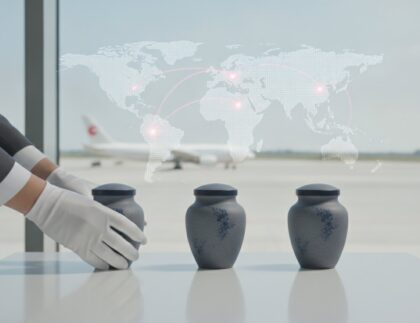
Aesthetic preferences often lean toward heavy metals or polished granite, but these materials are problematic for international transit. Security scanners cannot see through lead or thick stone, which can lead to a refusal of carriage at the border. Instead, opt for wood, ceramic, or high-density plastic. Many families use a simple, lightweight transit container for the journey and carry the permanent memorial urn separately. This approach ensures the remains pass through X-ray checks without delay while keeping the decorative urn safe from potential scratches or fractures. If you’re planning a water burial, biodegradable urns are an excellent choice that meets both airline and environmental standards.
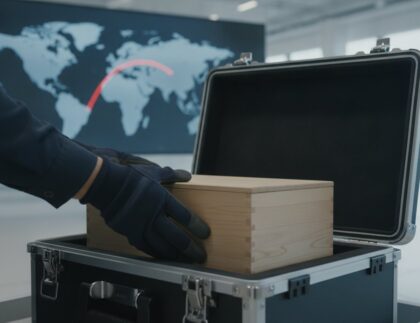
The “Double-Containment” rule is a non-negotiable standard in bereavement logistics. This involves placing the ashes in a sealed, heavy-duty internal bag before it’s placed inside the urn. This second layer is crucial because air pressure changes in aircraft can cause containers to expand or shift. A secure internal seal prevents any possibility of leakage. Before the final outer box is closed, verify that the lid of the urn is securely fastened and won’t vibrate loose during transit.
Professional Packaging Protocols
Standard bubble wrap isn’t always enough for delicate urns. Professional handlers use specialized shock-absorbent foam or custom-fitted inserts to eliminate movement within the shipping crate. You should place the original Cremation Certificate in a clear, waterproof sleeve attached directly to the urn or tucked just inside the outer lid for immediate customs inspection. Hermetic sealing refers to the process of creating an airtight closure that prevents the passage of air, moisture, or particulate matter. If this process feels too technical or emotionally taxing, our professional packaging service can handle every detail with the necessary specialized equipment and care.
The outer packaging must be discreet yet clearly labeled for those handling it. Avoid using high-profile bereavement terms on the box to prevent unwanted attention. Instead, use the required tracking barcodes provided by your courier and ensure the “Cremated Remains” marking is visible if required by your specific carrier. Perform a final check by gently tilting the package; if you hear any movement, add more padding. Ensuring a tight, silent fit is the best way to guarantee a dignified arrival at the final destination.
Why a Specialist Courier is the Most Dignified Choice
Moving beyond the transactional nature of “shipping” is essential when honoring a life. While previous sections detailed the technicalities of documentation and packaging, the final decision on how to arrange transport of ashes should prioritize empathy and integrity. A specialist courier doesn’t see a box; they see a family’s history and a person’s legacy. This distinction is what transforms a logistics task into a service of stewardship. By choosing a partner dedicated to bereavement logistics, you ensure that every mile of the journey is covered with the respect it deserves.
SpeedLink Repatriation specifically handles the complex USA-UK logistics bridge with a level of precision that general carriers cannot replicate. We understand that international borders represent more than just legal hurdles; they’re emotional milestones. Our team manages the entire process, from secure storage to final delivery, acting as a steady hand during a period of profound exhaustion. This comprehensive approach reduces the administrative burden on your family, allowing you to focus on remembrance rather than regulations. Families who want to ensure they are selecting the right provider for this responsibility will benefit from reviewing the essential criteria outlined in our guide to choosing an ashes repatriation company that meets 2026 compliance and ethical standards.
The peace of mind provided by a dedicated bereavement coordinator is perhaps the most valuable part of the service. You aren’t left to track a package through a generic website. Instead, you have a single point of contact who understands the personal nature of the task and provides transparent updates. This level of personal attention ensures that the process remains methodical and calm, providing a sense of security when you need it most.
SpeedLink’s People-First Philosophy
Our commitment is built on the belief that every loved one should be treated as a family member, never a tracking number. With over 20 years of experience in specialized logistics, we’ve refined a protocol that prioritizes personal attention and ethical responsibility. We coordinate directly with funeral directors globally to streamline the hand-off process, ensuring a seamless chain of custody. This professional composure, paired with deep empathy, has made us a trusted guardian for families during their most difficult times.
Next Steps: Arranging Your Transport
Taking the first step toward repatriation doesn’t have to be a solitary effort. When you’re ready to learn more about how to arrange transport of ashes, our team is here to provide a tailored quote for both international and domestic journeys. To help us serve you better, please have the current location of the remains, the destination address, and any available cremation documentation ready for your initial consultation. This information allows our bereavement coordinators to build a precise plan that respects both your timeline and your loved one’s dignity.
You deserve a partner who understands the weight of this task. We invite you to Speak with a compassionate specialist at SpeedLink Repatriation today to discuss your needs with absolute transparency and care.
Securing Your Loved One’s Final Journey Home
SpeedLink Repatriation, a specialized division of SpeedLink Transport Limited established in 2003, brings decades of expertise to every case. Our dedicated bereavement logistics team focuses specifically on the complexities of USA-UK transatlantic repatriation, ensuring that your loved one never becomes just another parcel in a sorting hub. We provide a single point of contact to manage every customs hurdle and logistical detail with professional composure and deep respect for the personal nature of the task.
You don’t have to navigate these requirements alone. Please contact our team to Request a Dignified Quote for Ashes Transport and let us provide the steady hand you need. We’re here to ensure your loved one is returned home with the stewardship and care they deserve.
Frequently Asked Questions
Can I take ashes on a plane as carry-on luggage in 2026?
Yes, carrying remains on a plane is permitted but requires an urn that security scanners can see through. TSA and international agencies strictly prohibit officers from opening a container even if requested. If the scanner can’t identify the contents, the remains will be denied passage. It’s best to use a temporary wooden or plastic vessel for the flight. Always notify your airline at least 48 hours before departure to confirm their specific documentation needs.
How much does it cost to ship ashes internationally?
International shipping costs depend on the destination, weight, and the level of stewardship required. While postal methods might appear cheaper, they lack the GPS tracking and personal oversight provided by bereavement logistics specialists. Factors like customs brokerage fees and specialized packaging also influence the final cost. When you learn how to arrange transport of ashes, it’s vital to consider the value of security and dignity alongside the financial investment.
What documents are required to send ashes from the USA to the UK?
Sending remains from the USA to the UK requires a specific set of legal documents to pass through customs. You must provide an original Death Certificate, a Cremation Certificate, and a Non-Infectious Note from the crematorium. Some cases also require a consular seal or an Apostille for international recognition. Using a dedicated USA to UK ashes courier service ensures all paperwork meets current 2026 standards before the journey begins, preventing unnecessary delays at the border.
Can I use DHL or FedEx to send cremated remains overseas?
Most global private carriers like DHL, FedEx, and UPS have strict policies prohibiting the transport of human remains. If remains are sent undeclared, they risk being seized as prohibited items, which causes immense distress for families. Specialist couriers bypass these risks by operating under legal frameworks specifically designed for bereavement logistics. These professionals ensure remains are declared correctly and handled with the necessary stewardship throughout the entire transit to avoid seizure.
Do I need a special urn for international shipping?
You need an urn that is both durable and X-ray compatible for international transit. Materials like wood, biodegradable cardboard, or high-density plastic are ideal because they allow security scanners to verify the contents without opening the vessel. Heavy metals or lead-lined urns are likely to be flagged or rejected. We recommend a “double-containment” approach, where ashes are secured in a sealed internal bag inside a robust, transit-ready container to prevent any leakage during travel.
How long does the international ashes repatriation process take?
The timeline for international repatriation typically ranges from five to fourteen days depending on the destination and documentation speed. Delays often occur at the administrative stage, such as waiting for consular approval or certified translations. Proactive bereavement logistics can often accelerate this process by handling customs paperwork in advance. This structured approach ensures your loved one reaches their final destination as quickly and respectfully as possible while keeping the family informed at every stage.
What happens if customs stops the transport of ashes?
Customs stops usually occur due to missing documentation or an urn that isn’t scannable. If a shipment is flagged, it can be held in a commercial warehouse until the correct paperwork is provided or the container is verified. This is why having a single point of contact is vital. Specialist couriers use proactive clearance protocols to resolve these issues before they cause a delay, ensuring the remains move through borders without being held in generic storage facilities.
Is it legal to split ashes before transporting them to different locations?
Yes, it’s perfectly legal to split ashes before transporting them to different global locations. Many families choose this option to honor several meaningful places or to share remains among relatives in different countries. We provide a professional ashes splitting service to ensure this is done with the highest level of care and dignity. Each portion is then packaged and documented separately to meet the legal requirements of its specific destination, allowing for multiple memorial services. Families navigating this process for the first time may also benefit from reading our detailed guide on how to get ashes repatriated internationally, which outlines every step required to meet 2026 legal standards across multiple jurisdictions.

Article by
David McMillen
I started my career in logistics over 30 years ago which has spanned 2 continents and several different types of courier and logistics operations. I lost my dear Mum back in 2016 and it was in the aftermath of her passing that SpeedLink Repatriation was born. We have endeavoured to bring the same care and attention to all of our clients as my mum received and to date we have helped repatriate hundreds of individuals across the globe.
Disclaimer
International requirements for cremated remains vary by origin, destination, carrier and method of transport and may change without notice.
Content is provided as general guidance and should not be treated as legal advice.
Where necessary, current requirements should be confirmed with the relevant government authority, customs authority, embassy, consulate, postal operator, airline or carrier.
SpeedLink can advise on the requirements applicable to a specific shipment.