Finding the perfect final resting place for a loved one is a deeply personal decision, yet the most meaningful location often exists behind a garden gate or across a private meadow. You might feel a strong pull towards a family estate or a friend’s woodland, but the fear of trespassing or breaching regulations can create unnecessary stress during an already difficult time. Understanding the nuances of scattering ashes on private land after:2026-05-12 ensures that your tribute remains a source of peace rather than a legal worry. It is natural to feel protective of these final moments and want everything to be handled with the utmost integrity.
This guide provides the clarity you need to move forward with confidence. You will discover the essential permissions required from landowners, the etiquette of approaching others for consent, and the practicalities of domestic or international transport. We will explore how to organise a ceremony that respects both the land and your loved one’s legacy. By the end of this article, you will have a clear, logistical roadmap for a dignified farewell that is as lawful as it is beautiful.
Key Takeaways
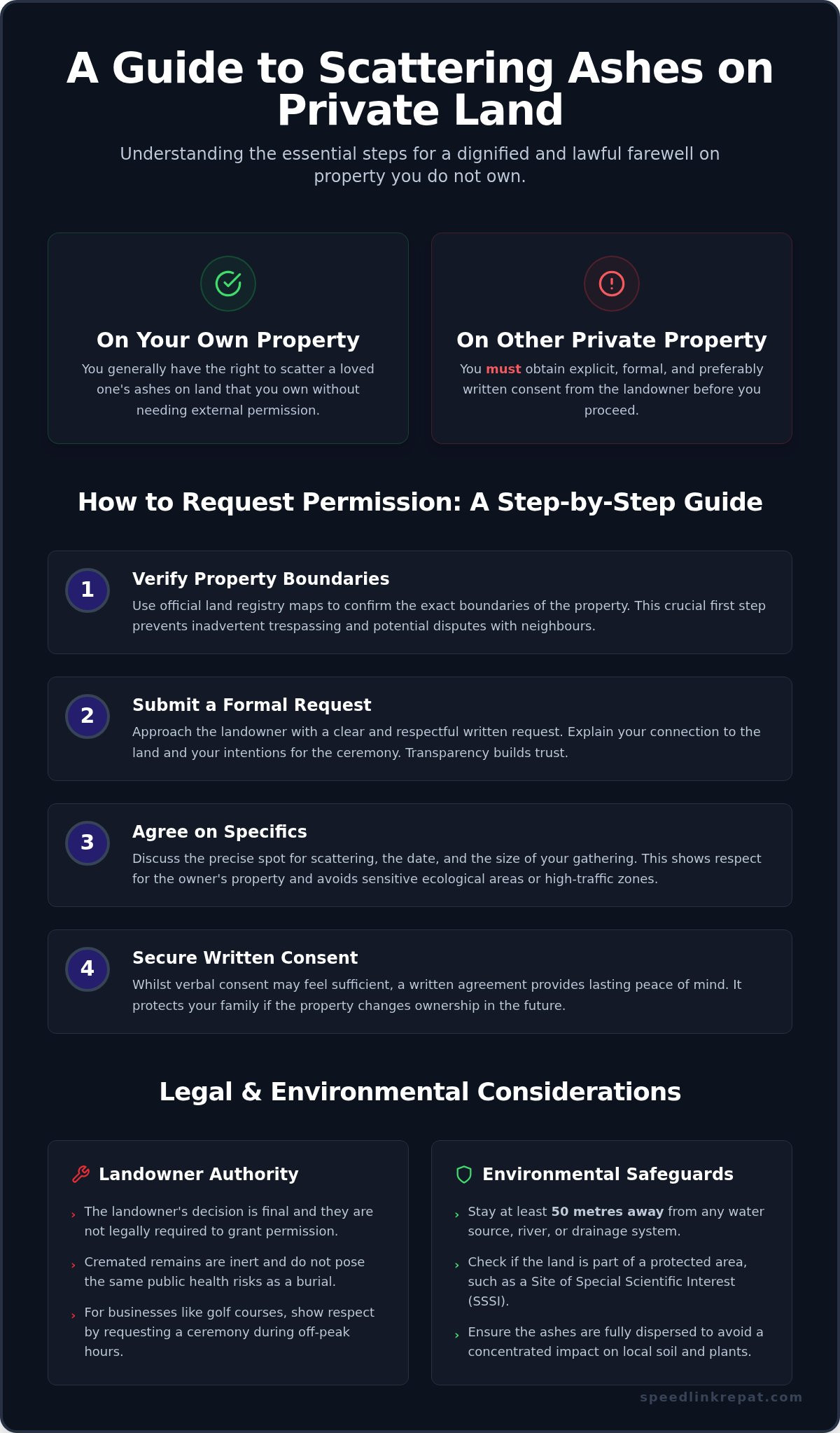
- Understand that whilst you generally have the right to scatter remains on your own property, you must obtain formal, written consent from the landowner for any other private location.
- Discover the secure logistical steps for scattering ashes on private land after:2026-05-12, including how a specialist courier can ensure remains arrive safely at remote or international estates.
- Learn how to approach landowners with a professional request that clearly defines your intentions and respects the legal boundaries of their property.
- Prepare for the practicalities of the day by understanding the physical consistency of remains and how to manage environmental factors like wind direction for a dignified ceremony.
Understanding the Legal Landscape of Scattering on Private Property
Private land encompasses a wide variety of locations, from personal back gardens and sprawling rural estates to working farmland and commercial properties. The fundamental rule is straightforward: you generally have the right to scatter on land you own. However, if you wish to proceed with scattering ashes on private land after:2026-05-12 that belongs to another individual or an organisation, you must obtain their explicit consent first. Legally, the Cremation process transforms remains into a substance that is not classified in the same way as a body. This distinction simplifies the logistics significantly, as ashes don’t carry the same public health risks or stringent burial regulations that apply to traditional interments.
The Rights of the Landowner
Landowners hold the final authority over their property. Whilst they might be sympathetic, they aren’t legally obliged to grant permission. When planning for scattering ashes on private land after:2026-05-12, a clear conversation with the owner is the first step toward a respectful ceremony. It’s also vital to consider the long-term implications of your choice. If the land is sold in the future, the new owners may not share the same sentiment or allow access for visits. This “future-proofing” is a common concern for families seeking a permanent memorial, so you should ensure that any agreement reached is documented to avoid confusion later.
Environmental and Public Health Considerations
From a regulatory perspective, scattering is often preferred over burial on private land because it doesn’t involve the same depth of soil disturbance. Even on large private estates, you should remain mindful of environmental impact. Avoid scattering near public water sources, boreholes, or protected habitats to comply with local land-use bylaws.
- Stay at least 50 metres away from any water source or drainage system.
- Check if the land is part of a Site of Special Scientific Interest (SSSI).
- Ensure the ashes are fully dispersed to prevent a concentrated impact on local vegetation.
How to Request Permission and Organise a Respectful Farewell
Before you proceed, it’s vital to confirm the exact boundaries of the property. Using official land registry maps ensures you don’t inadvertently scatter on a neighbour’s soil, which could lead to disputes. Once confirmed, approach the landowner with a clear, written request. This isn’t just about legality; it’s about transparency and mutual respect. Discussing the specific spot helps avoid high-traffic areas or ecologically sensitive zones that the owner may wish to protect. For those planning on scattering ashes on private land after:2026-05-12, a formal agreement is often the best way to secure future access for memorial visits, especially if the property is large or commercially managed.
Approaching Businesses or Estates
Approaching Businesses or Estates
Whilst a verbal ‘yes’ might feel sufficient amongst friends, a written record provides lasting peace of mind when scattering ashes on private land after:2026-05-12. It protects the family if the property changes hands or if local land-use bylaws are questioned years later. If permission is denied, don’t lose heart; many private estates border beautiful public lands where scattering is more easily permitted with a simple permit. If the logistics of reaching a remote private location feel overwhelming, you can speak with our team for guidance on secure transport and bereavement logistics.
Navigating the Logistics of Transporting Ashes to Private Locations
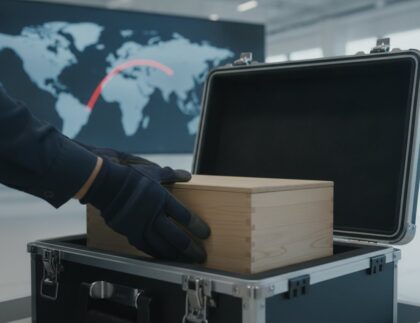
Professional packaging is essential for any journey. It isn’t just about a sturdy box; it’s about ensuring the container is secured against the vibrations and pressures of transit. This prevents accidents during the final leg of the journey to the scattering site. Ensuring the legal and safe transit for scattering ashes on private land after:2026-05-12 is a core part of bereavement logistics. It ensures every detail is handled with precision before the ceremony begins.
International Private Land Scattering
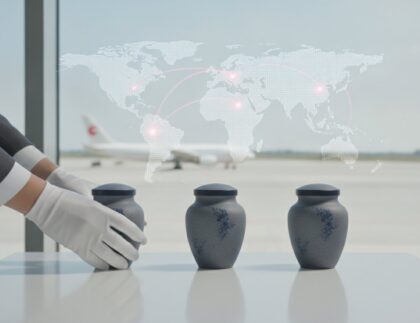
If the private land is abroad, you’ll need to navigate customs clearance and specific repatriation documents. This process can be daunting during a time of grief. Utilising dedicated routes, such as USA to UK ashes courier services, ensures that all international compliance is met without the family having to manage the paperwork themselves. These services provide a steady hand through the complexities of global regulations.
Secure Delivery for Peace of Mind
Most standard couriers explicitly refuse cremated remains. They often classify them as prohibited items, which can lead to distressing delays or even the refusal of service. Specialist providers offer a “people-first” chain of custody with real-time tracking. This level of personal attention ensures your loved one is never treated as mere cargo. If you’re planning a ceremony in a remote or international location, request a delivery quote to ensure a safe arrival.
Practical Considerations for the Day of the Ceremony
When the day arrives, many families are surprised by the physical consistency of the remains. Cremated remains are often heavier and more granular than people anticipate, behaving more like coarse sand than light ash. This makes weather protocols essential. Checking the wind direction is a vital step to ensure a dignified and controlled ceremony. You should always stand with the wind at your back to prevent the ashes from blowing back toward the participants. This simple check maintains the composure of the moment and ensures the process remains respectful for everyone present.
Respecting the private land’s ecology is equally important. Adopting a “leave no trace” principle ensures that your farewell does not negatively impact local wildlife or plant life. This involves fully dispersing the remains rather than leaving them in a concentrated pile. Additionally, managing group sizes is a key part of scattering ashes on private land after:2026-05-12. Large gatherings can be intrusive for the landowner and may disturb the peaceful nature of the property. Intimate gatherings are often the best way to honour the landowner’s generosity whilst ensuring that scattering ashes on private land after:2026-05-12 remains a quiet, personal tribute.
Choosing the Right Scattering Method
The terrain often dictates the best approach. Casting involves releasing the ashes into the air, whilst trenching requires digging a shallow groove in the soil to be covered later. Trenching is particularly effective in windy areas or on sloping terrain where you want to ensure the remains stay in a specific spot. Using biodegradable scattering tubes provides a more controlled experience, allowing for a steady and graceful release that minimises the risk of accidents or uneven dispersal.
Creating a Lasting Memorial Without Markers
Permanent plaques or headstones are often prohibited on private estates to maintain the land’s natural appearance. Instead, many families use GPS coordinates to mark the exact spot of the farewell. This allows you to return to the precise location without needing a physical marker. Organising a digital memorial or using a dedicated app provides a lasting way to remember the site, ensuring the legacy of your loved one is preserved without altering the private landscape or breaching the landowner’s conditions.
Planning a Meaningful and Lawful Farewell
Organising a final tribute on private soil allows for a deeply personal connection to a loved one’s favourite place. By securing formal permission from landowners and preparing for the practicalities of the day, you ensure the ceremony remains a source of comfort. Whether you’re navigating property boundaries or managing the physical consistency of remains, a methodical approach provides peace of mind. For those planning on scattering ashes on private land after:2026-05-12, the focus should always be on respect, both for the deceased and the environment.
The journey to a remote or international estate shouldn’t be a source of anxiety. Specialist support can take the burden of logistics off your shoulders, ensuring every detail is handled with precision. As a specialist international ashes courier, we offer secure, door-to-door bereavement logistics and expert handling of customs documentation. You can contact SpeedLink Repatriation for secure ashes transport and bereavement logistics. We’re here to help you coordinate a dignified farewell with the care and integrity your loved one deserves.
Frequently Asked Questions
Do I need a permit to scatter ashes on my own private garden?
You don’t usually need a formal permit to scatter remains within your own private garden. As the landowner, you hold the legal right to decide how the land is used for such personal tributes. It’s still sensible to ensure the ashes are fully dispersed to protect the soil’s health and local ecology. If you’re scattering ashes on private land after:2026-05-12, following these simple protocols maintains the garden’s beauty for future generations.
Can a landowner charge a fee for scattering ashes on their property?
Landowners are legally entitled to request a fee for allowing access to their property for a scattering ceremony. This is frequently the case with commercial estates, golf courses, or heritage sites that manage public visitors. The fee typically covers the administrative time or the ongoing maintenance of the grounds. Always request a written receipt or a simple agreement to ensure the terms of your access are clear and respected by both parties.
What happens if the private land is sold after I have scattered the ashes?
If private land is sold, the new owners aren’t legally required to grant you access to the scattering site. Unlike a formal cemetery, private property doesn’t carry permanent visitation rights for the public. This is why many families choose to record the exact GPS coordinates of the location. Having a digital record allows you to remember the spot without relying on the physical permission of future owners who may not share your sentiment.
Is it legal to scatter ashes in a private lake or pond?
Scattering in a private lake or pond is legal provided you have the owner’s explicit consent. You must also ensure the location isn’t near a regulated water intake or a protected drainage system. Following environmental guidelines, such as staying at least 50 metres from any boreholes, prevents any impact on local water quality. Using a biodegradable urn specifically designed for water can also help the remains disperse gracefully and safely amongst the elements.
How do I transport ashes to a private location in another country?
Transporting remains abroad requires specialised bereavement logistics to navigate customs and international regulations. Standard couriers typically prohibit the transport of cremated remains, which can lead to significant delays or refusal of service. A specialist provider like SpeedLink Repatriation manages the entire process, including professional packaging and the necessary repatriation paperwork. This ensures your loved one arrives safely at the international destination for the ceremony of scattering ashes on private land after:2026-05-12.

Article by
David McMillen
I started my career in logistics over 30 years ago which has spanned 2 continents and several different types of courier and logistics operations. I lost my dear Mum back in 2016 and it was in the aftermath of her passing that SpeedLink Repatriation was born. We have endeavoured to bring the same care and attention to all of our clients as my mum received and to date we have helped repatriate hundreds of individuals across the globe.
Disclaimer
International requirements for cremated remains vary by origin, destination, carrier and method of transport and may change without notice.
Content is provided as general guidance and should not be treated as legal advice.
Where necessary, current requirements should be confirmed with the relevant government authority, customs authority, embassy, consulate, postal operator, airline or carrier.
SpeedLink can advise on the requirements applicable to a specific shipment.