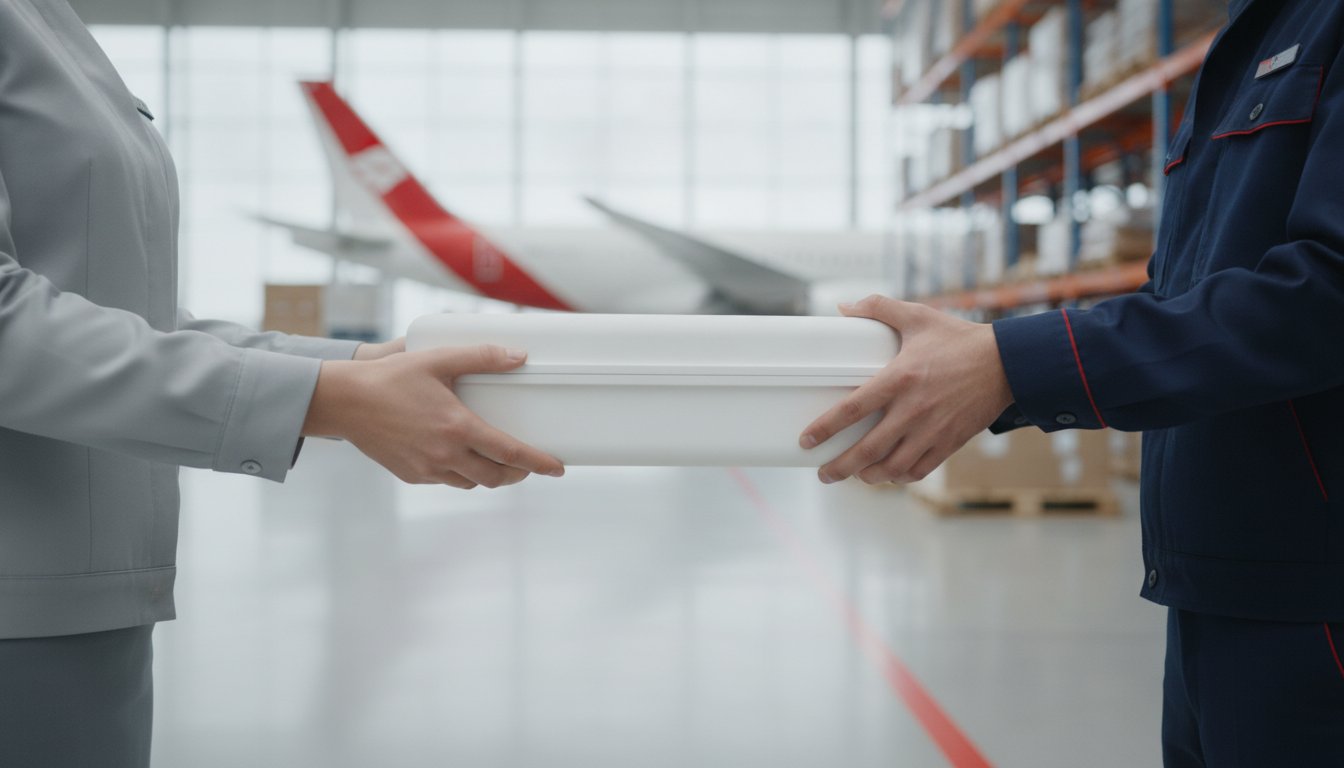
What if the final journey you plan for a loved one is halted not by grief, but by a misunderstood customs regulation or an unapproved shipping container? It is a distressing thought, yet many families find themselves overwhelmed by the intricate web of bereavement logistics for ashes when attempting to cross international borders or even domestic lines. You likely feel a heavy weight of responsibility to ensure that this transition is handled with the utmost dignity and care.
We understand that the fear of a precious urn being delayed or mishandled adds unnecessary strain to an already difficult time. This guide serves as your steady hand, offering expert insight into the complex legal requirements of 2026, such as the mandatory use of official USPS BOX-CRE packaging for all remains. You’ll gain a clear understanding of the professional chain of custody and the specific documentation needed to ensure a seamless, stress-free process. We’ll outline how to navigate airline policies and international protocols, giving you the confidence to honour your loved one’s memory without logistical uncertainty.
Key Takeaways
- Understand the vital distinction between standard courier services and specialised bereavement logistics for ashes to ensure your loved one’s remains receive the stewardship they deserve.
- Identify the three essential documents required for international transit in 2026, including the specific certifications needed for seamless UK and EU customs clearance.
- Learn how to manage the logistical complexities of splitting remains for families in different countries and securing environmental permits for global scattering ceremonies.
- Discover why a professional door-to-door chain of custody provides superior security and peace of mind compared to traditional airport-to-airport transfers.
- Gain the technical mastery and legal confidence needed to oversee a dignified, stress-free transport process that respects the personal nature of the journey.
What is Bereavement Logistics for Ashes?
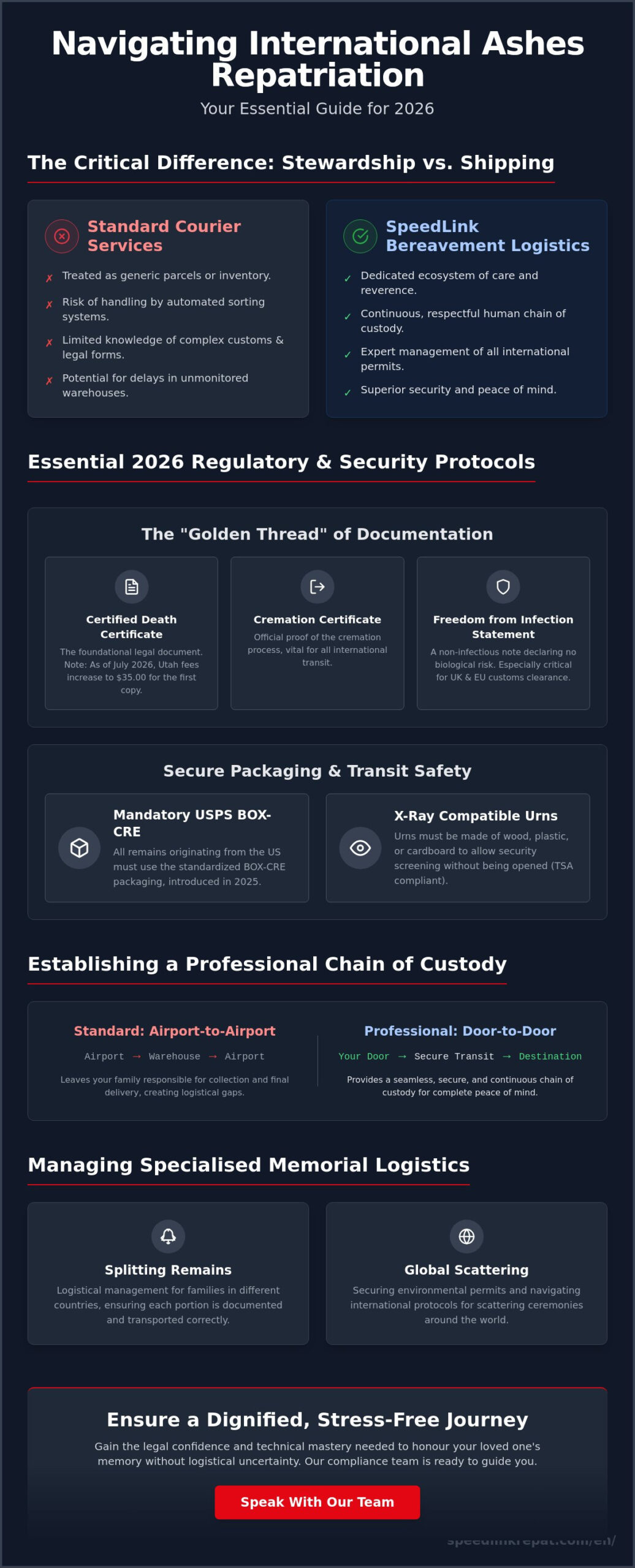
Bereavement logistics for ashes is the professional management of a loved one’s final journey across borders. It is far more than a simple delivery service; it is a dedicated ecosystem of care that ensures the physical remains are handled with reverence whilst every legal requirement is meticulously met. This specialised field bridges the gap between the technicalities of international transport and the emotional need for stewardship. Unlike standard courier services that treat parcels as inventory, a people-first approach in this sector prioritises the dignity of the deceased.
Whether families are seeking to fulfil a wish for global scattering or need to split ashes amongst relatives across different continents, these logistics provide the framework to make those complex journeys possible. By managing the physical and legal path of the remains, professionals allow families to focus on their grief rather than the anxieties of transport. It’s about ensuring that a final wish isn’t delayed by a missing permit or a logistical oversight.
The Administrative Burden: More Than Just Transport
The transition from the Cremation process to the final resting place often involves significant red tape. Bereavement logistics professionals handle the Non-Infectious Note and secure International Cremation Certificates, which are vital for crossing sovereign lines. This involves constant liaison with embassies and consulates to obtain necessary permits that a standard postal worker wouldn’t have the authority or knowledge to manage. For example, a journey from the USA to Ireland requires specific declarations that must be verified before transit begins. Bereavement logistics is the professional management of a loved one’s final journey across borders.
Why Dignity Requires Specialised Handling
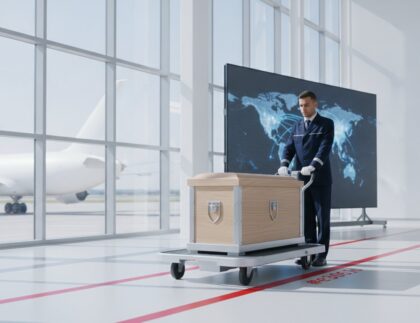
Standard postal networks rely on high-speed, automated sorting systems. These environments are entirely unsuitable for delicate urns or the sensitive nature of human remains. Specialised bereavement logistics for ashes ensures a continuous, respectful chain of custody where the remains are never left in an unmonitored warehouse or subjected to rough mechanical handling. By avoiding the risks of general freight, families gain the peace of mind that their loved one is being treated with the integrity they deserve. This methodical approach maintains a steady, patient rhythm that reflects the weight of the task at hand.
Essential Regulatory and Security Protocols for 2026
The regulatory environment surrounding bereavement logistics for ashes has become increasingly stringent in 2026. This shift ensures that every transit is documented with absolute precision, protecting both the dignity of the deceased and the legal standing of the family. Compliance begins with the mandatory “golden thread” of documentation: a certified Death Certificate, the Cremation Certificate, and a Freedom from Infection statement. For those sourcing documents in specific regions, such as Utah, be aware that as of July 1, 2026, the fee for the first certified copy of a death certificate has increased to $35.00. Additionally, any remains originating from the US must now utilise the mandatory BOX-CRE standardised packaging introduced in 2025.
Documentation and Legal Compliance
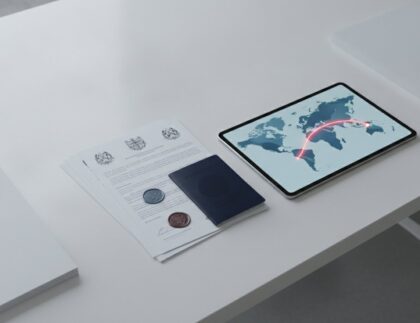
Securing the correct paperwork is the only way to avoid distressing customs delays. The Non-Infectious Note is particularly critical for UK and EU entry; it serves as a formal declaration that the remains pose no biological risk. Families should also be aware of VAT exemptions for cremated remains entering the UK, provided the correct import codes are applied. For a deeper look at global requirements, see our guide on International Ashes Shipping Regulations. If you feel unsure about these forms, you can speak with our compliance team for guidance.
Secure Storage and Transit Safety
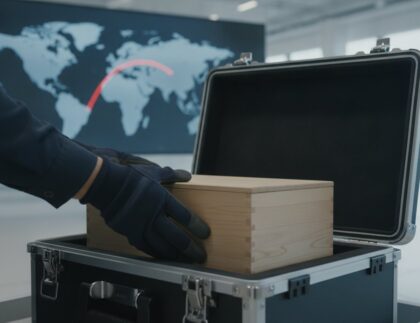
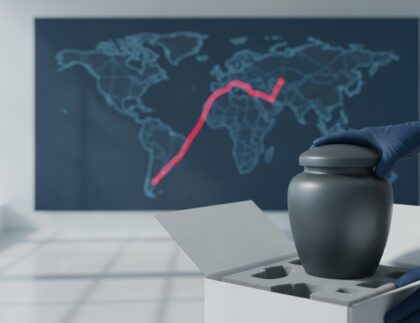
Physical safety during transit requires more than just a sturdy box. Professional bereavement logistics for ashes mandate double-containment and the use of shock-resistant materials to withstand the rigours of international travel. When flying, your choice of urn is vital; it must be made of X-ray compatible materials like wood, plastic, or cardboard. This allows security teams to verify the contents without opening the vessel, adhering to TSA regulations for traveling with ashes. Atmospheric pressure changes at high altitudes can also affect sealed containers, making professional sealing techniques essential. This is especially relevant for long-haul routes, such as our service for a Cremated remains courier USA to Ireland, where remains may move through multiple climate zones.
Managing Specialised Memorial Logistics: Splitting and Scattering
Managing the final wishes of a loved one often involves more than a single journey to one location. Bereavement logistics for ashes extends into the delicate process of splitting remains or coordinating global ceremonies across multiple jurisdictions. These specialised services ensure that your loved one’s remains are distributed or scattered according to their wishes, without compromising the legal integrity or safety of the transit. This level of stewardship requires a steady hand to bridge the gap between emotional intent and international law.
Ashes Splitting for Global Families
When families reside in different countries, splitting ashes allows each relative to maintain a personal connection. This adds significant administrative complexity. Each portion must be documented and transported with equal dignity. It is a common misconception that smaller portions require less paperwork; in reality, you may need multiple certified copies of the Cremation Certificate to satisfy customs officials in different nations. Our Professional Ashes Splitting Service Guide provides a detailed look at how we manage this sensitive task.
Global Scattering Logistics
Organising a scattering ceremony at an international landmark or in foreign waters requires meticulous planning. Local permits and environmental regulations are often strict, particularly regarding the type of urn used. For example, a Cremated remains courier Australia to France must navigate specific French laws governing the dispersal of remains in public spaces or at sea. Even when remains are split into multiple shipments, every package must adhere to the official USPS guidelines for shipping cremated remains to ensure a secure and trackable journey. Families who wish to honour a loved one at a cherished location abroad can benefit from a dedicated global ashes scattering service that manages the full scope of international regulations and local permits on their behalf.
Fulfilling these final wishes through professional bereavement logistics for ashes shouldn’t be a source of stress. If you need assistance coordinating a complex distribution or an international scattering, contact our bereavement specialists today for compassionate, expert guidance.
Establishing a Professional Chain of Custody
A professional chain of custody is the unbroken record of possession that ensures your loved one’s remains are never left unattended or processed as mere freight. In the field of bereavement logistics for ashes, this concept is the foundation of trust. Choosing a door-to-door service over an airport-to-airport transfer is often the most significant decision a family can make. Whilst airport transfers require you to navigate cargo terminals and customs halls yourself, a door-to-door service maintains a single, secure thread from the point of collection to the final destination.
This managed journey provides real-time tracking and constant status updates. You’ll always know where the remains are, which replaces the anxiety of the unknown with a sense of calm control. For funeral directors, integrating these specialised services into their own offerings allows them to provide a higher standard of care. By partnering with experts, they can offer families a seamless transition through complex hurdles. Our guide on Funeral Home Support for Ashes Customs Clearance explains how these professional collaborations protect both the practitioner and the bereaved.
Choosing a Bereavement Logistics Partner
When you’re evaluating a partner, look for proven expertise in specific international routes, such as the USA to UK corridor. The regulatory landscape is too complex for general couriers who lack a “people-first” philosophy. You need a team that combines technical mastery of customs law with deep emotional intelligence. Transparent communication is vital; you should feel like you’re speaking with a steady hand who understands the weight of their responsibility. Reliability isn’t just about speed. It’s about the integrity of the process.
Final Steps: Ensuring a Dignified Arrival
The final mile of the journey is just as critical as the first. Whether the remains are being delivered to a private residence or a local funeral director for a service, the arrival must be handled with quiet dignity. Professional bereavement logistics for ashes includes post-transit support to verify that the delivery was completed securely and that all documentation has been finalised. This methodical approach ensures that no detail is overlooked at the finish line. Ultimately, the goal of bereavement logistics is to remove the burden of ‘how’ so families can focus on ‘who’ they are honouring.
Securing a Dignified Final Journey
You now have the technical knowledge to navigate the 2026 regulatory landscape with confidence. By prioritising a professional chain of custody and ensuring all documentation is meticulously prepared, you can protect the integrity of your loved one’s remains. Whether you’re splitting ashes for a global family or organising a scattering abroad, the right framework ensures every detail is handled with stewardship and care. This structured approach allows you to replace anxiety with a sense of calm and order.
Managing bereavement logistics for ashes shouldn’t be a journey you take alone. We provide a specialised USA to UK door-to-door service backed by dedicated customs clearance expertise. Our empathetic, people-first approach ensures that the technicalities of transport never overshadow the personal nature of your task. Speak with a bereavement logistics expert at SpeedLink Repatriation to begin this process with professional clarity and support. You’ve taken the first step toward a peaceful resolution; let us help you carry the rest of the burden with the respect it deserves.
Frequently Asked Questions
What is the difference between an ashes courier and a standard delivery service?
An ashes courier provides a dedicated chain of custody and specialised handling that standard delivery services cannot offer. Whilst standard couriers treat items as general freight and rely on automated sorting, a professional logistics provider understands the emotional weight of the journey. This specialised approach ensures that your loved one is never treated as inventory but as a person deserving of stewardship, dignity, and personal attention throughout transit.
Can I legally split a loved one’s ashes to be sent to different countries?
It is entirely legal to split a loved one’s ashes for transport to different countries, provided each portion is accompanied by the correct documentation. Each separate container typically requires its own certified copy of the Cremation Certificate to satisfy customs officials in the destination nation. This process allows families to share memories globally whilst remaining in full compliance with international bereavement logistics for ashes and local health regulations.
What documents are mandatory for international bereavement logistics in 2026?
In 2026, the three mandatory documents for international transit are the certified Death Certificate, the Cremation Certificate, and the Freedom from Infection statement. You must also ensure the remains are in an X-ray compatible urn to meet security protocols. If you are shipping from the US, remember that as of 2025, the official USPS BOX-CRE packaging is mandatory for all cremated remains to ensure tracking and visibility throughout the process.
How are ashes packaged to ensure they are not damaged during transit?
Ashes are secured using a professional double-containment method that utilises shock-resistant materials to withstand the rigours of international travel. The inner vessel is placed within a secondary, durable outer layer that is then sealed to prevent any leakage or shifting. This methodical packaging protocol ensures that the urn remains protected from atmospheric pressure changes and mechanical handling, maintaining the physical integrity of the remains from collection to final arrival.
Do I need to involve a funeral director for international ashes transport?
You aren’t legally required to involve a funeral director for the transport itself, but partnering with a specialist in bereavement logistics for ashes is highly recommended. Whilst funeral directors handle the initial cremation, they often lack the technical mastery of international customs law and courier networks. A dedicated repatriation expert takes the administrative burden off your shoulders, liaising with embassies and managing the complex chain of custody to ensure a seamless journey.

Article by
David McMillen
I started my career in logistics over 30 years ago which has spanned 2 continents and several different types of courier and logistics operations. I lost my dear Mum back in 2016 and it was in the aftermath of her passing that SpeedLink Repatriation was born. We have endeavoured to bring the same care and attention to all of our clients as my mum received and to date we have helped repatriate hundreds of individuals across the globe.