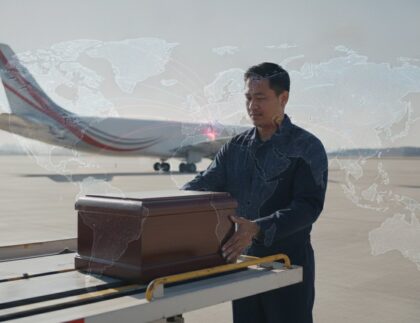
What if the most stressful part of a final farewell isn’t the ceremony itself, but the silent, technical journey of bringing your loved one’s remains across a border? Many families assume that posting an urn is a simple transaction; however, the reality involves a complex weave of international regulations and bespoke logistics. Understanding the international ashes shipping cost is about more than just a price tag. It’s about ensuring a journey of dignity, security, and total legal compliance.
It’s completely natural to feel anxious about hidden customs fees or the safety of such a precious cargo, especially whilst you’re trying to decipher the difference between ‘repatriation’ and ‘shipping’. We promise to provide you with a transparent breakdown of the factors influencing these costs in 2026, giving you the confidence to make the right choices for your family. This guide explores the latest mandatory packaging requirements, the benefits of specialised courier support, and the essential documentation needed to avoid distressing legal delays at international customs checkpoints.
Key Takeaways
- Recognise that international repatriation is a specialised logistical service rather than standard cargo, ensuring every journey is handled with the utmost dignity.
- Understand how route complexity and the choice between dedicated couriers and standard air freight impact the overall international ashes shipping cost.
- Navigate the complexities of mandatory documentation and consular legalisation fees to ensure a smooth transition through international customs.
- Learn why a transparent, fixed-price quote is essential for secure budgeting and how to use a professional selection checklist to vet your provider.
Understanding the Variables of International Ashes Shipping Cost in 2026
When families begin researching the international ashes shipping cost, they often encounter a wide range of figures. This isn’t because the industry is opaque, but because transporting cremated remains is a specialised logistical service rather than standard freight. Unlike a typical parcel, these remains represent a person’s life and legacy. As modern cremation practices have evolved globally, so too have the strict regulations governing their movement across borders. A reputable specialist doesn’t just move an object; they provide a “dignity premium” that ensures every step is handled with profound respect and legal precision.
Transparency is the hallmark of a professional repatriation expert. You should expect a quote that reflects the complexity of transport, documentation, and regulatory compliance. Whilst prices vary based on the destination, the focus should always be on security. Choosing a provider who prioritises people over purely transactional logistics ensures that your loved one’s final journey is managed with the integrity it deserves.
Repatriation vs. Standard Shipping: Why the Distinction Matters
The term ‘shipping’ suggests a purely transactional process. Repatriation, however, involves full legal stewardship. Whilst a standard courier might leave a package in a sorting hub, a bereavement logistics provider maintains a constant chain of custody. This ensures that remains are never ‘lost in the system’. For complex routes, such as USA to Ireland, this stewardship includes managing specific airline requirements and embassy protocols that general carriers often ignore.
The Core Components of a Repatriation Quote
A transparent quote should never be a single, vague number. It’s typically built from several distinct pillars:
- Collection and Professional Packaging: Vital for preventing transit damage and ensuring compliance with international air travel standards.
- Transit Fees: Calculated based on the specific route, distance, and the required speed of delivery.
- Customs Clearance: Handling the technical paperwork to ensure the remains aren’t held at the border.
- Final Delivery: The final, respectful handover at the destination.
By breaking down the international ashes shipping cost this way, providers offer families the clarity and control they need during a difficult time. It removes the fear of hidden fees and allows you to focus on the personal aspects of your farewell.
Primary Cost Drivers: Specialist Courier vs. Standard Air Freight
Selecting the right transit method is the most significant factor in your total international ashes shipping cost. Whilst standard air freight might appear cost-efficient initially, it often lacks the end-to-end security provided by a dedicated door-to-door courier. When Transporting by Air, remains are typically treated as specialised cargo. A dedicated courier service provides a “human-centric” approach, ensuring the remains are never left unattended in a cargo terminal or warehouse. This higher level of stewardship carries a premium, but it eliminates the risk of your loved one being treated as a mere commodity.
Opting for the “cheapest” available route can often lead to significantly higher long-term costs. Inadequate documentation or improper packaging can trigger customs delays that incur daily storage fees at the destination airport. These technical hurdles can be distressing and expensive to resolve from a distance. Choosing a partner who understands these nuances ensures the process remains dignified and efficient from the start. If you are uncertain which method suits your family’s needs, discussing your specific route requirements with an expert can provide much-needed clarity.
Urn size and packaging also play a role through ‘volumetric weight’ calculations. Logistics providers don’t just look at the physical weight; they consider the space the package occupies. A large, ornate urn requiring extensive protective crating will naturally increase the price compared to a compact, travel-ready container. Balancing the need for protection with the dimensions of the final package is a key step in budgeting accurately.
Transatlantic and Global Route Variations
The complexity of the journey itself dictates much of the final fee. Routes such as USA to Italy or USA to Ireland are governed by specific bilateral agreements that influence how remains are processed. Local airport handling charges and “terminal in” fees at the destination centre can fluctuate based on local economic conditions and specific airline policies. These regional variables mean that a quote for one country may differ significantly from another, even if the flight distance is similar.
Urgency and Lead Times
Time is a critical variable in bereavement logistics. A scheduled repatriation, planned several weeks in advance, allows for more economical transport options. Conversely, ‘express’ services required for an upcoming ceremony will naturally command a higher fee. We often advise families that planning ahead, where possible, is the most effective way to reduce the overall international ashes shipping cost without compromising on the quality of care or security.

Navigating Documentation and Regulatory Fees
Beyond the physical transit discussed previously, a significant portion of the international ashes shipping cost is tied to mandatory legal compliance. This administrative layer is often where families encounter the most confusion. Every country maintains its own set of requirements for the entry of cremated remains. At a minimum, you’ll need a certified Death Certificate and a Cremation Certificate. Many nations also require these documents to be legalised or apostilled to prove their authenticity to foreign officials.
Consular fees represent a common secondary expense. Some consulates charge for the formal oversight and stamping of repatriation paperwork. This process ensures that when the remains arrive at the border, they’re cleared without delay. Because these requirements are subject to change, we recommend referencing the International Ashes Shipping Regulations guide to see the specific 2026 mandates for your destination.
Customs Duties and Import Taxes
Whilst human remains are generally exempt from standard customs duties, the process of importation often involves administrative handling fees. Specialist customs brokers play a vital role here; they understand how to apply for bereavement exemptions that non-specialist couriers might overlook. Failing to use an expert can result in the remains being treated as general merchandise. This leads to unnecessary taxes and distressing delays. If you’re feeling overwhelmed by the paperwork, you can request a comprehensive documentation review from our team to ensure every detail is in order.
Specialised Services: Splitting and Scattering
Additional bespoke requirements can also influence the final budget. For instance, an Ashes Splitting Service allows families to keep a portion of the remains whilst sending the rest abroad. This adds logistical complexity. Each portion may require its own set of certified documents to pass through customs safely. Similarly, coordinating global scattering ceremonies involves local permits and third-party fees at the destination. These services require meticulous coordination to ensure that every local law is respected, reflecting our commitment to a human-centric approach.
Budgeting for Peace of Mind: Choosing the Right Partner
Selecting a repatriation partner is the final, most crucial step in managing the international ashes shipping cost. Many families are lured by low initial estimates that inevitably grow as hidden fees for “handling” or “administration” emerge. A fixed-price, transparent quote is the only way to ensure financial predictability during such a sensitive time. We strongly encourage families to use our Essential Selection Checklist to vet potential providers thoroughly. Real-time tracking and a single, dedicated point of contact aren’t just technical features; they’re vital tools for reducing emotional stress. By prioritising specialists who focus exclusively on bereavement logistics, such as SpeedLink Repatriation, you ensure your loved one’s journey is managed with technical mastery and profound empathy.
What to Ask Before You Book
Before committing to a service, it’s vital to clarify exactly what the quoted fee covers. Not all providers operate with the same level of transparency. We recommend asking these specific financial questions to avoid unexpected costs:
- Are all consular legalisation and embassy fees included in this quote?
- Is professional packaging and crating provided as part of the service, or is it an additional charge?
- Does the price cover end-to-end, door-to-door delivery, or just transit to the destination airport’s cargo centre?
- What is your protocol for managing and paying for unexpected customs storage fees?
Next Steps for a Dignified Journey
Initiating a quote is a straightforward process that begins with a simple conversation. To calculate a precise international ashes shipping cost, a specialist will need the origin location, the final destination, and the approximate weight of the remains. This information allows us to build a tailored plan that respects both your budget and your loved one’s legacy. It’s often the first step towards finding a sense of order in a complex situation. If you’re ready to move forward, our compassionate experts are available to provide a detailed cost breakdown and the steady guidance you need to ensure a dignified final journey.
Secure a Dignified Journey for Your Loved One
Bringing a loved one home is a journey defined by respect, and budgeting for that journey shouldn’t add to your burden. We’ve explored how the international ashes shipping cost is influenced by more than just distance. It’s a reflection of technical precision, legal compliance, and the security of a dedicated chain of custody. By choosing a partner who understands the nuances of customs exemptions and mandatory packaging, you avoid the hidden fees and delays that often accompany general freight services.
As a specialist division of SpeedLink Transport, established in 2003, we focus exclusively on cremated remains logistics. Our team brings particular expertise to complex USA-UK transatlantic repatriations, ensuring every legal requirement is met with care. You don’t have to navigate these logistical hurdles alone. Whether you’re at the start of your journey or ready to finalise arrangements, we’re here to provide the steady hand and transparent guidance you deserve.
Request a Transparent, Dignified Repatriation Quote
Take the next step with confidence, knowing your loved one’s final journey is in safe, professional hands.
Frequently Asked Questions
Is it cheaper to fly with ashes as carry-on luggage?
Flying with remains as carry-on luggage is often the most economical choice because it avoids freight charges entirely. However, you must use an X-ray friendly urn made of wood or plastic to pass through security checkpoints. Whilst it saves on the international ashes shipping cost, it places the full burden of legal documentation and airline compliance on the family. You’ll still need to carry original death and cremation certificates to satisfy both airport security and destination customs.
Does the type of urn affect the international shipping cost?
The material and size of the urn significantly impact the final price through volumetric weight calculations. Heavier or larger urns require more robust protective packaging, which increases the dimensions of the parcel and the subsequent transit fee. Fragile materials like ceramic or glass may also require specialised crating services to ensure safety during flight. Choosing a compact, durable travel container is a practical way to keep the international ashes shipping cost more manageable.
Are there hidden taxes when shipping ashes from the USA to the UK?
There are typically no import duties or VAT applied to the remains themselves when shipping from the USA to the UK. However, costs often arise from administrative handling fees at the UK border or port of entry. Using a non-specialist carrier can lead to remains being misclassified as general cargo, which might trigger unnecessary tax assessments. A specialised repatriation partner ensures the correct bereavement exemptions are applied to avoid these distressing financial surprises.
How much does the required documentation usually cost?
Documentation costs vary depending on the local jurisdiction and whether the destination country requires an apostille or consular legalisation. You’ll need to budget for certified copies of the Death Certificate and the Cremation Certificate from the funeral director or local registrar. Consular fees for formal document authentication can also apply depending on the bilateral agreements in place. Whilst these administrative fees are separate from transit charges, they’re essential components of a realistic repatriation budget.
Can I save money by using a standard global courier like DHL or FedEx?

Article by
David McMillen
I started my career in logistics over 30 years ago which has spanned 2 continents and several different types of courier and logistics operations. I lost my dear Mum back in 2016 and it was in the aftermath of her passing that SpeedLink Repatriation was born. We have endeavoured to bring the same care and attention to all of our clients as my mum received and to date we have helped repatriate hundreds of individuals across the globe.