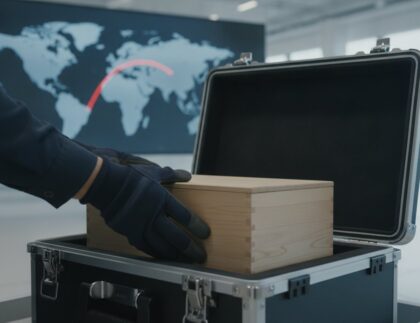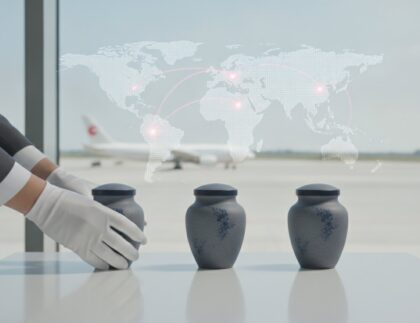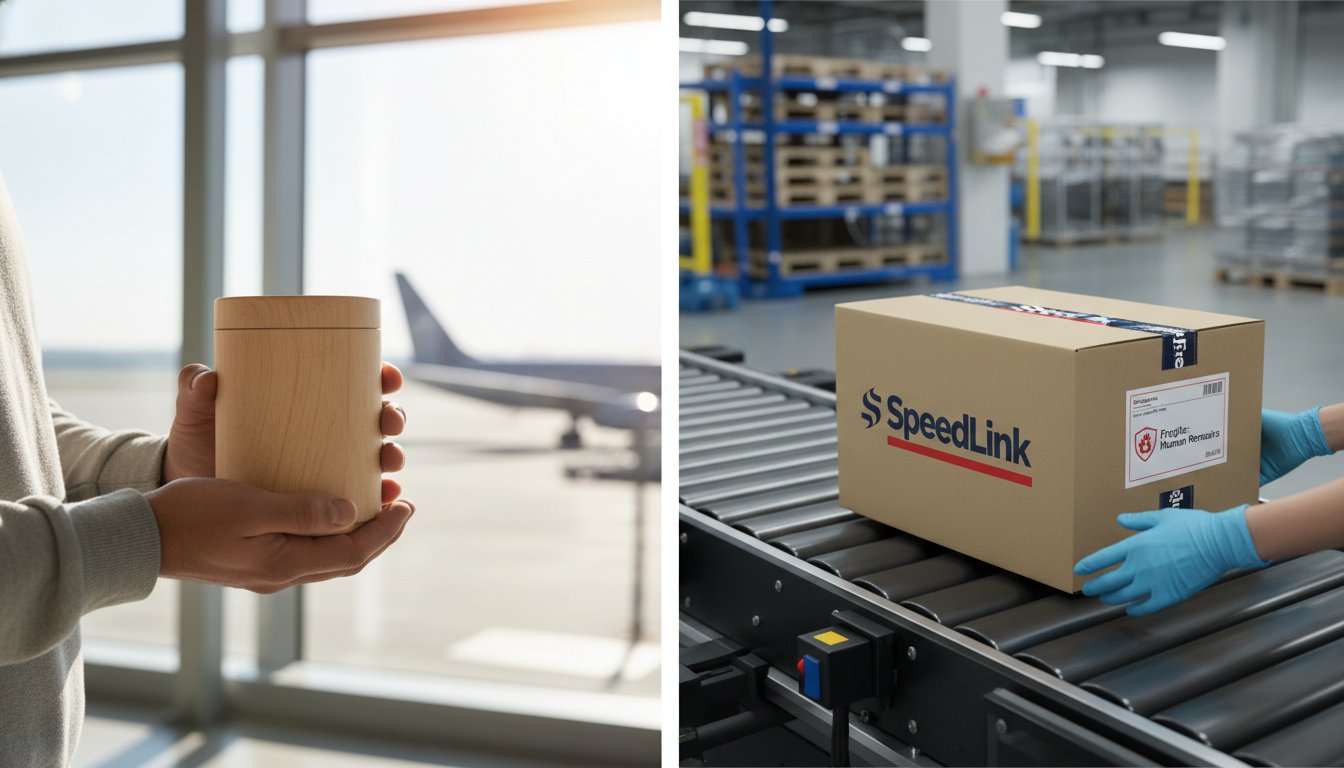
Carrying your loved one’s remains through airport security might feel like the most personal choice, but it often becomes the most distressing part of the journey. When weighing up the merits of flying with ashes vs shipping ashes, the decision rests on a delicate balance between physical proximity and the certainty of professional oversight. It’s natural to feel protective and anxious, especially with the fear of an urn being opened by security or a container being misplaced. Whilst you want to maintain a sense of closeness, the logistical hurdles of 2026 travel can be overwhelming.
We’re here to provide the clarity and control you need during this sensitive time. This guide will help you discover the most secure and legally compliant way to transport your loved one’s remains, whether you choose to carry them personally or use a specialist courier. We’ll provide a clear comparison of risks and benefits, alongside a step-by-step packaging checklist. By reviewing the latest airline scannable container rules and the mandatory 2025 USPS BOX-CRE requirements, you’ll gain the confidence to ensure this final journey is handled with the dignity it deserves.
Key Takeaways
- Evaluate the emotional and logistical trade-offs when deciding between flying with ashes vs shipping ashes to ensure the journey remains dignified and stress-free.
- Identify the specific container materials required to pass through airport X-ray scanners without the need for security to open the urn.
- Follow a professional packaging checklist that utilises sift-proof liners and impact-resistant containers to maintain the integrity of the remains.
- Discover how specialist couriers navigate international customs and mandatory labelling requirements that standard postal services often cannot accommodate.
- Gain clarity on current airline policies to avoid unexpected delays or complications amongst the crowds at the airport.
Flying with Ashes vs Shipping Ashes: A Decision Framework
Deciding between flying with ashes vs shipping ashes is rarely just a matter of cost. It’s a choice between the comfort of physical proximity and the security of professional oversight. Whilst many feel a deep need to keep their loved one close, the reality of modern air travel often introduces unnecessary stress during an already difficult period. Grieving amongst airport crowds whilst managing complex airline policies can feel intrusive and emotionally draining. Professional transit offers a different path, prioritising a secure chain of custody over personal carriage.
The Emotional Weight of Hand-Carrying
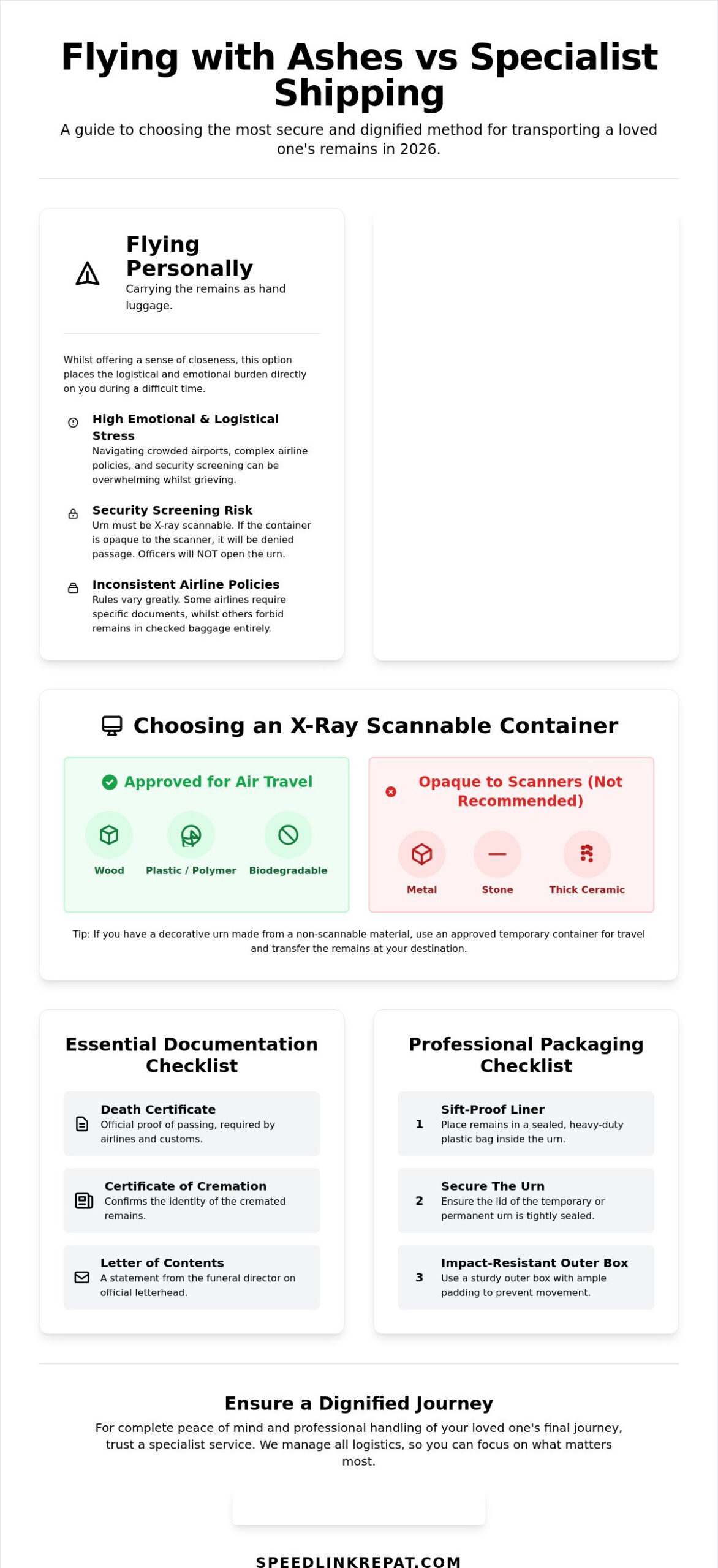
Navigating airport security requires a specific mindset and preparation. You must ensure the urn is made of X-rayable material, as TSA officers won’t open a container even if you ask them to. This technical requirement often forces families to purchase temporary, travel-specific vessels. The Cremation process results in remains that are dense; if the scanner cannot see through the container, you may be denied boarding. For many, the risk of a public inspection or a security delay is too much to bear. Many families prefer the “quiet dignity” of a professional service, allowing them to travel unburdened by logistical anxiety.
Logistical Security and Chain of Custody
Professional cremated remains courier services provide a level of certainty that standard airlines often cannot match. When you ship remains via a specialist, you aren’t just sending a package. You’re establishing a documented journey where every hand-off is recorded. This is particularly vital for complex international routes where multiple flight transfers increase the risk of luggage being misrouted or delayed.
- Customs Expertise: Dedicated professionals manage customs clearance on your behalf, navigating the specific permits required by different nations.
- Impact Resistance: Specialist couriers use packaging designed to withstand the rigours of global transit, far exceeding the protection of a standard carry-on bag.
- Reliability: Professional services bypass the restrictions of standard couriers like DHL or FedEx, which often refuse to carry human remains.
Whilst flying offers the feeling of staying together, shipping provides a legal and logistical buffer. It protects the remains from the unpredictability of airport security and ensures that your loved one’s journey is handled by those who understand the gravity of the task.
The Realities of Flying with Cremated Remains
Choosing to fly with a loved one’s remains is a deeply personal decision that places the responsibility of transport directly in your hands. Whilst it offers a sense of closeness, you must navigate a patchwork of airline-specific requirements that have become increasingly standardised in 2026. Delta and United, for example, require a cremation certificate for travel, whereas Southwest Airlines strictly forbids remains in checked baggage, insisting they stay with you in the cabin. Understanding these nuances is a vital part of the debate between flying with ashes vs shipping ashes.
Security screening remains the primary hurdle for families. The TSA guidelines for flying with ashes state clearly that officers will not open an urn under any circumstances. If the container’s material prevents a clear X-ray image, the remains will be denied passage. Approaching the checkpoint with transparency and patience ensures a more respectful interaction with security staff. It’s helpful to inform the agent of the urn’s presence before your bags enter the scanner to ensure they handle the process with the necessary decorum.
Choosing an X-Ray Friendly Urn
The material of your urn is the single most important factor for a smooth airport experience. Metal, stone, and certain thick ceramics are often opaque to scanners, leading to delays or rejection at the gate. Instead, opt for containers made from wood, high-density plastic, or biodegradable polymers. These materials allow for a clear scan whilst maintaining the necessary durability for travel. If you have a decorative metal urn, consider using a temporary scannable vessel for the flight and transferring the remains once you reach your destination.
Essential Documentation for the Cabin
Whilst security agents may not always ask for paperwork, airline staff and international customs officials frequently do. Organise your Death Certificate and Cremation Certificate in a waterproof, easily accessible folder within your hand luggage. It’s also wise to include a “Letter of Contents” from your funeral director on official letterhead. This document serves as a formal declaration for flight crews and helps avoid confusion during boarding. If the complexity of these requirements feels like an added burden during your time of grief, a professional consultation can help clarify your options.
Professional Checklist: How to Package Ashes for Shipping
Packaging remains for global transit is a methodical process that demands precision. Whilst the emotional burden of flying with ashes vs shipping ashes is a significant factor, the physical security of the remains depends entirely on structural integrity. For those shipping within or from the United States, adhering to the USPS rules for shipping ashes is mandatory. As of 2025, this includes the compulsory use of official BOX-CRE shipping kits for all domestic and international postal movements. For international routes handled by private couriers, even stricter standards apply. Families who want a comprehensive overview of the full process can find detailed guidance in our dedicated resource on how to ship human ashes across international borders in 2026, which covers mandatory packaging standards and the specific documents required by global consulates.
- Step 1: Place the remains into a sift-proof, heavy-duty inner liner with a minimum 2-mil thickness. Secure this with a heat-sealed closure or a heavy-duty cable tie to prevent any leakage.
- Step 2: Insert the liner into a primary container that is impact-resistant and durable, such as a high-density polymer or metal travel urn.
- Step 3: Use the “Box-in-Box” method. Place your primary container inside a new, double-walled corrugated cardboard box. This outer box should then be placed inside a second, larger double-walled box for maximum protection.
- Step 4: Fill all voids with high-density cushioning, such as specialist foam or expanded polystyrene, to ensure the internal container cannot shift or tumble during transit.
Selecting Sift-Proof Materials
Standard domestic bags aren’t sufficient for the rigours of international repatriation. When remains cross borders, they’re handled by various customs agents and logistics staff amongst many other parcels. You should verify the “burst-test” or Edge Crush Test (ECT) rating of your outer packaging. A box rated for at least 200 lbs per square inch is generally required to withstand the pressure of stacked cargo in an aircraft hold.
Approved Containers for Transit
Ensuring your vessel meets the latest regulatory standards is essential for a smooth journey. You can consult our guide on professional ashes packaging for secure international transit to ensure compliance with both airline and courier requirements. Centring the weight of the urn amongst the padding is a critical step; if the weight is lopsided, the box is more likely to be damaged during handling. If you feel overwhelmed by these technical requirements, our specialist team is available to provide professional packaging and bereavement logistics support.
Navigating International Regulations and Specialist Couriers
Crossing international borders adds a layer of bureaucratic complexity that often tips the scales when families consider flying with ashes vs shipping ashes. Whilst a passenger might hope for a smooth transit through customs, professional couriers utilise a structured framework to ensure compliance with global health and safety laws. Standard carriers like DHL or FedEx typically prohibit the transport of human remains in their terms of service. This leaves families to rely on specialised bereavement logistics providers who understand the specific requirements of the destination country and maintain the necessary authority to move sensitive cargo.
Effective labelling is the first line of defence against delays. Every package must be clearly marked as “Human Remains (Cremated)” to ensure it is handled with the appropriate level of stewardship. For complex routes, such as USA to Ireland or Australia to Europe, we manage the entire chain of custody. This includes coordinating with the “Consignee”, the designated recipient such as a local funeral home or family residence. The consignee acts as the legal anchor for the shipment, providing a verified point of contact for customs officials and ensuring a dignified final delivery.
Mandatory Paperwork for 2026 Repatriation
Compliance in 2026 requires more than just a simple death certificate. Most nations demand certified copies of both the Death and Cremation Certificates, which must be apostilled or translated depending on the destination. You’ll also need a “Non-Infectious Disease” letter from the crematorium or a health authority. This document confirms the remains pose no risk to public health, which is a critical requirement for entering many EU territories and avoiding lengthy quarantine holds at the border.
The SpeedLink Advantage in Bereavement Logistics
Our door-to-door solutions provide a seamless alternative to the stress of flying with remains, removing the burden of customs clearance from your shoulders. Our international ashes courier services are built upon a “people-first” philosophy that treats every transit not as a shipment of freight, but as the final, sacred journey of a loved one. For those seeking comprehensive support, our International Ashes Repatriation Pillar offers detailed guidance on every stage of the process, ensuring your loved one returns home with the respect they deserve.
Ensuring a Dignified Final Journey
Choosing the right path for your loved one’s remains involves balancing the desire for proximity with the need for logistical certainty. You’ve seen how scannable urns and meticulous documentation are vital for air travel, whilst professional ashes packaging and a secure chain of custody define successful shipping. Deciding on flying with ashes vs shipping ashes doesn’t have to be a solitary burden during a time of grief. Our role is to provide the technical mastery and emotional intelligence required to navigate these complex global rules.
Since 2003, we’ve specialised in bereavement logistics, offering a door-to-door secure courier service that prioritises integrity and transparency. We provide expert customs clearance for the USA, UK, and Europe, ensuring that every legal requirement is met without adding to your distress. If you’re ready to arrange a protected transit, please Request a Dignified Quote for International Ashes Transport. You can rest assured that your loved one’s journey will be handled with the profound respect and professional composure it deserves.
Frequently Asked Questions
Can I send ashes through DHL or other standard international couriers?
Most standard international couriers, including DHL, FedEx, and UPS, strictly prohibit the transport of human remains in their terms of service. These items are classified as restricted cargo that requires specific legal authority and specialised handling. To ensure a secure and compliant journey, you must use a dedicated bereavement courier who is authorised to manage the sensitive logistics and customs requirements associated with cremated remains.
What happens if the airport security X-ray cannot see through the urn?
If the security scanner cannot produce a clear image of the container’s contents, the remains will be denied passage through the checkpoint. Security officers are not permitted to open the urn, even if you provide consent. When families weigh up the merits of flying with ashes vs shipping ashes, the risk of a security rejection is a significant concern, as it can lead to distressing delays or the inability to board your flight.
Do I need a special permit to fly with ashes to the UK?
You don’t need a specific permit to enter the UK with cremated remains, but you must carry the original Death Certificate and the Cremation Certificate. It’s also essential to check the individual policy of your airline, as some carriers require advance notice or specific labelling. For international arrivals, having a “Non-Infectious Disease” letter from the crematorium can help satisfy customs officials and ensure a respectful entry process.
How much does it typically cost to ship ashes professionally compared to flying?
The cost of professional shipping depends on the destination and the complexity of the customs paperwork required for that specific route. Whilst flying with remains as hand luggage might appear to be a more economical choice, you should consider the potential costs of travel-specific urns and the emotional stress of managing security checkpoints. Professional courier services provide a comprehensive door-to-door solution, including expert customs clearance and a guaranteed chain of custody.
What is the “sift-proof” requirement for packaging cremated remains?
A sift-proof requirement means the remains must be sealed in a container that prevents any fine dust or particles from escaping during transit. This is typically achieved by placing the ashes in a heavy-duty, puncture-resistant inner liner that is heat-sealed or secured with a robust cable tie. This standard is mandatory for both airlines and courier services to ensure the remains are transported safely and with the dignity they deserve.

Article by
David McMillen
I started my career in logistics over 30 years ago which has spanned 2 continents and several different types of courier and logistics operations. I lost my dear Mum back in 2016 and it was in the aftermath of her passing that SpeedLink Repatriation was born. We have endeavoured to bring the same care and attention to all of our clients as my mum received and to date we have helped repatriate hundreds of individuals across the globe.
Disclaimer
International requirements for cremated remains vary by origin, destination, carrier and method of transport and may change without notice.
Content is provided as general guidance and should not be treated as legal advice.
Where necessary, current requirements should be confirmed with the relevant government authority, customs authority, embassy, consulate, postal operator, airline or carrier.
SpeedLink can advise on the requirements applicable to a specific shipment.